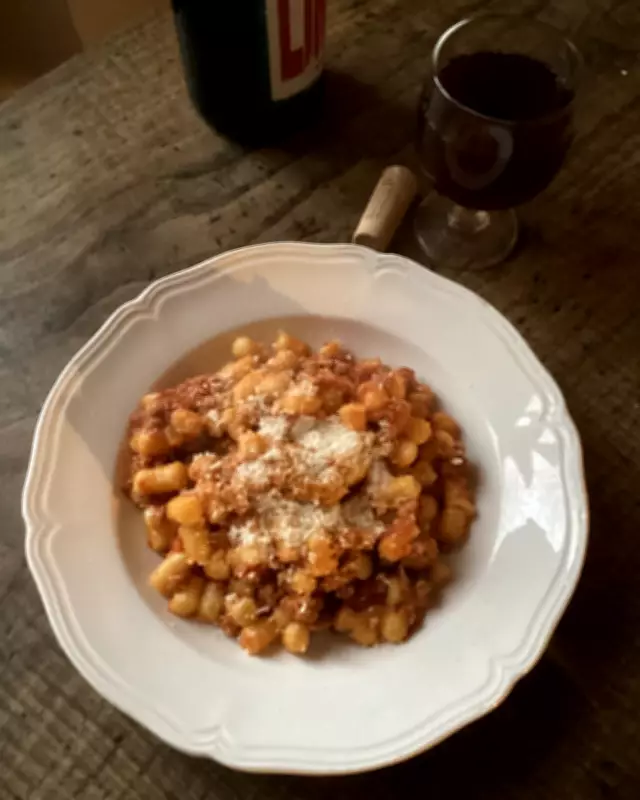
In the heart of Rome's Testaccio market, steam rises from a small kitchen, carrying the enticing aromas of onions, beans, and braised meats. This is where chef Leonardo Cioni crafts traditional Tuscan dishes at Sicché Roba Toscana, a stall that has become a local favourite for its authentic flavours. Among the daily offerings, one dish stands out: a dense, succulent pork ragu that inspired food writer Rachel Roddy to create her own version, perfect for pairing with potato gnocchi or fresh pasta.
The Inspiration Behind the Dish
Rachel Roddy's recipe draws directly from the culinary artistry found in box 37 of the market. Leonardo Cioni, a chef hailing from San Giovanni Valdarno in Tuscany, has been running this stall for over three years, specialising in hearty, slow-cooked meals. His menu always features a selection of bean dishes, legume soups, and long-braised stews, but it was his ragu di capocollo that particularly captivated Roddy. Served on small potato gnocchi, this dish boasts a rich, red-tinted sauce with an oily halo, a testament to its careful preparation and quality ingredients.
Key Ingredients for Success
The secret to this ragu's succulence lies in the choice of meat. Capocollo, also known as pork neck or collar, is prized for its generous marbling of fat, which melts during cooking to create a tender, flavourful sauce. Roddy emphasises that this marbled combination of flesh and fat is essential, allowing the ragu to stand up to robust herbs like bay, sage, and rosemary. Unlike some versions that use whole joints of meat, this recipe calls for minced pork, which provides a pleasing texture that clings beautifully to gnocchi or pasta.

For those unable to find capocollo, a mix of leaner cuts with back bacon can work well, as long as there is ample fat to enrich the sauce. The recipe also includes a base of onions, dry white wine, and tinned tomatoes, simmered gently for two hours to develop depth and complexity.
How to Make Pork Ragu with Herbs
This recipe serves four and requires simple, accessible ingredients. Begin by frying 400g of well-marbled pork mince in olive oil over a medium-low heat until it loses its pinkness. Add a finely diced onion, along with bay leaves, sage, and both minced and whole rosemary sprigs, cooking until the onion turns translucent.
Pour in a small glass of dry white wine, letting it bubble briefly before adding crushed plum tomatoes, tomato concentrate, and a pinch of salt. Half-cover the pan and simmer gently for two hours, stirring occasionally and adding warm water if the sauce becomes too dry. The result should be a dense, succulent ragu with a glossy, oily surface.
Serving Suggestions
While the ragu simmers, cook 500g of potato gnocchi or fresh pappardelle in well-salted boiling water. Drain and toss with a spoonful of grated parmesan or grana padano, then mix in half of the ragu. Divide among plates, topping with more sauce and cheese if desired. This dish embodies the warmth and tradition of Italian home cooking, making it ideal for a comforting family meal or a special dinner with friends.
Rachel Roddy's adaptation not only honours the Tuscan roots of the original but also offers a practical approach for home cooks seeking to recreate the magic of a Roman market stall in their own kitchens.