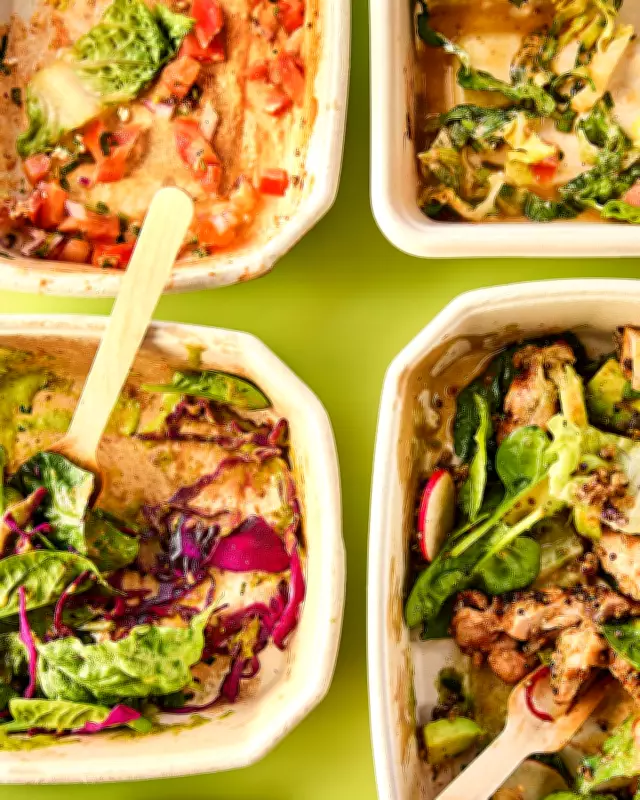
The Rise of the 'Slop Bowl' in Modern Work Culture
In the bustling food courts of London's financial districts, such as Canary Wharf, a new lunchtime ritual has taken hold. Suited professionals and Deliveroo riders alike are often seen carrying large bowls filled with a mishmash of ingredients—commonly referred to as "slop bowls." This phenomenon represents a significant shift in how people eat during the workday, blending convenience, customization, and health trends into a single, often messy, meal.
What Exactly Is a Slop Bowl?
A slop bowl is essentially a customizable dish served in fast-casual restaurants, where customers select from a variety of bases, proteins, vegetables, and toppings. Typically featuring Asian or Eastern Mediterranean influences, these bowls are assembled on the spot and designed for takeaway. The name "slop" derives from the sound the food makes when it hits the bowl and its tendency to become a homogeneous mixture by the time it reaches the desk. Prices can range from £7 to £25, depending on additions, making them as customizable as an Ikea shelving unit.
Chains like Atis, Farmer J, The Salad Project, and Build a Bowl have popularized this format. The process usually starts with a base of leaves or grains, followed by vegetables, a protein such as salmon or tofu, and finishes with crunchy toppings, pickled items, and optional dressings. Despite the unappetizing name, these bowls have gained traction, especially among busy professionals seeking quick, nutritious options.

The Cultural and Historical Context
The term "slop" gained prominence in 2023 when Merriam-Webster named it the word of the year, reflecting its use online to describe both AI-generated content and this food trend. Historically, one-bowl meals are not new; food historians like Dr. Annie Gray point to medieval dishes like potage or mutton stew as precursors. However, the modern slop bowl is a turbocharged version of fusion cooking from the 1990s, repackaged for a health-conscious generation.
According to Dr. Eleanor Barnett, author of Leftovers: A History of Food Waste and Preservation, mixed bowls of protein, grains, and vegetables date back to the start of human civilization. In medieval England, cook shops served pre-made food in pie crusts that acted as edible bowls. The key difference today is the solitary eating experience—slop bowls are often consumed alone at a desk, rather than shared communally.
Drivers Behind the Trend
Several factors contribute to the rise of slop bowls. Health and wellness trends are primary motivators, with a focus on plant-forward eating and minimizing ultra-processed foods. Alex Ruani, a researcher at UCL, notes that slop culture appeals to time-pressed individuals, such as working parents, who seek nutritious meals without the effort of cooking from scratch.
The pandemic accelerated this trend, as Deliveroo became a household name and the restaurant industry adapted to new demands. Slop bowls offer a pragmatic solution for a hospitality sector in crisis, providing an illusion of choice through assembly-line service. Additionally, the influence of GLP1 drugs, which reduce appetite, has made compact, nutrient-dense bowls appealing for those with smaller hunger cues.
Social and Economic Implications
Slop bowls have trickled down from finance professionals to influencers and even supermarkets, with Ocado launching M&S "nutrient dense" bowls at £5.95. However, critics argue that these meals often lack substantial protein and can be overpriced, with social pressure driving up costs. Ruani describes this as "social contagion," where peers in queues encourage more expensive choices to appear healthy.
Despite their convenience, slop bowls highlight a loss of social connection in dining. Camilla Stokholm, a GP and author, emphasizes that the Mediterranean diet's benefits extend beyond food to include social interaction and slower pacing—elements missing in the solo slop bowl experience. Yet, for many, these bowls represent a status symbol, akin to carrying a designer tote, signaling a commitment to health and modernity.

Looking Ahead
As slop bowls expand into breakfast options, like Farmer J's shak pots, and appear in popular culture, such as in the TV series Industry, their influence continues to grow. While they may not replace traditional communal lunches entirely, they serve as a record of contemporary diet culture and work-life demands. For those seeking a balanced meal, incorporating legumes, whole grains, and healthy fats, slop bowls can be a practical, if imperfect, choice in today's fast-paced world.