

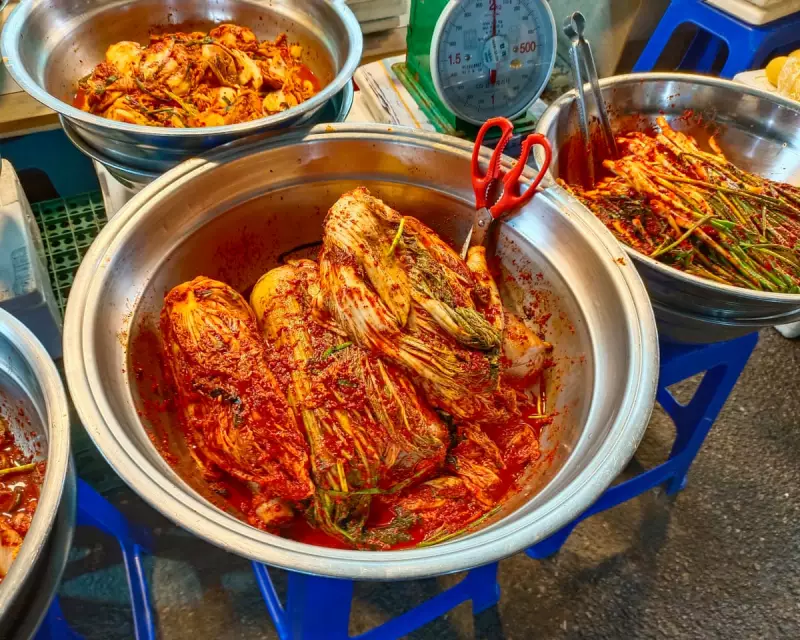
The pungent, spicy heart of Korean cuisine is under threat in its homeland, as cheaper imports from China price out local producers. Kimchi, the fermented vegetable dish served with nearly every meal, is at the centre of a growing economic and cultural dilemma for South Korea.
A Market Overtaken by Imports
For kimchi factory owner Kim Chieun in Incheon, the reality is stark. The market he has served for over three decades is rapidly being eroded. In the first ten months of this year, South Korea imported $159 million worth of kimchi, almost entirely from China. During the same period, its exports totalled just $137 million, creating a significant trade deficit for this national staple.
The price difference is the driving force. Chinese-made kimchi sells to restaurants for approximately 1,700 won ($1.15) per kilogram. The average price for a Korean-produced equivalent is more than double, at around 3,600 won ($2.45). This has led many restaurants, facing their own financial pressures, to switch to the cheaper import, leaving domestic producers like Kim struggling.

"Kimchi has become a world food from Korea, but this makes no sense at all," Kim states, lamenting the loss of his local market. "This market has been taken away from us."
Cultural Heritage Meets Modern Economics
Kimchi is far more than a simple side dish; it is a cornerstone of Korean identity. The term encompasses over 150 recognised varieties, made with ingredients like radish, cucumber, and spring onions, and seasoned with chilli, garlic, ginger, and fermented seafood. Its preparation, kimjang, is a UNESCO-recognised intangible cultural heritage, traditionally a communal winter event.
However, modern consumption patterns are shifting. With single-person households now exceeding 36% of all homes, fewer people make kimchi from scratch. Demand has moved to commercially produced versions, often consumed in restaurants where it is provided free of charge. This has made producers heavily reliant on the hospitality sector, where price is now the decisive factor.
"Should we really be using imported kimchi when this is a food that contains our people's soul?" asks Jeon Eun-hee, who runs a factory in Hwaseong. "It's truly heartbreaking." He has abandoned expansion plans and even contemplated closure as sales decline.
Compounding Pressures and Industry Response
The challenge from imports is exacerbated by the climate crisis, which is disrupting the cultivation of napa cabbage, kimchi's primary ingredient. Unpredictable weather has caused wholesale cabbage prices to more than double during peak seasons, squeezing producers' margins further.
Most South Korean kimchi manufacturers are micro-businesses with four or fewer employees, relying on labour-intensive methods. They struggle to compete with the industrial-scale, lower-cost production in China. In response, the Kimchi Association of Korea, led by Kim Chieun, has initiated a voucher scheme to incentivise restaurants to switch back to local produce. The group is also petitioning for stricter scrutiny of import prices.
South Korea's agriculture ministry states it aims to strengthen the industry's foundations through support for cabbage growers, voluntary origin labelling for restaurants, and research to extend shelf-life for export. Despite the pressures, producers believe quality is their ultimate defence. "Korean kimchi has a unique taste," Kim asserts. "That cannot be replicated." The question remains whether that uniqueness can survive the relentless logic of globalised market prices.






