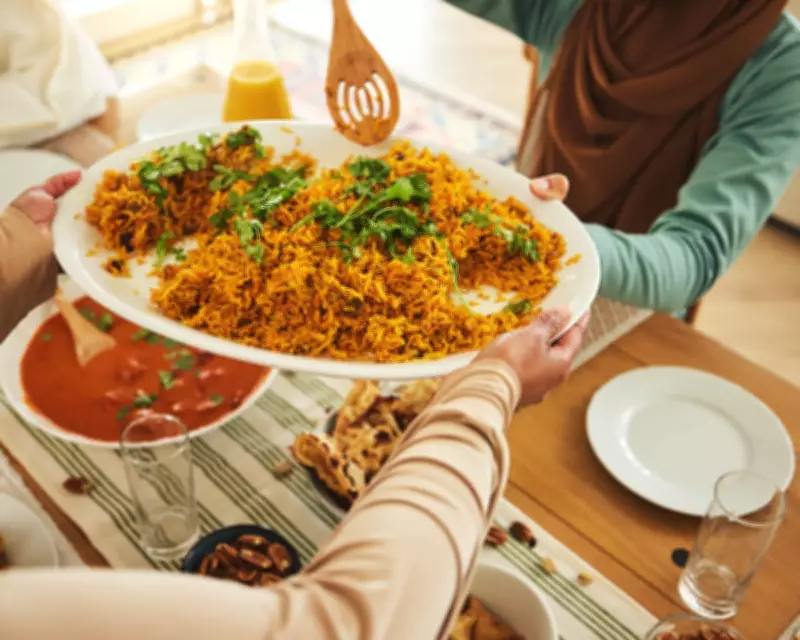
Spring has a remarkable ability to draw people together. As daylight extends into the evenings and markets overflow with fresh produce, kitchens and dining tables become vibrant hubs of activity. Over these weeks, four major festivals – Eid, Nowruz, Passover, and Easter – each offer unique stories and customs, yet they are all deeply connected by themes of food, family, and the powerful promise of renewal.
Eid: A Celebration of Generosity After Restraint
Eid arrives at the conclusion of Ramadan, bringing a joy that is both sharpened by weeks of fasting and softened by acts of generosity. The festive table is abundant yet thoughtful, featuring dates to break the fast, aromatic rice dishes, slow-cooked meats, and sweets like syrup-soaked pastries or sugar-dusted treats. In many households, maamoul – delicate semolina biscuits filled with dates or nuts – takes center stage, alongside a spread of celebratory dishes that evoke cherished memories as much as they delight the palate.
Nowruz: Welcoming the Persian New Year with Freshness
Cooking for Nowruz, the Persian New Year, feels like opening windows after a long winter. Coinciding with the spring equinox, this festival embraces new life and growth. The Haft Seen table, adorned with seven symbolic items, is central to the celebration, accompanied by dishes that reflect the season's vibrancy. Kuku sabzi, a herb-packed frittata that tastes like a condensed garden, and jewelled rice scattered with fruits and nuts are staples, embodying the freshness and hope of spring.

Passover: Symbolism and Warmth in Retelling History
Passover is rooted in the retelling of a journey from hardship to freedom, with the Seder table serving as a structured and symbolic centerpiece. Each element carries profound meaning: bitter herbs represent suffering, haroseth symbolizes mortar, and matzo recalls the haste of departure. Within this framework, warmth and variation flourish through soups, slow-cooked meats, and flourless cakes, creating a blend of tradition and familial comfort.
Easter: Emergence and Joy Through Seasonal Baking
Easter, too, marks a time of emergence, with tables opening up to color, generosity, and joy. Eggs – whether painted, baked into breads, or hidden for children – symbolize new beginnings. Celebrations often feature lamb roasts, spiced buns, and bright spring puddings. Classic recipes like hot cross buns remain touchstones, alongside broader preparations that highlight lamb, eggs, and seasonal baking, reinforcing themes of rebirth and community.
Common Threads: Resilience, Renewal, and Shared Tables
What stands out when comparing these celebrations is not their differences but their similarities. Each festival speaks a unique language of resilience and renewal, gathering people around tables to pause, remember, and start anew. This season offers a chance to mark time not just by dates, but by hope and connection.
In the UK and abroad, many have had the privilege of participating in these diverse holidays. From Persian-Danish Nordic Iranian celebrations to American Catholic feasts featuring buttermilk fried chicken and egg hunts in south London parks, experiences abound. Guests and hosts at Passover and Eid tables often come from various backgrounds, united by a shared desire to come together over food and fellowship.
Not long ago, joining unfamiliar rituals and meals felt more commonplace, with curiosity met by generosity. In today's world, where conflicts can foster division, it is crucial to hold onto what brings us together: the table, food, celebration, and communion – representing the best of humanity.
Additional Insights: Food Adventures and Community
Beyond festivals, food continues to inspire and connect. The film The President's Cake offers a poignant look at baked goods, blending heartbreak with whimsy. Road trips to cities like Edinburgh and Bristol highlight culinary gems, such as Noto and Hart's Bakery, while social media trends like no-water chicken soup spark curiosity and experimentation in kitchens. These experiences remind us of the ongoing joy and discovery in food culture.