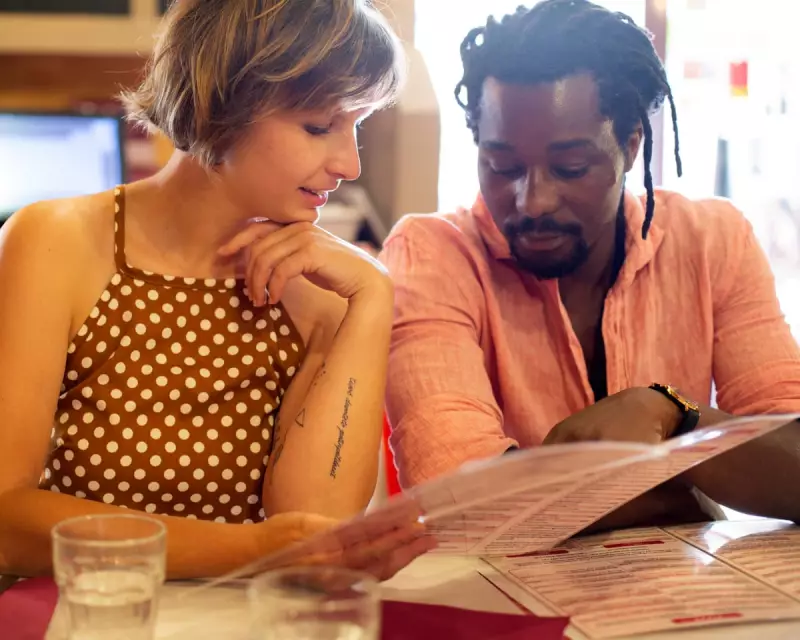
When the waiter approaches with that expectant smile, do you confidently state your choice or descend into a panic of indecision? According to fascinating new research, Britons fall into three distinct camps when faced with a restaurant menu, and your ordering style says more about you than you might think.
The Three Menu Personalities Uncovered
Food psychologists have identified three primary ordering archetypes that dominate UK restaurants:
The Ditherer
This diner faces what researchers call "menu paralysis" - the inability to commit to a single dish. They'll ask endless questions about ingredients, preparation methods, and portion sizes, often putting down and picking up the menu multiple times. The ditherer typically makes their final decision only when the waiter's pen is poised, creating tense moments for everyone at the table.

The Sharer
Driven by FOMO (fear of missing out), the sharer wants to taste everything. They're the first to suggest ordering multiple dishes "for the table" and will negotiate elaborate food-swapping arrangements before the ordering even begins. While they create a convivial atmosphere, they can overwhelm more decisive diners with their complex culinary diplomacy.
The Pre-Preparer
This organised individual has often studied the menu online days in advance. They arrive at the restaurant with their decision made, sometimes even rehearsing their order. While efficient, pre-preparers can miss spontaneous menu additions and sometimes regret not being more flexible when they see what others ordered.
What Your Ordering Style Reveals About You
According to behavioural experts, how we approach menu decisions reflects broader personality traits and even social anxieties. Ditherers often struggle with decision-making in other areas of life, while sharers tend to be more socially confident but anxious about missing opportunities. Pre-preparers typically value control and planning above spontaneity.
"The restaurant menu has become a modern Rorschach test," explains Dr Eleanor Vance, a food psychologist involved in the research. "In that moment of choice, we reveal our approach to risk, our social confidence, and even our underlying anxieties about making the 'wrong' decision in front of others."
The Social Dynamics of Ordering
The study also examined how these different styles interact at group dinners. Tables with multiple ditherers experience significantly longer ordering times, while sharers often influence entire groups toward more communal dining experiences. Pre-preparers can either streamline the process or become frustrated when others don't share their preparedness.
Interestingly, the research found that many people adopt different ordering styles depending on their dining companions, suggesting we modify our behaviour based on social context and who we're trying to impress.
Next time you're handed a menu, take a moment to observe not just what you want to eat, but how you go about choosing it. You might discover something new about your relationship with food, decision-making, and social dining.