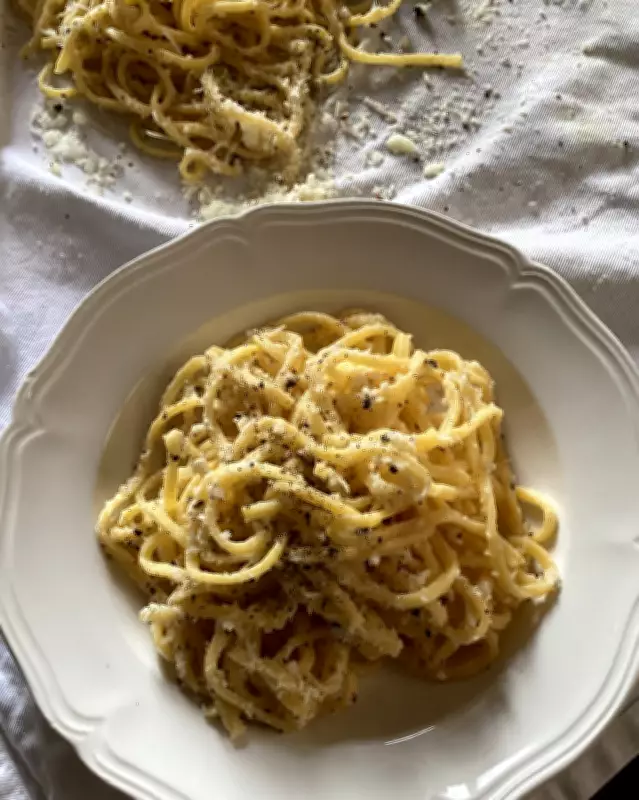
Rachel Roddy's Traditional Cacio e Pepe Recipe: A Roman Classic
In the heart of Roman culinary tradition, few dishes capture simplicity and flavor as perfectly as Cacio e Pepe. Food writer Rachel Roddy has shared her authentic recipe for this iconic pasta, which relies on just a handful of ingredients: pasta, Pecorino Romano cheese, and black pepper. This dish, often described as a "poor man's meal," dates back centuries and remains a staple in Rome's trattorias and home kitchens alike.
The Essence of Cacio e Pepe
Cacio e Pepe, which translates to "cheese and pepper," is celebrated for its minimalist approach. According to Roddy, the key lies in using high-quality ingredients and mastering the technique. She emphasizes that Pecorino Romano, a sharp, salty sheep's milk cheese, is non-negotiable for achieving the authentic taste. The pepper should be freshly ground to release its aromatic oils, which infuse the dish with a warm, spicy kick.
Roddy's method involves cooking the pasta—typically tonnarelli or spaghetti—in well-salted water until al dente. Meanwhile, she toasts the black pepper in a pan to enhance its flavor, then combines it with a bit of pasta water to create a creamy emulsion. The grated Pecorino is added off the heat to prevent clumping, resulting in a smooth, velvety sauce that clings to the pasta.

Why This Recipe Stands Out
Unlike modern variations that might include butter or oil, Roddy's recipe stays true to the old-fashioned way, relying solely on the starch from the pasta water to bind the cheese and pepper. This technique requires patience and precision, as overheating can cause the cheese to become stringy or grainy. Roddy advises stirring vigorously and adding the cheese gradually to achieve the perfect consistency.
She also highlights the cultural significance of Cacio e Pepe, noting that it originated as a quick, affordable meal for Roman shepherds and workers. Today, it symbolizes the beauty of Italian cucina povera, or "poor cooking," where humble ingredients are transformed into something extraordinary through skill and tradition.
Tips for Success
For those attempting this recipe at home, Roddy offers several tips:
- Use a generous amount of pasta water to help emulsify the sauce.
- Grate the Pecorino finely to ensure it melts smoothly.
- Serve immediately, as the dish can thicken quickly once plated.
This recipe not only delivers a delicious meal but also connects cooks to a rich culinary heritage. Whether you're a seasoned chef or a novice in the kitchen, Roddy's guidance makes this Roman classic accessible and rewarding to prepare.