

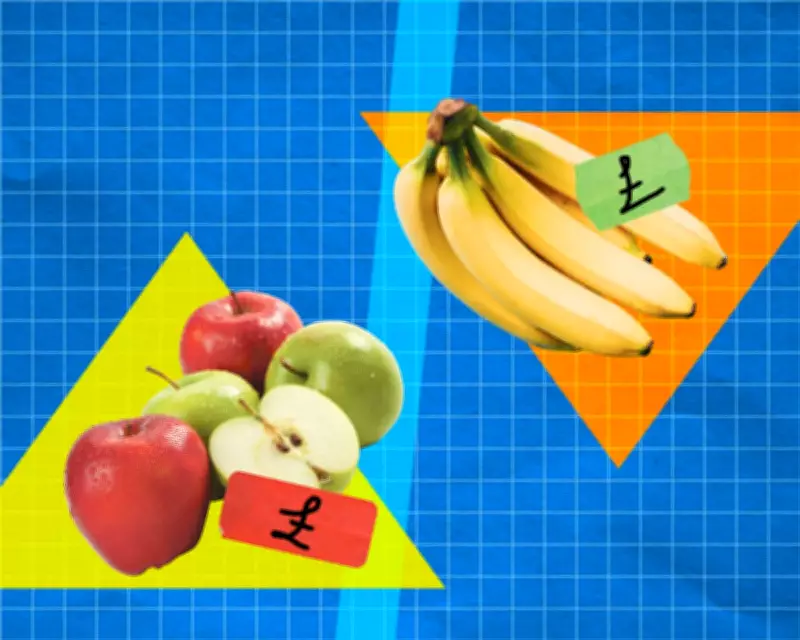
The Apple-Banana Price Paradox: Why Local Costs More Than Global
British shoppers face a puzzling reality at supermarket checkouts: homegrown apples consistently command higher prices than bananas imported from thousands of miles away. This economic contradiction persists despite apples requiring significantly less transportation distance than their tropical counterparts.
The Retail Pricing Strategy Behind the Numbers
"Modern supermarkets don't evaluate margins on individual products like they once did," explains Ali Capper, executive chair of British Apples & Pears and an experienced grower. "Retailers now examine product mixes collectively, calculating overall margins across entire categories rather than item by item."
Bananas have become retail weapons in this strategic pricing game. As the top-selling fresh product globally, bananas enjoy special status. "Nine out of ten households purchase bananas regularly," notes Alistair Smith, executive director of campaign group Banana Link. "This universal appeal allows retailers to aggressively suppress banana prices, sometimes even selling them below cost as loss leaders to attract customers."

The Statistical Reality of Fruit Pricing
Office for National Statistics data reveals consistent pricing disparities. As of January 2025, dessert apples averaged £2.14 per kilogram while bananas cost just £1.02 for the same weight. Government wholesale figures from January 2024 showed UK-grown apples at £1.23 per kilogram wholesale compared to bananas at 98p.
The markup difference becomes particularly striking when examining these numbers. Apples carry substantially higher retail margins, though supermarket prices include both domestic and imported varieties. Approximately 60% of UK-consumed apples originate overseas, with New Zealand apples traveling over 11,000 miles—more than double the distance of many Latin American bananas.
Labor Costs and Global Competition Pressures
UK apple producers face significant competitive disadvantages. "Two consecutive years of above-inflation minimum wage increases have substantially raised processing costs," Capper explains. "Labor represents about half the total expense of getting apples from orchard to farm gate."
British growers struggle against producers in countries like South Africa, where wage structures remain considerably lower. This labor cost disparity creates persistent pricing pressures that supermarkets pass along to consumers.
Category Complexity and Shrinkflation Trends
Apples and bananas present fundamentally different retail challenges. Banana offerings remain relatively simple—typically organic or Fairtrade options within limited packaging choices. Apples, conversely, present consumers with overwhelming variety. Recent analysis of Waitrose's online offerings showed just three banana options compared to twenty-one distinct apple packages.
Worldpanel by Numerator data reveals troubling trends: packaged apple prices have surged 17% since 2021, while banana prices increased only 6%. Simultaneously, shrinkflation has reduced apple package sizes across major retailers. Tesco now sells several varieties in "minimum of five" packs where six-packs previously dominated.
"Apple prices have risen sharply compared with bananas, and shoppers are clearly feeling it," observes Clara Tucker, consumer insight director at Worldpanel. "With fewer larger packs available and prices continuing to climb, consumers increasingly seek value alternatives or eliminate apples from their shopping altogether."
Global Supply Chain Pressures and Climate Impacts
The post-pandemic economic reopening triggered cascading cost increases across agricultural sectors. "Everything started rising—fertilizer, energy, plant protection products, even tree costs," Capper notes. The Ukraine conflict's energy crisis further exacerbated expenses for apple storage, which requires precise environmental controls.
Upcoming electricity transmission fee increases—scheduled to rise over 60% from April for high-intensity users—will add additional burdens. Farmers face year-round standing charges despite only needing enhanced power during winter storage periods.

Banana producers confront parallel challenges. "Costs have been escalating throughout the supply chain," says Anna Pierides of the Fairtrade Foundation. Climate crises have devastated production regions, with Peruvian floods and Dominican Republic droughts disrupting harvests. Approximately 30% of Dominican banana farmers have abandoned the sector entirely.
The Sustainability Question and Future Pricing
Smith argues bananas remain "undervalued and underpriced" in UK markets. "If bananas were priced to ensure fair compensation throughout production chains, they would cost approximately £1.50 per kilogram rather than the current £1 average."
Fairtrade certification has improved wages for thousands of banana workers, but producers outside this system continue receiving inadequate compensation. "Industry sustainability requires revaluation," Smith insists. "It makes no economic sense that products traveling 5,000 miles cost less than those transported 10 or 100 miles."
Despite recent apple price increases, Capper maintains retailers still aren't paying "fair, sustainable returns" that reflect growers' actual input costs. Her organization continues lobbying for more equitable pricing structures that support domestic agriculture.
This complex interplay of retail strategy, labor economics, global competition, and climate impacts creates the counterintuitive pricing reality British consumers encounter weekly. The apple-banana paradox reveals how modern food economics often defy simple distance-based pricing logic, with profound implications for both domestic producers and global supply chains.





