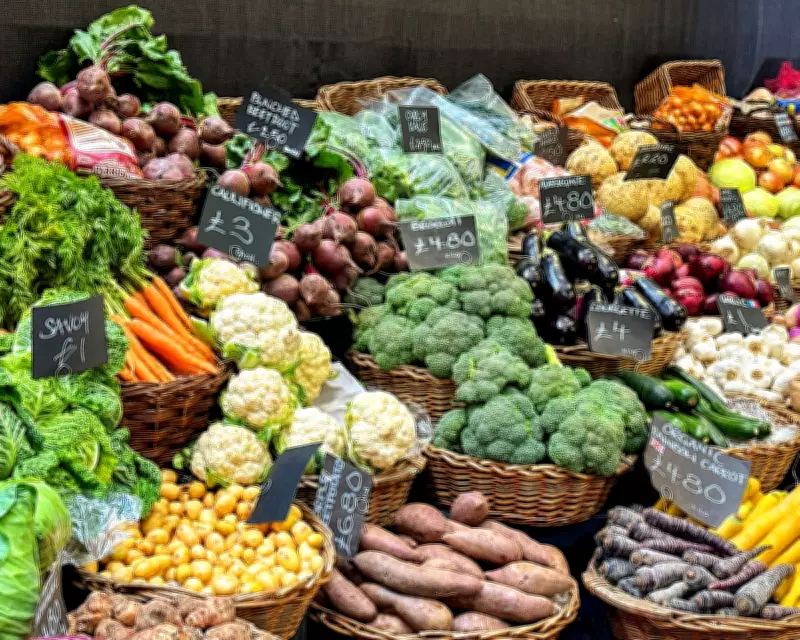
Organic Food Market Experiences Remarkable Resurgence in the UK
While the cost of living crisis continues to impact household budgets across the United Kingdom, the organic food market is defying economic pressures with its most significant boom in twenty years. According to recent data from the Soil Association, the UK organic food and drink market grew by nearly 8% in the year to September 2025, with sales volume increasing by 2.5% – a rate five times faster than the overall food market.
Changing Consumer Priorities Drive Growth
This resurgence marks a dramatic shift from the 2009 financial crisis when organic sales plummeted by 13% as consumers cut back on premium food items. Today, despite organic products typically costing more to produce and purchase, British shoppers are prioritising health and trust in their food choices. Clare Hadway-Ball, senior commercial manager at the Soil Association, notes that "people are still concerned about the cost of living but health is also really important, and for the last two years organic has been outperforming non-organic."
The growth extends beyond just fruit and vegetables, with organic meat experiencing particularly strong demand. Organic chicken sales have increased by 13% year-on-year, despite costing approximately three times more than conventional alternatives. Similarly, organic salmon has seen impressive growth of 21% in value and 18% in volume terms.

Demographic Shifts in Organic Purchasing
While empty nesters and retired individuals remain the biggest spenders on organic products, the market's appeal has broadened significantly. Middle-income families now purchase organic food most frequently, particularly focusing on essential items such as fruit, vegetables, tinned goods, and staples like pasta and rice. Although these families may not spend the most overall, their regular purchases of organic essentials indicate a fundamental shift in shopping habits.
Rob Haward, chief executive of veg box company Riverford, which reported a 6% increase in annual sales, commented that he has "not seen the market grow as much as this for 20 years." He attributes this growth to greater awareness of healthy diets and increased consumer concern about finding trustworthy food sources.
Supermarket Support and Promotional Strategies
Major retailers are responding enthusiastically to this renewed consumer interest. With approximately two-thirds of organic food and drink sold through large supermarkets, their support remains crucial to the sector's success. Tesco has recently revamped its organic own-label range of more than 100 products, with John Constantinou noting that "quality, great-tasting organic food really matters" to their customers.
Waitrose has similarly invested in expanding and relaunching its Duchy organic brand, which now includes around 250 products. Hannah McDonald, the retailer's own-brand manager, reported that during 2025, organic food sales increased in both value and volume terms, with particular growth in berries, bananas, and eggs.
To address affordability concerns, supermarkets have begun including organic items in loyalty card promotions, making products like butter, carrots, and apples occasionally available at comparable prices to conventional alternatives.
Generational Trends and Health Consciousness
Younger consumers are driving significant portions of this organic renaissance. Recent polling indicates that 42% of 18-24 year-olds purchase organic food at least once monthly, making them 92% more likely to buy organic fruit and vegetables than millennials. Tor Crockatt, head of marketing at Yeo Valley, observes that "Gen Z are particularly interested in organic and making sustainable choices. They have been brought up in an era where they have heard a lot about the health of people and the planet."
This generational shift coincides with broader health concerns, with approximately one in three households expressing worry about ultra-processed foods and seeking cleaner alternatives. Yeo Valley has benefited from this trend, experiencing a 40% increase in demand for natural and Greek yoghurts over the past three years as consumers return to basic, minimally processed foods.

The organic food market's current boom represents more than just a temporary trend – it reflects changing consumer values, increased health consciousness, and growing scepticism about conventional food production methods. As Crockatt suggests, "there's a lot of scepticism from consumers [about the food industry] so it feels like now is the time for organic to shine."