Rediscovering Britain's Lost Playtime Treasures
Before smartphones and streaming services dominated our leisure time, families across Britain gathered around tables for hours of entertainment provided by classic board games. While titles like Monopoly and Scrabble have stood the test of time, numerous other games that once captivated generations have faded into obscurity.
These forgotten gems from the 1960s through to the 1990s provided everything from frantic fun to genuine frights, creating lasting memories for those who played them. Let's take a nostalgic journey back to rediscover these lost treasures of British playtime.
The Games That Defined Generations
Rebound, released by Ideal in 1971, offered a sophisticated twist on traditional games. This two-player challenge resembled a miniature version of curling, where participants slid ball bearings along a board, bouncing them off rubber bands into scoring zones. Players still recall the satisfaction of a perfectly executed shot and the disappointment of watching their ball land in the dreaded pit.

For those who experienced the 1990s, Nightmare the Video Board Game (also known as Atmosfear) left an indelible mark. This revolutionary game included a VHS tape featuring the terrifying Gatekeeper who would unexpectedly shout commands and punishments at players. The objective of collecting six keys while avoiding your written "greatest fear" created genuine tension, with many former players admitting it caused sleepless nights.
The 1980s introduced Bed Bugs, often remembered as one of the noisiest games ever created. This frantic experience featured a vibrating bed covered in colourful bugs that players attempted to capture with tweezers. The combination of buzzing mechanics and hopping insects created chaotic fun that players found irresistibly addictive despite the noise levels.
From Corporate Stress to Teenage Crushes
Downfall, first released in 1970 by the Milton Bradley Company, presented players with a unique vertical board featuring five dials. Competitors twisted these dials to guide their coloured counters to the bottom tray, often inadvertently helping or hindering their opponent in the process. This ingenious design frequently led to sibling arguments but remains fondly remembered as one of the era's greatest games.
The 1990s sleepover scene was dominated by Dream Phone, where players worked to discover which mystery boy had a crush on them. The giant pink phone delivered clues about potential suitors, creating giddy excitement for teenage girls. Many former players can still recall specific details about their favourite Dream Phone guy decades later.
Business strategy took a unusual turn with Ulcers, first manufactured by Waddingtons in 1969. This game plunged players into the cut-throat corporate world where they managed companies, hired staff, and navigated the delicate balance between underpaying employees (risking them being poached) and overpaying them (risking bankruptcy). The game's description as "the game of manipulating company personnel" certainly dates it to a different era.
Enduring Classics and Pop Culture Crossovers
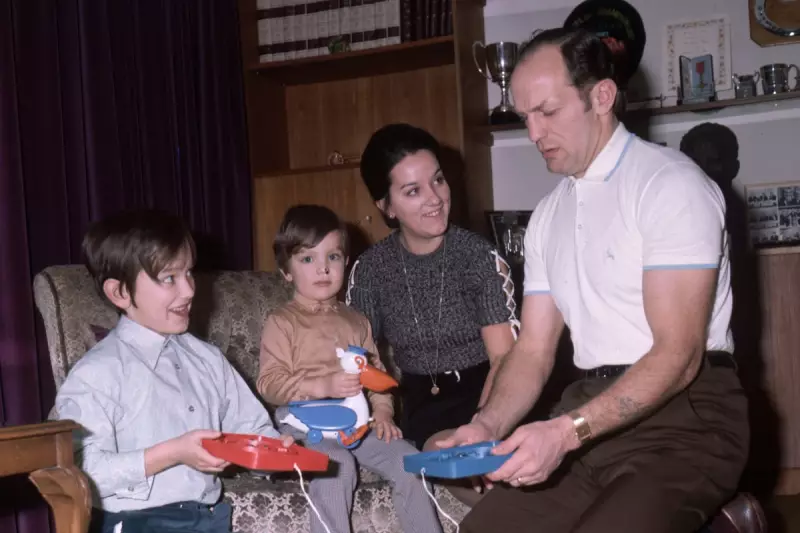
Frustration became a knockout hit in the 1960s, with even British boxing legend Henry Cooper photographed playing it with his family in 1971. The game featured two players racing steel marbles through identical mazes, with a column lighting up in the winner's colour upon completion.
Music enthusiasts of the 1970s enjoyed Chartbuster, which came with an endorsement from radio personality Tony Blackburn. Players entered the glamorous world of pop music with £100 to get their songs up the charts, aiming to be the first to sell a million records - a concept from the days when physical sales actually mattered.

Finally, the aMAZEing Labyrinth (later simply called Labyrinth) captured imaginations when Ravensburger released it in 1986. Players navigated a shifting maze, moving cards to create new paths while collecting treasures. The simple yet compelling gameplay made it an instant classic that many recall playing obsessively during their childhood.
These games may have faded from shop shelves, but they continue to live on in the memories of those who experienced the unique joy, frustration, and excitement they provided during Britain's golden era of family gaming.