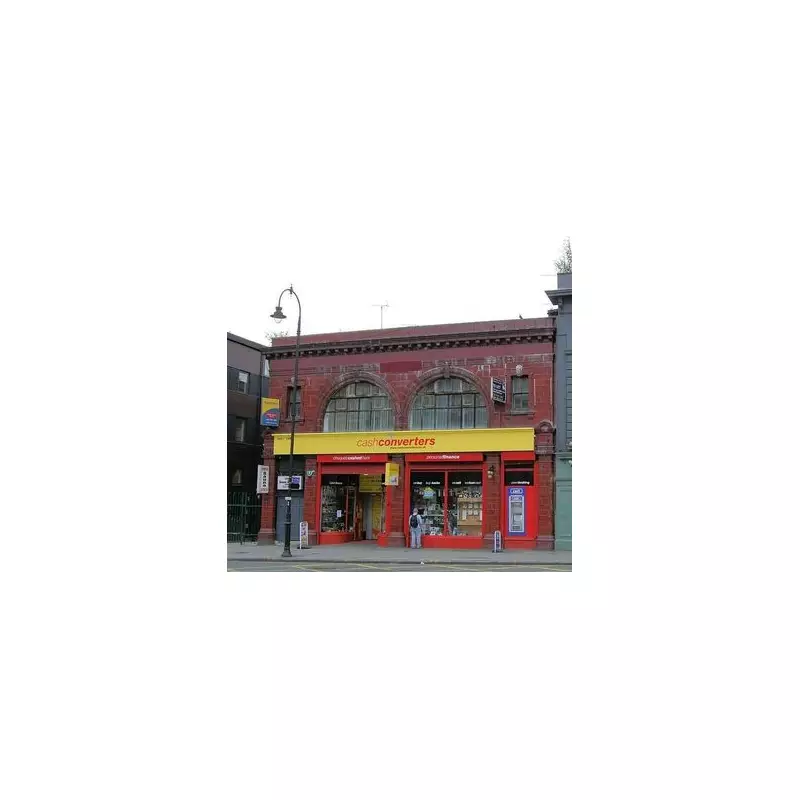
Beneath the bustling streets of North London lies a forgotten chapter of the Tube's history. While the network now boasts 272 stations, several have been lost to time, none with a story quite as chilling as South Kentish Town.
A Station Doomed from the Start
Opened in 1907 on the Northern line, South Kentish Town faced challenges from its inception. Its planned name, Castle Road, was changed by a vote, forcing workers to replace the original tiling. Its location proved its ultimate downfall. Nestled too close to other stations like the original Kentish Town and Chalk Farm, it saw low passenger numbers from the beginning. Train drivers, noting empty platforms, would often skip the stop entirely.
The Power Cut That Sealed Its Fate
The station's brief operational life came to an abrupt end in 1924. A strike at the Lots Road Power Station in West London triggered a major power cut across the network. While power was eventually restored, officials made a decisive call: South Kentish Town would remain closed for good. It was deemed too insignificant to reopen.

Today, few would recognise its existence. The old station building sits above a Cash Converters shop, with an escape room business, Mission: Breakout, now operating in the subterranean space. Commuters walk past every day, utterly unaware of the dark history beneath their feet.
The Week-Long Nightmare of a Stranded Passenger
Perhaps the most haunting tale associated with the station occurred shortly after its closure. As recounted in the London Underground staff magazine, T.O.T., and later immortalised in a poem called 'The Tale of Mr Brackett', a passenger found himself in a terrifying predicament.
In an era before automatic doors became standard in 1929, a train halted near the abandoned station due to a signal. A commuter, engrossed in his newspaper, absentmindedly stepped off onto what he assumed was an operational platform. He was met with pitch-black darkness so profound he initially feared he had gone blind.
Striking a match, he saw the station name board and realised his grave error. For days, he desperately tried to flag down passing trains, but none stopped. The poem describes how the terrified man survived for an entire week, trapped on the deserted platform. His salvation finally came when he tore posters from the walls and, using his last match, set them alight as a distress signal, leading to his discovery.
This eerie episode remains one of the most compelling legends of London's subterranean world, a stark reminder of the hidden stories lurking in the city's abandoned corners.