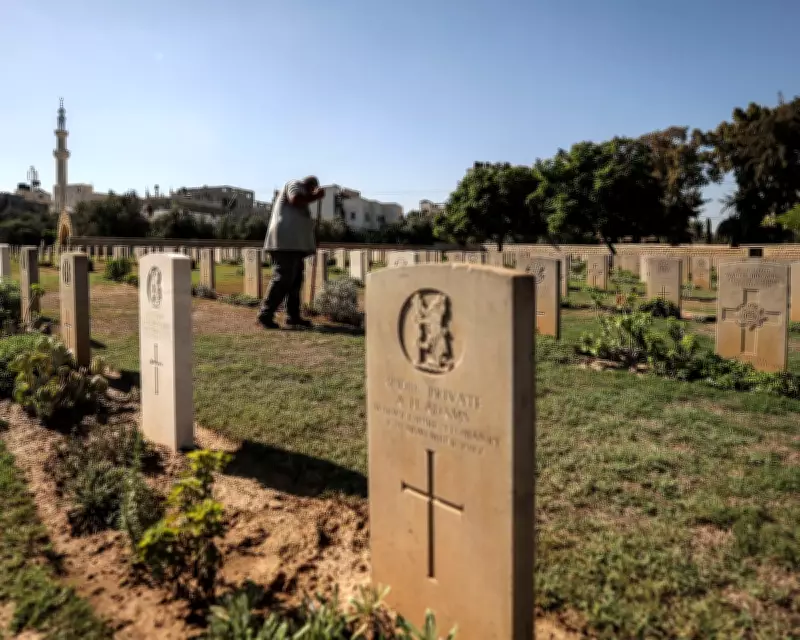
Australian War Graves in Gaza Damaged Amid Ongoing Conflict
The graves of Australian soldiers who fought in the First and Second World Wars and are buried in Gaza have sustained damage during the recent hostilities. This incident has sparked significant concern among heritage and veterans' groups, highlighting the vulnerability of historical sites in conflict zones.
Details of the Damage and Historical Context
The cemetery, which serves as the final resting place for numerous Australian servicemen, has reportedly been affected by the fighting in the region. While specific details on the extent of the damage are still emerging, initial reports indicate that some gravesites have been compromised. This raises urgent questions about the protection of such sites under international law and during times of war.
Australia has a long history of military involvement in global conflicts, with many soldiers laid to rest in foreign lands. The graves in Gaza are part of this legacy, commemorating those who served in pivotal moments of the 20th century. The damage not only impacts the physical memorials but also touches on broader issues of remembrance and respect for fallen heroes.

Broader Implications and Responses
This event underscores the challenges of preserving historical and cultural heritage during armed conflicts. It has prompted calls from various organisations for enhanced measures to safeguard war graves worldwide. In response, Australian authorities and international bodies may need to reassess protocols for protecting such sites in volatile regions.
The situation in Gaza continues to evolve, and further assessments are required to fully understand the impact on the cemetery. Stakeholders are advocating for immediate actions to document the damage and explore restoration possibilities once conditions allow.
Key Points to Consider:- The damage highlights the intersection of conflict and cultural heritage preservation.
- Australian war graves in Gaza represent a significant part of the nation's military history.
- Ongoing efforts are needed to protect these sites in accordance with international standards.
As the conflict persists, the fate of these graves remains a poignant reminder of the lasting effects of war on historical memory. This incident serves as a catalyst for broader discussions on how to better protect similar sites in future conflicts.