In a charming and unexpected turn of events, a family living in Jerusalem during the late 1960s found themselves the proud owners of a donkey named Cocolo. This delightful story, recounted by Sam Wollaston, captures the whimsical and sometimes embarrassing moments of childhood with an unconventional pet.
The Accidental Arrival of a Furry Friend
Sam Wollaston was just four years old when Cocolo entered his life, making his memories of the donkey somewhat fragmented yet vividly sensory. He recalls the pleasant texture of Cocolo's furry ears, a detail that has stayed with him over the decades. The family had moved to Jerusalem for a year due to his father's work, and it was during a casual conversation that fate intervened.
While enjoying a Sunday buffet lunch at the American Colony hotel, Sam's mother mentioned to the doorman that she had always wanted a donkey. This offhand remark set in motion a series of events that would change their daily routine. A few days later, a man appeared at their flat door with a donkey, claiming it had been ordered. Despite initial protests from Sam's father, the children—Sam and his elder sister Sophy—were instantly smitten with the brown, adorable creature.

From Garden Companion to School Transport
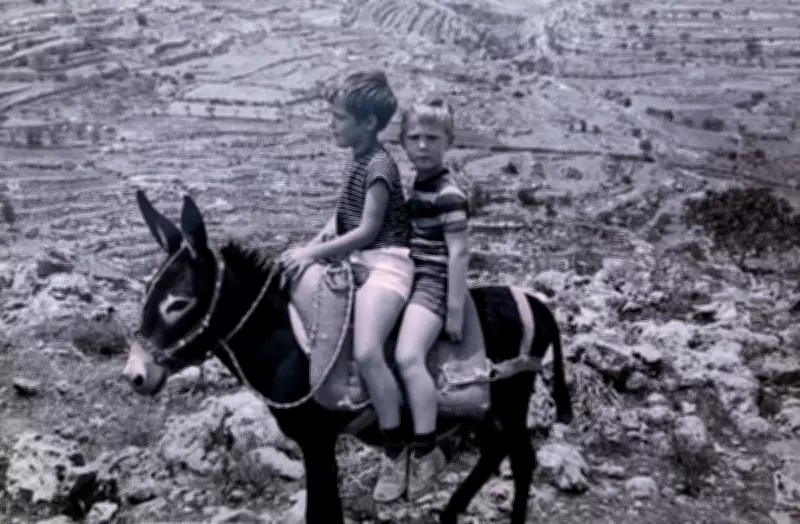
Cocolo was named after a donkey in a children's book by Bettina Ehrlich and quickly settled into the shared garden of their flat. However, his role expanded beyond that of a simple pet. Sam's mother decided that Cocolo would be the ideal mode of transport for the school run, a choice that led to some memorable and awkward moments.
Navigating a busy road during rush hour proved challenging, as donkeys are known for their obstinate nature, often stalling in traffic. While other children at the Christian international school arrived in family cars like Volvos, Sam and Sophy were led up the circular drive on Cocolo. Sam admits this was a source of embarrassment at the time, highlighting the quirky contrast between their transport and that of their peers.
Challenges and Changes in Cocolo's Life
Despite his good-natured demeanour, Cocolo faced difficulties. At night, he would often hee-haw loudly, possibly due to loneliness or fear, which strained relations with the neighbours. After a few months, the family made the tough decision to move Cocolo to a farm in the West Bank. He remained theirs, and they visited him on weekends, enjoying rides around Nebi Samuel, safe from the snakes and scorpions below.
However, Sam sensed a change in Cocolo after the move. The donkey seemed to carry them more out of duty than affection, as if he hadn't forgiven them for sending him away. The final straw came when Cocolo, startled by a road worker's pneumatic drill, reared up and threw Sophy and Sam to the ground. This incident marked the end of their relationship with the donkey.
A Bittersweet Farewell
Amid tears and wailing, Sam's mother took Cocolo to the livestock market outside Damascus Gate, where she sold him to a kind milkman. This new owner planned to use Cocolo for delivering milk to remote West Bank villages, a purpose Sam reflects might have been more noble than ferrying embarrassed English children to school.
Over the years, Sam has used this story as a playful guilt-trip, reminding his mother of the unconventional school runs. This tale of Cocolo the donkey not only evokes nostalgia but also underscores the unique bonds we form with pets, even when they arrive unexpectedly and leave a lasting impression on our lives.