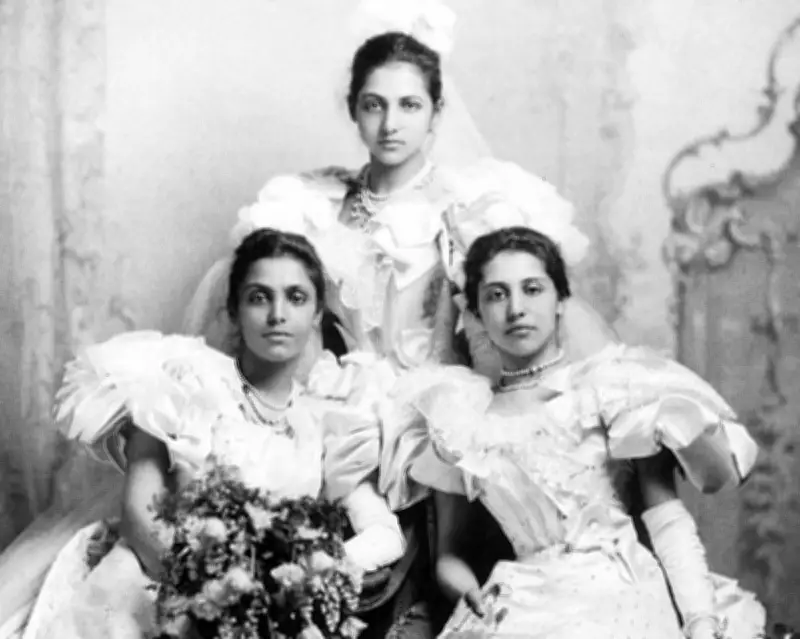
The Last Princesses of Punjab: A Story of Exile, Identity, and Activism
The remarkable journey of Princess Sophia Duleep Singh, from exiled Punjabi royalty to pioneering suffragette challenging the British establishment, forms the centerpiece of a groundbreaking exhibition opening at Kensington Palace. The Last Princesses of Punjab launches on Thursday, March 26, running through November, revealing the complex legacy of a woman who navigated elite social circles while fighting for radical change.
A Princess Between Two Worlds
Sophia Duleep Singh was born into extraordinary circumstances as the daughter of Duleep Singh, the last Sikh maharajah of the Punjab. Her father's childhood surrender of Punjabi lands to the East India Company in 1849, including the relinquishment of the legendary Koh-i-noor diamond, established a family narrative of colonial dispossession that would shape Sophia's consciousness. The diamond, now embedded in the crown of the late Queen Elizabeth the Queen Mother, remains a powerful symbol of imperial exploitation.
Despite this history, the family found themselves embraced by British aristocracy after relocating to England. Duleep Singh cultivated a close friendship with Queen Victoria, who would become Sophia's godmother. Sophia's mother, Bamba Muller, was herself the daughter of a German banker and an enslaved Ethiopian woman, creating a heritage that spanned continents and cultures. The children grew up at Elveden Hall in Suffolk as privileged aristocrats, yet always conscious of their displaced royal lineage.

From Royal Goddaughter to Radical Activist
The exhibition powerfully documents Sophia's transformation from royal ward to committed suffragette. Despite being granted a grace and favor apartment at Hampton Court Palace by Queen Victoria, Sophia became a devoted campaigner for women's voting rights. A rarely exhibited bound volume of The Suffragette newspaper, featuring an image of Sophia selling copies at the gates of Hampton Court Palace, highlights this duality.
Her activism extended beyond symbolic gestures. Sophia marched alongside Emmeline Pankhurst during the Black Friday suffragette demonstration in 1910 and personally wrote to Winston Churchill detailing police brutality witnessed during the protest. The exhibition includes this handwritten letter alongside banners from the Women's Tax Resistance League bearing the slogan "No Vote, No Tax"—a principle Sophia upheld by facing court three times for tax refusal.
Five Women Who Shaped a Legacy
The exhibition expands beyond Sophia to explore the five women who profoundly influenced her life and worldview:
- Her sisters Catherine and Bamba, who shared her complex heritage
- Her mother Bamba Muller, whose own multicultural background informed the family's identity
- Her grandmother Jind Kaur, connecting them to their Punjabi royal lineage
- Her godmother Queen Victoria, representing the British establishment they both inhabited and challenged
Personal artifacts reveal how these women navigated their dual identities as British aristocrats and Punjabi princesses. An ornately decorated rocking horse and three-piece embroidered outfits worn by the children in family photographs illustrate their privileged upbringing, while a jewelled pendant—likely an heirloom from grandmother Jind Kaur—tells another story entirely.
Hidden Histories of Resistance
The exhibition uncovers lesser-known aspects of the sisters' activism. While Sophia fought for women's suffrage, her sister Catherine played a crucial role supporting Jewish refugees fleeing Nazi persecution. Catherine acted as guarantor for German Jewish families, inviting them to live at her Buckinghamshire home, and gifted the precious pendant to eight-year-old Ursula Hornstein—a gesture of solidarity across persecuted communities.
Polly Putnam, curator of collections for Historic Royal Palaces, emphasizes the exhibition's significance: "This exhibition reveals a story of courage, identity and resistance told through the lives of extraordinary women. Presenting it within Kensington Palace—where Queen Victoria spent her childhood—gives us a rare opportunity to reflect on their intertwined histories."

Exhibition historian Mishka Sinha adds: "The women of her family lived through an extraordinary sweep of history, yet each found ways to exert influence and forge their own identity."
Opening during Women's History Month in the 150th anniversary year of Sophia's birth, The Last Princesses of Punjab brings together personal letters, photographs, and objects that tell a global story of empire, displacement, and resilience. Through these artifacts, visitors encounter not just historical figures, but women who continually redefined what it meant to belong—and to resist.