Nearly two decades ago, a runner first descended into a secluded Somerset valley, breathless not from exertion but from awe. Before them lay a landscape of roofless buildings, furnaces embedded in cliffs, and a chimney stack exhaling nothing but fresh air. This was the site of a once-thriving ironworks near Frome, a place where dereliction had carved a surprising path back to natural beauty.
The Greening of an Industrial Relic
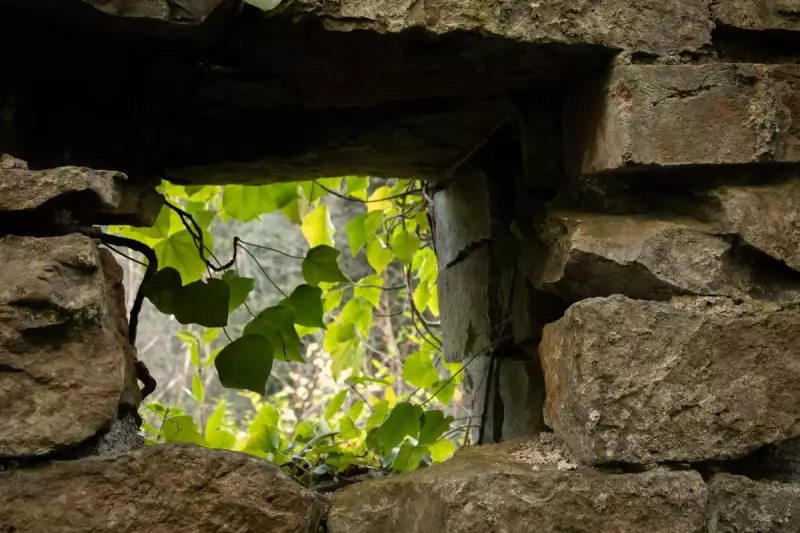
On those early visits, the scene was one of quiet reclamation. The observer peered through thick ivy that draped like curtains over windowless frames, looking onto factory floors now colonised by slender birch trees. Tumbledown walls were crowned with spreading bushes in a process the author aptly termed a 'greening by stealth'. This valley, once the heart of industry, was being gently swallowed back by the Somerset countryside.
For years, the early internet yielded little about this place's past as a centre for making edge tools—the spades, shovels, sickles, and hoes that cultivated the county and fed the nation. Its history remained locked in the decaying brick and silent forges. That changed just a few weeks ago with the installation of a giant information panel, packed with a novella's worth of historical detail.

Uncovering the Human Cost
Faced with this wealth of information, visitors now take a piecemeal approach, digesting the site's story section by section. One recent reading focused on the workers who once toiled there. The panel revealed a grim reality: labourers spent their lives with noses to the grindstone, sharpening blades at the cost of their own health. Few lived to see their 40th birthday.
The impact of this knowledge was visceral. Turning from the text, the visitor was struck by an almost phantom scent—the distinct whiff of metal flaking off, a sensory ghost perhaps dredged from childhood memories of a father filing tools. It was an eerie, tangible connection to the past.
A Tangible Link to History
On a later visit, exploring the soft, humic ground of the site felt like following an estate agent's floorplan, moving from room to room, forge to forge. The workers of two centuries ago had lined the cliff face with brick walls, creating compartments for their industry. In one, the low rectangular recess of a fireplace remains, its bricks still blackened by soot.
It was here, on hands and knees, that a small, dark discovery was made beside some mouse droppings on a ledge. A pebble-sized object, purplish-black and surprisingly heavy, rested in the palm: a bubble of iron slag, a direct, solid remnant of the furnace's heat. After a moment of contemplation, it was returned to its ledge—a small weight of history left for future hands to find and feel, connecting the present to those who laboured here long ago and to those who will wonder after.