Generation Z is emerging as the most religious demographic currently alive in the United Kingdom, according to striking new data. Research indicates that young Britons now express belief in a higher power at higher rates than even the over-65s, marking a significant reversal of long-standing secular trends.
The Data Behind the Spiritual Shift
A recent YouGov study provides compelling evidence of this generational change. It found that Gen Z's levels of faith now surpass those of the 65+ age group. Tracking the same age cohort over six years reveals a dramatic increase: in 2018, just 28% of 18 to 25-year-olds said they believed in a higher power, but by 2024, this figure had jumped to 49%.
The trend extends to religious practice. The proportion of young people reporting they attend church monthly rose sharply from 7% in 2018 to 23% in 2024. This data points to a substantial and measurable shift in attitudes among UK youth, challenging the assumption that society is becoming uniformly less religious.

Social Media: The Digital Pulpit
Experts and influencers point directly to online platforms as a primary catalyst for this change. Dr Edward David, a lecturer at King's College London who has researched young people's religious behaviour, attributes the increase partly to social media. "Priests and clerics are telling researchers that they are seeing an influx of young people knocking on their doors because they have encountered a religious idea on Instagram," says Dr David.
He explains that for many, platforms like TikTok and Instagram serve as an introduction. "A lot of young people are learning about religion for the very first time via social media. They might see a 30-second video and then they are hungry for more." The hashtag #ChristianTikTok alone hosts over 25 million videos, creating a vast, accessible library of spiritual content.
Influencers are at the forefront of this digital ministry. Love Island and TOWIE star Matilda Draper, 25, is one such figure. She recalls a time when admitting faith made her a "loser" at school, but now notes a change. "I've definitely noticed a change in people speaking about God. I see it a lot on TikTok now, young preachers on the street," she says. A video of her baptism gained over 1.3 million views on TikTok.
Searching for Purpose in a Crisis
Beyond the algorithm, analysts identify a deeper yearning driving young people towards faith. Dr David suggests Generation Z has faced unique challenges, getting the "short end of the economic and social stick" through events like the pandemic and the cost-of-living crisis. As a result, he says, they are actively "looking for answers" and deeper meaning.
Matilda Draper echoes this sentiment, noting, "There's so much bad in the world, so much negativity that you see online... I do think that people are yearning for purpose and fulfilment."
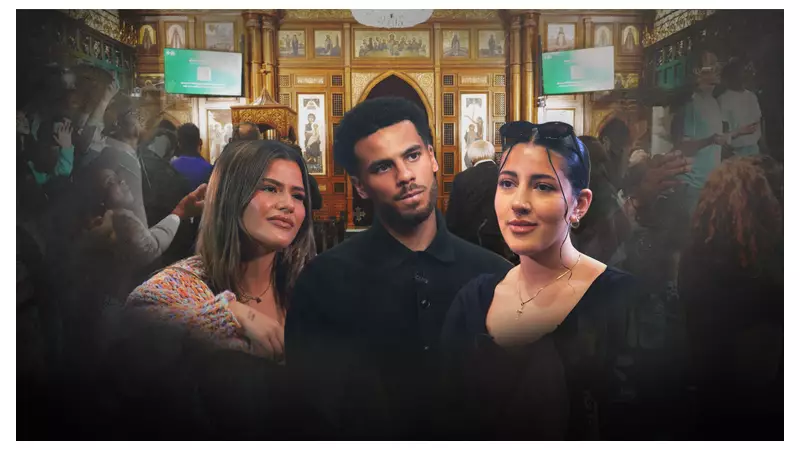
For other young influencers, community is a key draw. Zack Ubi and Chrissy George, both 25, have amassed millions of views with their religious content. Chrissy argues that a sense of community is lacking in wider society and is a factor pulling young people towards churches. Zack observes the changing demographic: "It's not just the usual demographic you think would come to church. I am seeing people that look like me, dress like and are similar ages to me."
A Note of Skepticism and an Uncertain Future
This trend is not universal. Hetty Owen, a 23-year-old atheist active on social media, says she is "surprised" by the data. "I don't see anyone really posting about [religion] and if I do, it's more like religious persecution," she states, highlighting that online experiences can vary greatly within the same generation.
Whether this surge in religiosity among Gen Z represents a permanent realignment or a temporary response to societal upheaval remains an open question. What is clear, however, is that through the powerful combination of digital connectivity and a search for substance, Generation Z is actively reshaping the landscape of faith in modern Britain.