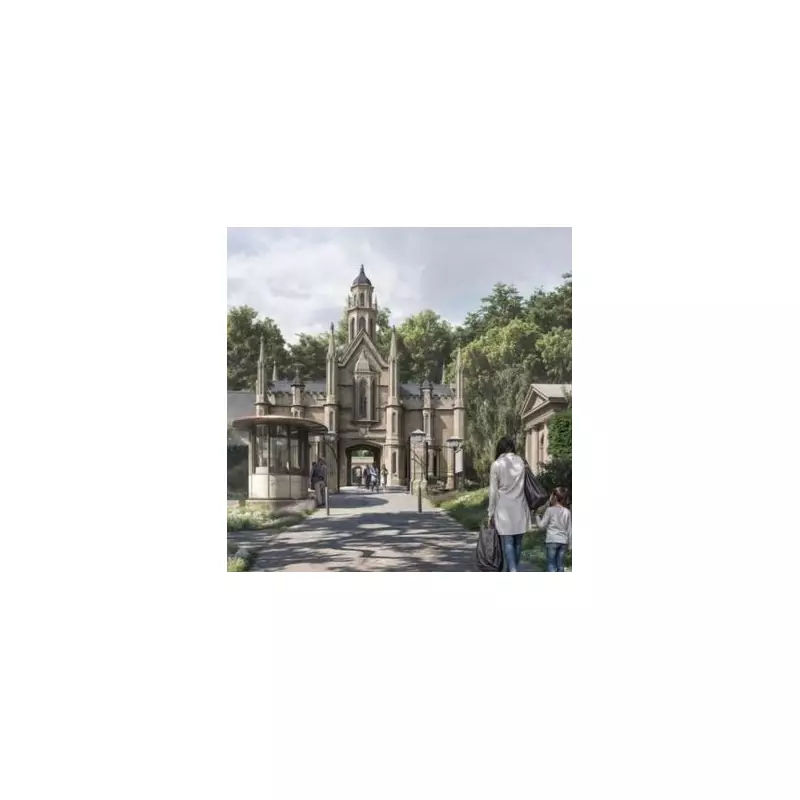
One of London's most famous historic cemeteries has been given the official go-ahead for a major £18 million regeneration project, following a fierce dispute with grave owners over initial plans.
A Controversial Start
On Monday, November 3, Camden Council approved the extensive plans to overhaul Highgate Cemetery. This forms part of a 25-year "revitalisation" project designed to combat the damaging effects of climate change and general decay, while also restoring existing structures and constructing new facilities.
The overgrown oasis near Hampstead Heath, one of the capital's famed 'Magnificent Seven' cemeteries, is a major tourist attraction, drawing visitors to the graves of icons like Karl Marx and George Michael.

However, the project faced significant opposition earlier this year. The Friends of Highgate Cemetery Trust (FHCT) had proposed building a new toilet block and gardener's facilities on a burial mound, sparking furious backlash. Families of the deceased, including actor Bertie Carvel and the widow of sociologist Prof Stuart Hall, strongly opposed the building, which some likened to a "bunker".
Listening to Objections
Many grave owners expressed deep discomfort at the prospect of toilets being placed near their loved ones' resting places, arguing that the cemetery's management was prioritising tourists over their concerns. Dozens of objectors, including former Labour leader Jeremy Corbyn, wrote to the trust.
The situation escalated when Pam Miles, widow of actor Tim Pigott-Smith, warned she would exhume her husband's remains and bill the cemetery for the costs if the plans went ahead.
In a decisive move in August, the cemetery's bosses removed the controversial block from the application. In a letter to grave owners, Ian Dungavell, Chief Executive of FHCT, confirmed the trust had "listened carefully to the views of grave owners" and axed the proposed gardener's buildings.
What the Revamp Will Include
The approved £18 million revamp includes a wide range of improvements and conservation works across the Grade I-listed site. Key elements of the project are:
- Extensive landscaping works throughout the cemetery.
- A new café and education centre.
- The refurbishment of the existing chapel, including new spires.
- Creating new habitats for wildlife.
- Conserving the Grade I-listed Egyptian Avenue and Grade II-listed Terrace Catacombs.
- Restoring access to views of London and reopening the grand West Carriage Drive.
- Removing dangerous or diseased trees to restore biodiversity.
In the meantime, the gardeners' facilities, currently housed in two deteriorating shipping containers, will be replaced with similar temporary structures.
Despite the resolution, some objectors remain wary. At the council meeting, grave owners raised suspicions that dropping the building was a tactical move and did not rule out similar future plans. The council's planning committee declined to block any future applications for facilities on the mound, with Cabinet Member for Planning, Cllr Adam Harrison, stating it was "not in our gift" to do so.
Highgate Cemetery opened in 1839 and its 53,000 plots are the final resting place for many celebrated individuals, including painter Lucian Freud, novelist George Eliot, and scientist Michael Faraday, cementing its status as a site of immense historical and cultural significance for London.