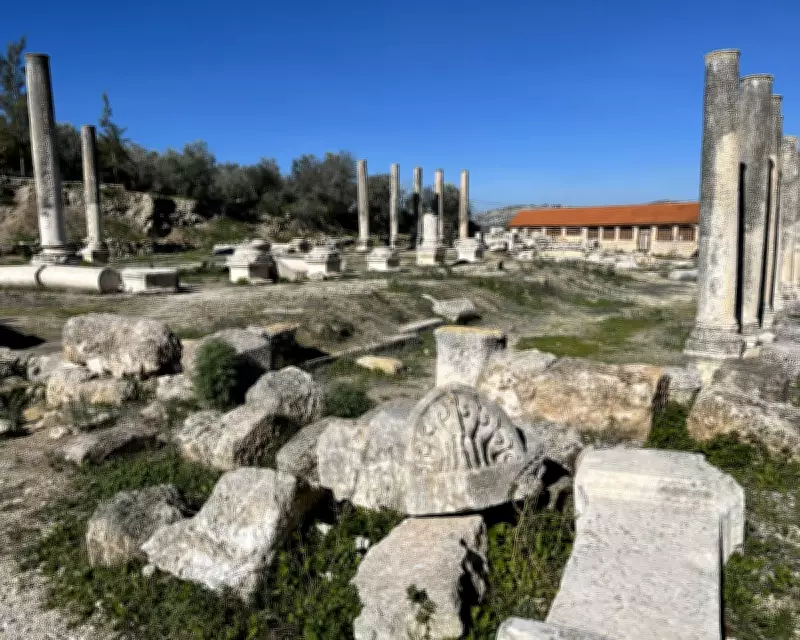
The ancient ruins near Sebastia, with their Byzantine-era church, Roman columns, and overgrown remnants linked to Israelite kings, stand on a hilltop overlooking the Mediterranean and the occupied West Bank. For the 3,500 Palestinian residents of the nearby town, this site is not just a historical treasure but a vital source of livelihood through tourism and olive cultivation. However, in November, Israeli authorities delivered a shocking notice to Mayor Mahmud Azem, announcing the seizure of the entire 182-hectare archaeological area, marking the largest land expropriation for such a project since Israel occupied the West Bank in 1967.
A Heritage Project or a Land Grab?
Israeli officials, including Heritage Minister Amichai Eliyahu of the far-right Otzma Yehudit party, frame the multimillion-dollar redevelopment as a way to "breathe new life" into Sebastia, highlighting its significance as the capital of the ancient Israelite kingdom of Samaria. Plans include a visitors' centre, car park, and a fence that will separate the ruins from the town, along with a new access road bypassing Sebastia to allow direct tourist arrivals from Israel. Supporters argue the site has been neglected for decades and deserves development to attract hundreds of thousands of visitors annually.
Yet, critics and residents see a darker agenda. They allege the heritage project is a pretext for expanding Jewish settlements, part of a broader surge promoted by Israel's right-wing coalition government. Alon Arad of the Israeli NGO Emek Shaveh warns that archaeology is being "weaponised" for annexation, with the scale of expropriation setting a dangerous precedent as much of the land is privately owned. Mayor Azem describes it as an "aggression against Palestinian landowners, olive trees, tourist sites, and a violation of Palestine's history."

Historical Layers and Political Tensions
Sebastia's complex past, spanning Assyrian, Hellenistic, Roman, Byzantine, Islamic, Crusader, Ottoman, and British eras, offers a rich tapestry that both sides selectively interpret. While Israeli settlement leaders accuse Palestinian authorities of erasing the site's biblical connections, local curator Wala'a Ghazal emphasises that focusing solely on one period ignores millennia of continual habitation. The site, tentatively listed for UNESCO world heritage status for Palestine since 2012, faces development that could alter its historical narrative, similar to criticised projects in East Jerusalem managed by settler groups like Elad.
International law prohibits occupying forces from interfering with archaeological sites, adding to the controversy. For residents like Mahmud Ghazal, whose home and business straddle the planned fence line, the project threatens to "destroy Sebastia" by cutting off access to ruins and olive orchards. With tourism already dwindling since the Gaza war, the community fears this move will sever their economic and cultural ties to the land, turning a shared heritage into a symbol of division and displacement in the West Bank.