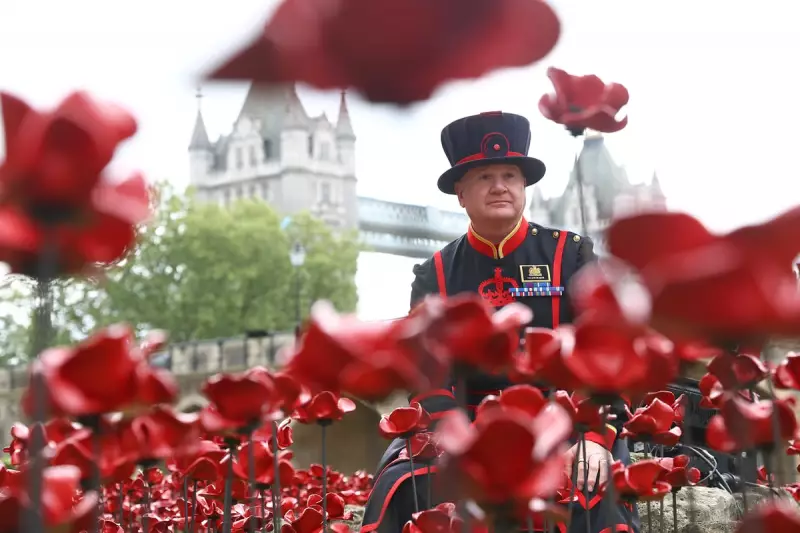
Time is running out for visitors hoping to experience the poignant sea of ceramic poppies at the Tower of London, with the display set to be removed tomorrow on Armistice Day.
The installation, titled 'The Tower Remembers', will close to the public at 11am on Tuesday, 11th November 2025, culminating in a minute's silence. The Tower of London itself closes at 5:30pm today, Monday 10th November, marking the final opportunity for visitors to view the spectacle.
A Memorial for the Fallen
Earlier this year, nearly 30,000 ceramic poppies were installed at the historic fortress to commemorate the 80th anniversary of Victory in Europe (VE) Day. The display serves as a powerful memorial to those who served and sacrificed during the Second World War.

The poppies are on loan from the Imperial War Museum and have a significant history. They were initially part of artist Paul Cummins' acclaimed 'Blood Swept Lands and Seas of Red' installation at the Tower in 2014, which marked the centenary of the First World War.
The Story Behind the Display
This year's presentation was created by designer Tom Piper and has been on view since 6th May 2025. The sight of the vibrant red poppies against the backdrop of the ancient Tower has drawn countless visitors over the past several months, offering a moment for quiet reflection.
The installation has provided a focal point for remembrance, connecting the public with the immense sacrifices made during one of history's most significant conflicts. Its removal on Armistice Day provides a symbolic conclusion to this period of commemoration.
A Final Opportunity for Reflection
For those wishing to pay their respects, today represents the last chance to witness this moving tribute. The synchronisation of the display's removal with Armistice Day adds a profound layer of meaning to the occasion, linking the act of remembrance across different eras of conflict.
The Tower of London has once again provided a fitting and powerful setting for a national moment of reflection, continuing its long-standing role in British history and commemoration.