The Curious Origins of Left-Hand Driving: A Historical Perspective
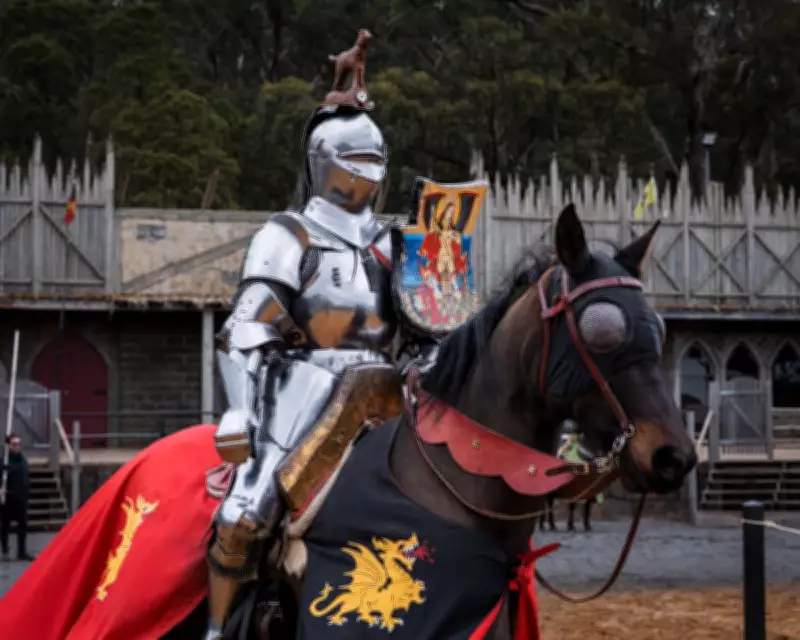
In a recent Guardian letters section, readers delved into the intriguing question of why Britain drives on the left-hand side of the road. This discussion was sparked by a quiz answer suggesting that this tradition dates back to keeping the right hand free for sword fighting. This historical tidbit has led to playful speculation about whether people in other parts of the world drive on the right to keep their left hand free for shield wielding.
From Sword Fighting to Shield Wielding: A Global Driving Mystery
The debate highlights a fascinating aspect of cultural heritage and transportation norms. While Britain's left-hand driving is often attributed to medieval practices where knights needed their dominant right hand for combat, the global prevalence of right-hand driving raises questions about alternative historical explanations. Could shield wielding have influenced driving habits in countries like France, the United States, or Australia? This theory, though humorous, underscores how everyday practices can have deep-rooted historical origins.
Reader Letters: Humorous Anecdotes and Cultural Observations
The Guardian's letters section also featured a collection of witty and insightful contributions from readers. Simon Chapman from Marseille, France, pondered the shield-wielding hypothesis, adding an international dimension to the discussion. Meanwhile, other letters touched on diverse topics, from film trivia to childhood fibs.

Rendel Harris from London corrected a quiz error about the film Glengarry Glen Ross, noting the presence of a female character, the "Coat check girl," played by Lori Tan Chinn. This highlights the importance of accuracy in cultural references and the value of reader feedback in maintaining journalistic integrity.
Inventive Fibs and Everyday Humor
Jimmy Hibbert from Porthmadog, Gwynedd, shared a charming story about his late brother, Tom Hibbert, who as a child blamed moths for a tear in his trousers. This anecdote illustrates the creative excuses children often invent, adding a lighthearted touch to the letters section.
Other contributions included Simon Pilkington from Birmingham offering humorous advice about height in relationships, and Val Dobson from Preston renaming the "laundry chair" as the "chairdrobe." These letters showcase the Guardian's role as a platform for community engagement and cultural commentary.
The Role of Letters Sections in Modern Media
The Guardian encourages readers to submit their opinions on any topic, emphasizing the value of public discourse. This letters section demonstrates how media outlets can foster dialogue, correct inaccuracies, and share human stories that resonate with a broad audience. From historical curiosities to personal anecdotes, these contributions enrich our understanding of culture, relationships, and everyday life.
In summary, the discussion about left-hand driving origins, combined with humorous reader letters, offers a unique glimpse into how history, culture, and personal experiences intersect. Whether exploring medieval combat techniques or childhood fibs, these stories remind us of the enduring power of curiosity and community in shaping our world.