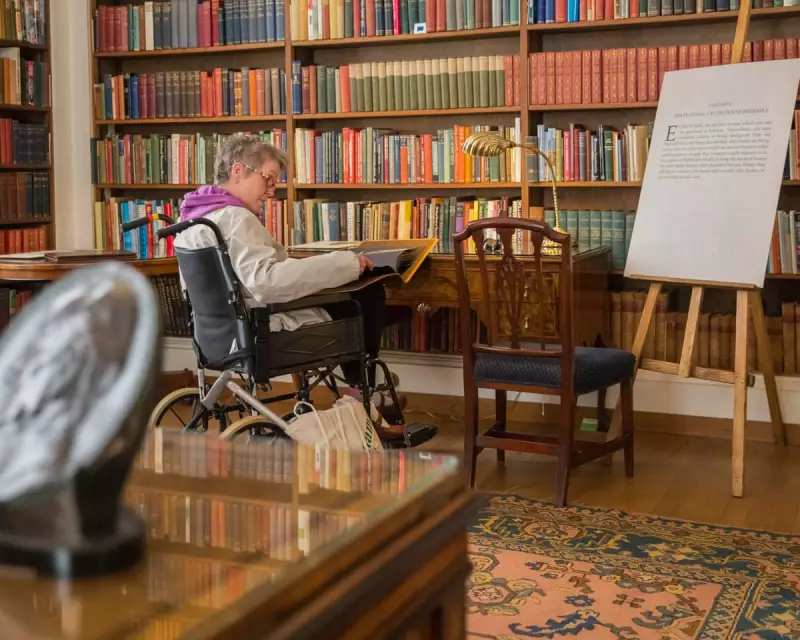
The National Trust is embarking on a significant shift in how the public experiences its cherished stately homes, moving away from a traditionally formal approach to one that encourages relaxation and engagement. This year, the conservation charity plans to open up more of its historic libraries and reading rooms for public use, allowing visitors to sit, read, and truly feel at home within these grand settings.
A Welcome Change: From 'Look, Don't Touch' to 'Make Yourself at Home'
Gone are the days when pine cones and teasels were strategically placed on chairs to deter visitors from perching. Under new plans, the Trust aims to foster a more welcoming atmosphere across its properties. Tarnya Cooper, the National Trust’s Cultural Heritage Director, emphasised the core principle: "We want people to be able to feel at home, feel relaxed and welcome. These places belong to all of us. We want people to sit down, pause, relax."
The initiative is already in motion at several flagship properties. At Wightwick Manor in the West Midlands, chairs available for public use are now marked with distinctive cat-themed cushions. Meanwhile, at Blickling Estate in Norfolk, modern children's books and non-fiction have been placed along visitor routes in rooms like the Lower and Upper Ante rooms, creating inviting spots for rest and reading.

Where Can Visitors Settle In?
The Trust is carefully identifying more locations where visitors can take a seat. This includes adding seating opportunities at:
- The Vyne in Hampshire
- Hardwick Hall in Derbyshire
- Lacock Abbey in Wiltshire
- Upton House in Warwickshire
- Dyrham Park, near Bath
Most notably for book lovers, the charity will grant physical access to the libraries themselves at Wightwick Manor, Powis Castle in mid-Wales, and Kingston Lacy in Dorset. This move transforms these historic rooms from static exhibits into living, usable spaces.
Balancing Access with Conservation
This new accessibility drive is being implemented with a careful, property-specific approach. Cooper clarified that it is "not a one-size-fits-all" policy. While robust, relatively modern furniture may be freely used, extraordinarily significant and fragile historic pieces, such as certain armchairs, sofas, and chaises longues, will remain protected. The Trust is conducting detailed assessments to determine which items can withstand public interaction.
Another aspect of improving the visitor experience involves enhancing lighting. A project to better illuminate a pair of Rubens portraits—among the glories of the Trust's art collection—and lower them for optimal viewing has already proven popular with guests.
Broader Initiatives for 2024
Beyond library access, the National Trust has announced several other key projects for the year. These include:
- Installing large screens in towns and cities to broadcast the lives of wildlife like seals, puffins, and beavers, helping urban dwellers connect with nature.
- Releasing more beavers into the wild and supporting the expansion of white-tailed eagles across England and Wales.
- Taking on the management of Heartlands in Cornwall, an eight-hectare heritage regeneration site that serves as a gateway to the Cornwall and West Devon Mining World Heritage Site.
This multi-faceted strategy represents a conscious effort by the National Trust to deepen public engagement with Britain's natural and cultural heritage, making it more relevant, accessible, and enjoyable for everyone.