Samuel Pepys Edited Letters to Conceal Bribe Offer of Enslaved Boy, Study Finds
Groundbreaking historical research has uncovered that Samuel Pepys, the famed 17th-century diarist and naval administrator, deliberately curated his personal correspondence to conceal a shocking bribe offer. According to the findings, Pepys was offered an enslaved boy as a bribe, a detail he sought to hide from posterity by editing his letters. This revelation provides a stark new perspective on Pepys's character and the pervasive corruption of the era.
Details of the Bribe and Pepys's Concealment
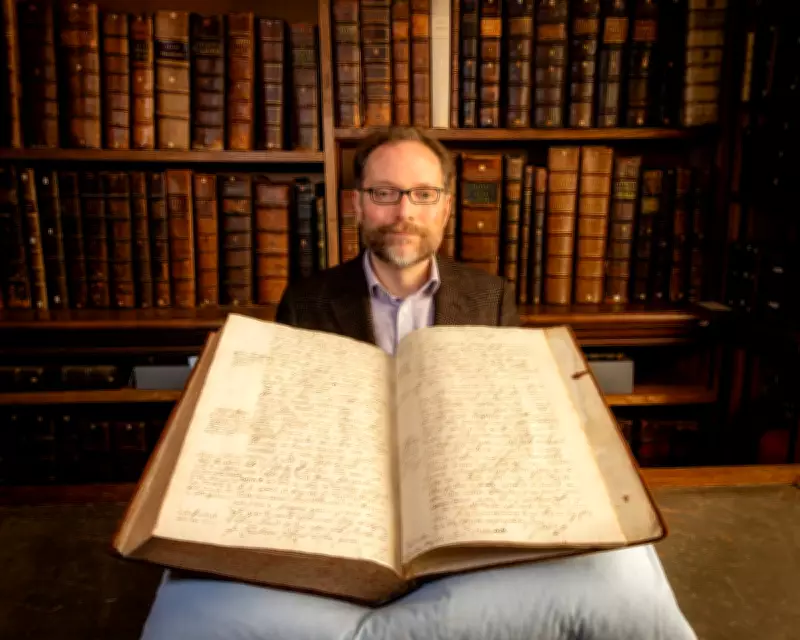
The research, conducted by historians examining Pepys's extensive archives, indicates that the bribe was proposed during his tenure as Secretary to the Admiralty. An individual seeking favor or influence within the naval administration offered Pepys an enslaved African boy as a form of payment. Pepys, known for his meticulous diary-keeping, appears to have recognized the incriminating nature of this offer. In response, he carefully edited the relevant letters, removing or altering references to the enslaved child to obscure the transaction from future readers.
This act of curation was not merely a casual omission but a calculated effort to shape his historical legacy. Pepys's diaries, celebrated for their vivid portrayal of Restoration London, already hint at his complex moral compass, but this discovery adds a darker layer. It underscores how individuals in positions of power often engaged in practices that are now condemned, while simultaneously attempting to control the narrative of their actions.

Historical Context and Implications
The 17th century was a period rife with corruption and the brutal realities of the transatlantic slave trade. Pepys's involvement, even indirectly, highlights how normalized such exchanges were among the English elite. The offer of an enslaved person as a bribe reflects the commodification of human lives and the entanglement of slavery with bureaucratic and commercial dealings in early modern Britain.
This research challenges the traditional view of Pepys as merely a curious observer of his time. Instead, it positions him as an active participant in systems of exploitation, willing to conceal evidence to protect his reputation. The findings prompt a reevaluation of other historical figures and the edited records they left behind, suggesting that many may have sanitized their legacies similarly.
Methodology and Scholarly Impact
Historians employed advanced textual analysis and comparative study of Pepys's drafts and final letters to uncover the edits. By cross-referencing these with contemporary accounts and legal documents, they pieced together the obscured narrative. This methodological rigor ensures the credibility of the conclusions, offering a model for future investigations into historical censorship.
The study contributes significantly to ongoing debates about historical memory and ethics. It emphasizes the importance of critical engagement with primary sources, recognizing that even firsthand accounts can be manipulated. For scholars and the public alike, this serves as a reminder that history is often a curated story, requiring diligent scrutiny to uncover hidden truths.
In summary, the revelation that Samuel Pepys edited his letters to hide being offered an enslaved boy as a bribe enriches our understanding of his era's moral complexities. It invites reflection on how historical figures navigate their legacies and the enduring impact of slavery on British history. This research not only deepens academic discourse but also resonates with contemporary discussions about accountability and historical transparency.