Potential Discovery of d'Artagnan's Remains in Maastricht Church
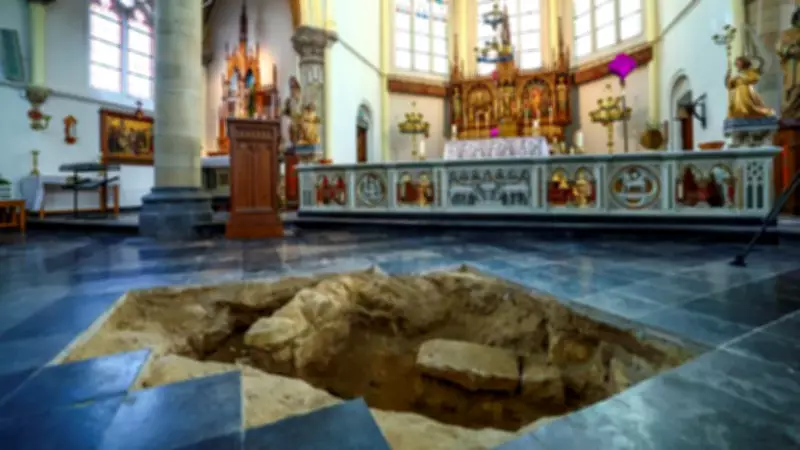
Archaeologists in the Netherlands are investigating a skeleton unearthed from beneath the floor of St Peter and Paul Church in Maastricht, which they believe could be the long-lost remains of the real-life musketeer d'Artagnan. The discovery was made after part of the church floor subsided, revealing a grave near the altar containing human bones and artifacts.
Historical Context and Evidence
The skeleton is suspected to be that of Charles de Batz de Castelmore d'Artagnan, a French nobleman who served King Louis XIV and was killed on June 25, 1673, during the French siege of Maastricht in the Franco-Dutch War. He died from a musket ball to the throat, and historical records from the time indicate he was buried in consecrated ground, aligning with the church's location near the French army campsite.
Items found with the skeleton, including a bullet fragment and a coin from the relevant period, support the theory. Jos Valke, deacon at the church, who helped uncover the remains, expressed high confidence, stating he is 99% certain it is d'Artagnan, noting the burial under an altar as a significant clue.

DNA Testing and Investigation
Experts are now conducting DNA analysis on a jawbone from the skeleton, comparing it with samples from d'Artagnan's descendants to seek a match. Archaeologist Wim Dijkman described the investigation as a top-level effort to achieve certainty about the identity. The church had previously been identified as a potential resting place for the 17th-century soldier, adding to the plausibility of the find.
Cultural Impact and Legacy
D'Artagnan gained fame over 150 years after his death through Alexandre Dumas' 1844 novel The Three Musketeers, which fictionalized his exploits. This discovery could provide new insights into the historical figure behind the literary legend, bridging fact and fiction in a remarkable way.