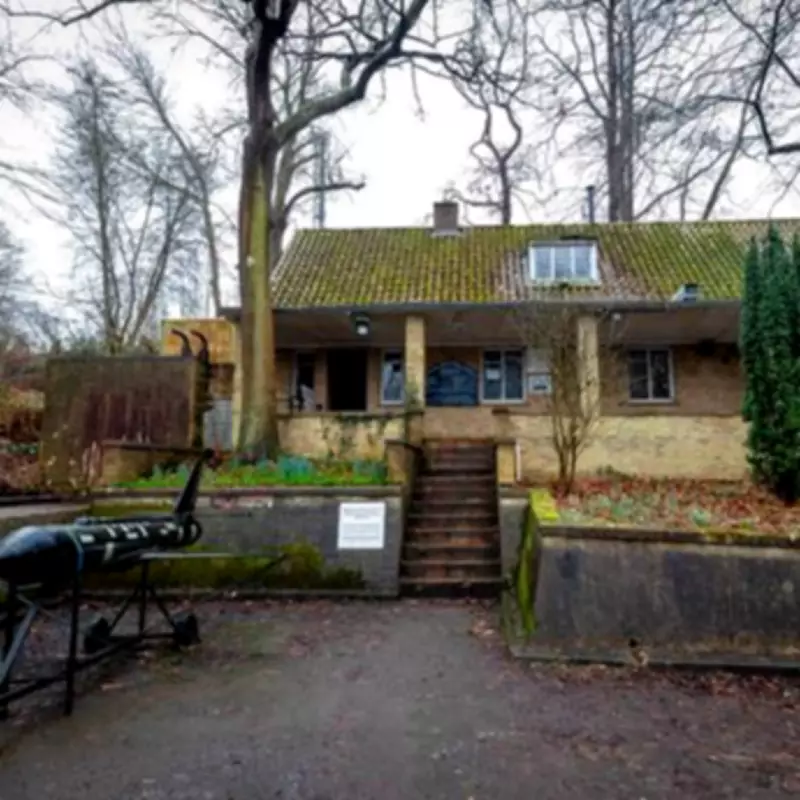
Hidden beneath an unassuming cottage in the Essex countryside, a decommissioned Cold War nuclear bunker now serves as a captivating museum open to visitors. Located in Brentwood, just an hour from London, this subterranean facility was originally constructed in the 1950s to shelter government officials and military personnel during potential nuclear attacks.
From Government Shelter to Public Attraction
Originally built during the height of Cold War tensions, the Kelvedon Hatch Secret Nuclear Bunker appears as an ordinary cottage from street level but conceals an enormous underground complex designed to function as a regional government headquarters. As a founding NATO member, Britain occupied a pivotal position in the conflict, necessitating such secure facilities to maintain essential governmental functions during emergencies.
Architectural Marvel Beneath the Surface
The bunker sits approximately 125 feet below ground, accessible through what looks like an unremarkable bungalow nestled amongst woodland. Visitors enter through a guardhouse that guides them toward a 100-yard tunnel leading to the main facility. This specially constructed bunker was capable of accommodating hundreds of military and civilian staff for up to three months, complete with independent life support systems.

The facility featured comprehensive infrastructure including:
- Advanced air conditioning and heating systems
- Independent water supply and power generators
- Sophisticated radio apparatus and secure telecommunications
- Military tracking and monitoring equipment
Multi-Level Strategic Design
The bunker's design incorporated multiple functional levels. The initial floor, approximately 80 feet beneath ground level, housed the entirety of communications equipment and the critically important 'plotting room' where personnel would monitor aircraft and analyze potential explosions around the clock.
The upper level served as living quarters containing a compact surgery, multiple washrooms, dormitories, and a substantial canteen that visitors can still see today. The middle level was designated for governmental use, originally connected to the plotting room through a large opening in the floor that allowed senior RAF controllers direct visibility of unfolding situations.
Transformation into Educational Museum
In 1992, following the end of the Cold War, the bunker was decommissioned and returned to the original landowners. The Parish family transformed the space into a museum and visitor attraction that chronicles Cold War history, though its current signage as the 'Secret Nuclear Bunker' somewhat ironically defeats its original purpose of secrecy.
Visitor Information and Accessibility
The museum operates without requiring advance bookings, allowing visitors to simply arrive and purchase tickets on the day. Admission prices are set at £15 for adults, £13 for children aged five to 16, and £38 for family tickets, with additional group discount rates available.
Operating details include:
- Open from Thursdays through Sundays
- Available throughout all school holidays and half terms
- Final entry typically permitted one hour before closing
- Weekday closing at 4pm, weekend closing at 5pm (subject to change)
This intriguing historical site offers a unique opportunity to explore Britain's Cold War preparedness and understand what would have unfolded had nuclear conflict erupted. The self-guided tours allow visitors to venture through the passages and discover the facility's original purpose while learning about this significant period in modern history.