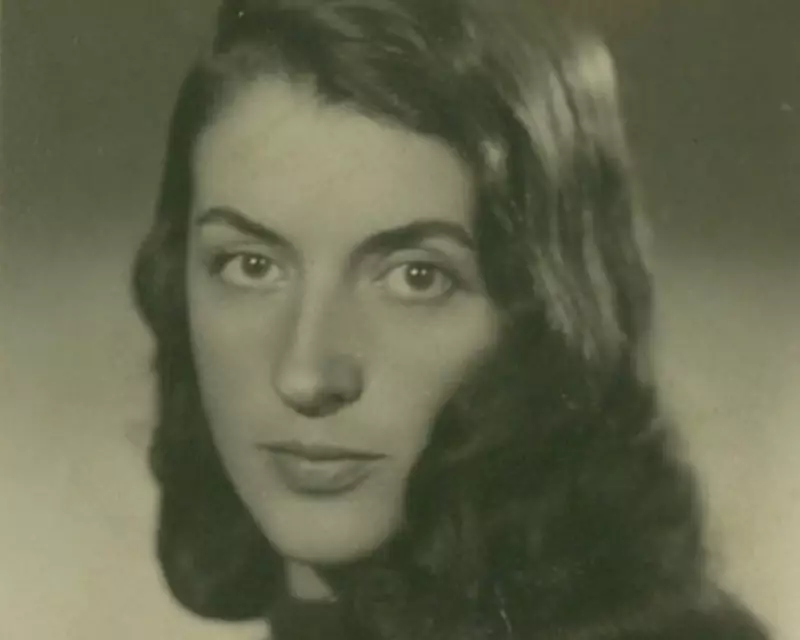
A secret love letter has revealed a surprisingly tender side to one of Britain's most notorious cold war spies, offering a poignant glimpse into the personal life of the alleged fifth man in the Cambridge spy ring.
Discovery of Hidden Correspondence
The intimate correspondence between John Cairncross and Gloria Barraclough has emerged as a centrepiece of the National Archives' new exhibition, Love Letters, opening this weekend at their Kew headquarters. For Tom Brass, Barraclough's son, the discovery proved particularly revelatory.
"My mother came from a category of women whose lives were deemed to be of little or no interest," said Brass. "But these love letters – which she tucked away in her copy of Cairncross's autobiography – show that before she was a wife and mother, she was loved by a spy for her vibrancy and intelligence."

A Spy's Unexpected Affection
Cairncross, whose spycraft significantly aided Soviet forces during the Battle of Kursk and helped turn the tide of the Second World War, was historically characterised as prickly, resentful and unsympathetic. Yet these previously unseen letters to his "Dearest Gloria" present a markedly different portrait.
In 1944, while working under Kim Philby in MI6's counter-intelligence section, Cairncross wrote: "Writing to you seems to have some magical effect on me. Your letters have a lightness, vivacity and joie de vivre … a fresh voice from an exquisite past."
Brass believes his mother was unaware of Cairncross's double life during their relationship, which began in 1937 – a year after the spy commenced his clandestine activities. "By the time I was ready to ask the questions, she had died," he reflected, suggesting she would likely have been intrigued rather than shocked by the revelation.
Exhibition of Historical Intimacy
The Love Letters exhibition brings together intimate correspondence and documents spanning more than five centuries, demonstrating how private emotions have profoundly shaped public history – and occasionally upended it entirely.
The collection includes:
- Royal confessions and clandestine affairs
- Same-sex love letters from eras before such relationships were legal
- Wills written in devotion, including Jane Austen's unusually concise 90-word testament
- Documents that altered the monarchy's course, like Catherine Howard's letter to Thomas Culpeper
Broader Historical Context
The exhibition explores diverse expressions of love throughout British history. Letters between Mary II and William III reveal the gentler side of political marriage, while Henrietta Maria's correspondence with Charles I during the Civil War speaks of tender longing and fear for a husband facing execution.
Particularly moving are the intimate words exchanged secretly between same-sex couples – correspondence that can only be displayed now because authorities originally seized and filed them as evidence for prosecution.
The exhibition also highlights collective expressions of love, such as the hundreds of letters defending Ira Aldridge, the celebrated black Shakespearean actor, against racism and exclusion. These communications demonstrate remarkable solidarity that crossed both class and national boundaries.
Personal Legacy and Public Display
For Tom Brass, seeing his mother's story integrated into this broader historical narrative has proved unexpectedly moving. "Before domestic life claimed her, my mother was seen, admired and cherished for who she was," he observed.
The exhibition provides a powerful reminder that behind historical figures and momentous events lie complex personal lives and emotional realities often overlooked by conventional historical accounts.
Love Letters runs at the National Archives in Kew, London, from 24 January to 12 April, offering visitors a unique opportunity to witness how private affections have intersected with public history across five centuries of British life.