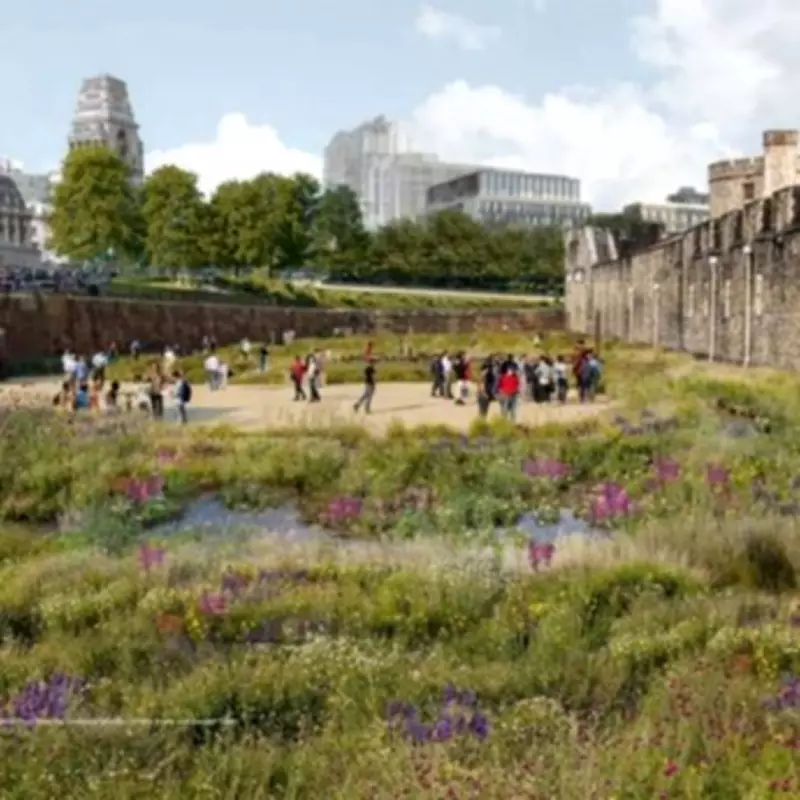
Tower of London Moat Set for Major Ecological Overhaul with Water Reintroduction
In a landmark proposal, the Tower of London's historic moat is poised for a significant transformation, with plans unveiled to reintroduce water features for the first time since the 1840s. Historic Royal Palaces, the organization responsible for managing this iconic site, has submitted detailed planning applications to Tower Hamlets Council, seeking permission to revitalize the moat into an ecologically rich landscape.
Reviving the Moat with Water and Biodiversity
The proposed redevelopment centers on water as a key element, aiming to create a dynamic environment of ponds, wetlands, meadows, and grassland areas. This initiative responds directly to contemporary challenges such as biodiversity loss and water scarcity, while reconnecting visitors with the Tower's defensive history. The moat, which has remained dry for nearly two centuries, will be transformed into a vibrant public space accessible on all three sides, featuring pathways and seating for enhanced visitor experience.
Detailed Design Features Across the Moat
The west moat will incorporate innovative "rain gardens" irrigated by historic spouts from the revetment wall, alongside an open meadow offering panoramic views and a sizable gathering space near the entrance. Along the northern side, commemorative installations will honor wartime history, including depictions of a First World War soldier emerging from planting and a Women's Auxiliary Air Force member holding a barrage balloon cable. A seating area will mark the site of the demolished North Bastion Tower, damaged during the Second World War.

The east moat will focus on educational and interactive elements, with a nature learning pond designed for school visits and activity spaces highlighting the moat's historical role in supporting daily life, food production, and industry within the Tower. This section aims to blend historical interpretation with modern ecological practices.
Learning from Past Challenges
The proposal draws lessons from recent events, particularly the summer of 2022, when the "Superbloom" wildflower installation faced difficulties due to historic heatwaves and hosepipe bans. Design documents note that emergency irrigation systems proved inadequate, leading Historic Royal Palaces to adopt more sustainable water management strategies. Future plans include utilizing water collected in a 19th-century culvert that captures stormwater to replenish wetlands during dry periods, ensuring resilience against climate variability.
Historical Context and Modern Application
The moat was originally drained in the 1840s under the order of the Duke of Wellington following outbreaks of waterborne diseases, described by the surgeon general as emitting foul odors due to contamination. It has remained dry since, except for a major flood in 1928 when the Thames overflowed. The new proposals aim to balance historical preservation with ecological innovation, creating a space that honors the past while addressing present-day environmental concerns.
Submitted to Tower Hamlets Council in February and recently made public on the council's planning website under reference number PA/26/00292/NC, the plans are now open for public comment and review. This transformation represents a significant step in reimagining one of London's most historic landmarks for future generations.