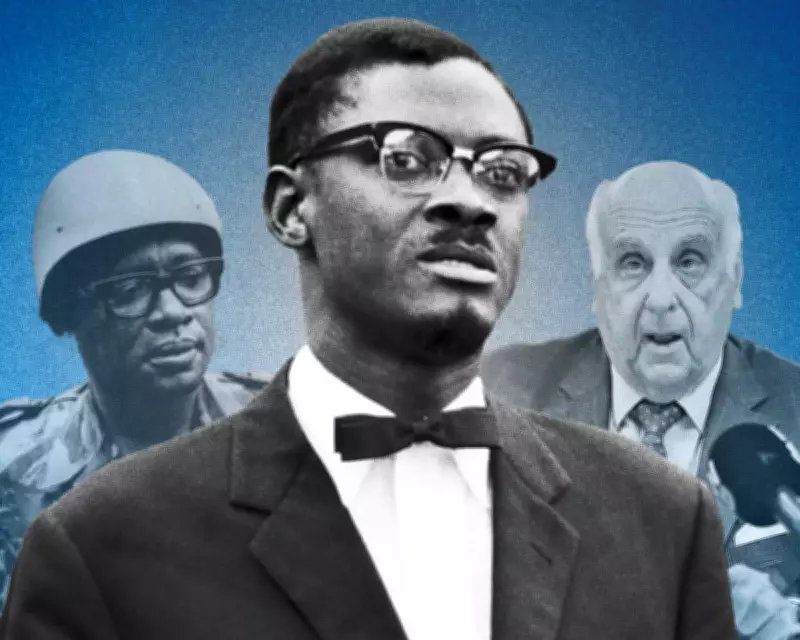
Historic Trial on Lumumba Assassination Commences in Congo
A landmark judicial proceeding has officially opened in the Democratic Republic of Congo, focusing on the 1961 assassination of Patrice Lumumba, the nation's first democratically elected prime minister. This trial represents a significant moment in Congolese history, as it seeks to uncover the full truth behind the murder that has long been shrouded in mystery and controversy.
Key Witnesses Testify About the Plot
During the initial hearings, several key witnesses have taken the stand to provide testimony regarding the intricate plot that led to Lumumba's death. Their accounts detail a complex web of involvement, suggesting that multiple parties, both domestic and international, played roles in the assassination. The testimonies are shedding new light on the events of January 1961, when Lumumba was killed under circumstances that have fueled decades of speculation and debate.
The witnesses include former associates and individuals with firsthand knowledge of the political climate at the time. Their statements are expected to reveal critical details about the planning and execution of the murder, as well as the motivations behind it. This testimony is crucial for the court as it aims to establish a comprehensive narrative of what transpired.

International Implications and Historical Context
The trial is not only a domestic matter but also carries profound international implications. Lumumba's assassination occurred during a period of intense Cold War tensions, with Congo caught in the crossfire of global power struggles. His death is widely believed to have been influenced by foreign interests seeking to control the country's vast mineral resources and political direction.
Historians and political analysts have long argued that the assassination was orchestrated with the complicity of external actors, including former colonial powers and intelligence agencies. The trial's proceedings are expected to examine these allegations, potentially implicating individuals and entities beyond Congo's borders. This aspect of the case underscores its significance as a historical reckoning with past injustices.
Legal and Political Ramifications
The commencement of this trial marks a pivotal step in Congo's ongoing efforts to address historical grievances and promote accountability. It reflects a broader movement within the country to confront its turbulent past and seek justice for victims of political violence. The legal process is being closely watched by human rights organizations and international observers, who view it as a test of the nation's judicial integrity.
Politically, the trial could have far-reaching consequences for Congo's current leadership and its relations with other countries. If the proceedings confirm long-held suspicions about foreign involvement, it may lead to diplomatic tensions and calls for reparations. Additionally, the outcome could influence public perception of the government's commitment to transparency and the rule of law.
As the trial progresses, it is anticipated that more witnesses will come forward, and additional evidence will be presented. The court's findings could reshape the historical understanding of Lumumba's assassination and its impact on Congo's development. This judicial inquiry represents a critical opportunity to bring closure to a painful chapter in the nation's history and to honor the legacy of a leader who symbolized the struggle for independence and self-determination.