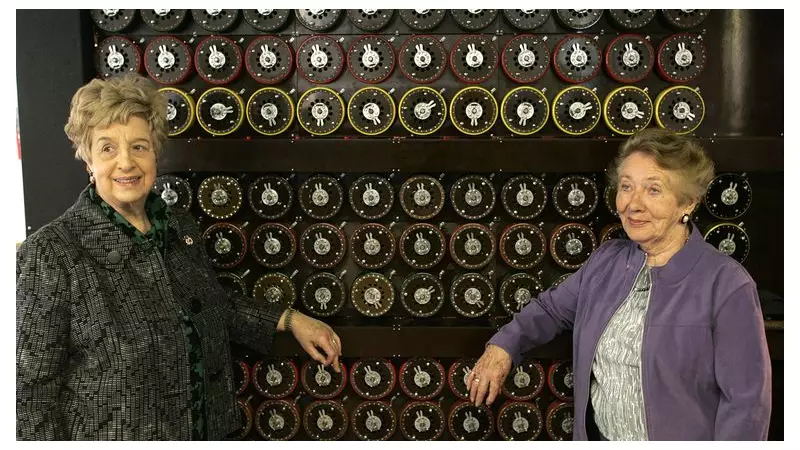
Tributes are flowing for Ruth Bourne, a Second World War codebreaker who worked on the monumental task of cracking the Nazis' Enigma cipher at Bletchley Park, who has died at the age of 99.
A Historic Contribution to Allied Victory
Ms Bourne, who grew up in Birmingham and later lived in High Barnet, north London, was called up for top-secret work at just 18 years old. She joined the Women's Royal Naval Service (Wrens) and was stationed at sites around Bletchley Park in Buckinghamshire, where she worked as a Bombe machine operator and checker.
These machines, originally developed by Alan Turing, were instrumental in deciphering encrypted German communications, particularly the complex Naval Enigma. The intelligence gleaned from this work is credited with changing the course of the war and preventing millions of deaths, enabling key Allied victories.

From Secret Work to Sharing Her Story
For decades, the vital work of Bourne and thousands of others remained shrouded in secrecy. Once that veil was lifted, she became a passionate advocate for sharing Bletchley Park's history. She returned to the site as a tour guide, dedicating much of her later life to explaining the human stories behind the codebreaking effort.
In 2018, her service was recognised with France's highest military honour, the Legion d'honneur. Iain Standen, CEO of the Bletchley Park Trust, said she spoke about her work with "honesty and warmth", bringing the story to life for countless visitors and audiences.
Remembering a Remarkable Life
The Taxi Charity for Military Veterans led tributes, stating on Facebook: "Ruth's contribution to the monumental task of breaking the Enigma cypher was truly historic." The charity added that she was "a remarkable woman with immense charm and charisma" who would be dearly missed.
In a poignant reflection ahead of the 80th anniversary of VE Day this year, Bourne recalled the "electric buzz" and riotous celebrations in London on 8 May 1945. She described the bonfires as representing "the light after years of darkness", a night of conga lines and hard partying that remained among her fondest memories.
Her work, alongside that of her colleagues, not only provided crucial wartime intelligence but also sparked the industrialisation of codebreaking and helped lay the foundations for the development of modern computers. Ruth Bourne's story is a powerful reminder of the often-unsung heroes whose intellect and dedication helped secure freedom.