Adele Bertei's 'No New York' Memoir: A Vivid Journey Through No Wave
Adele Bertei might not be a household name, but her memoir No New York delivers an essential and vibrant slice of New York's bohemian history. As a former member of the experimental jazz-punk band the Contortions and the singer behind the pop-house single Build Me a Bridge, Bertei provides a unique perspective on the city's underground music scene. Her relative obscurity allows the narrative to shine without the weight of preconceived cultural baggage, making this book a compelling read for music enthusiasts.
Arrival in a City on Its Knees
Bertei arrived in Manhattan in 1977, a time when New York was grappling with severe challenges. The city faced literal fires and a municipal debt crisis, yet it remained a creatively open environment in the post-Warhol era, before the AIDS epidemic took hold. Her troubled, itinerant upbringing led her to search for artistic identity, and she quickly immersed herself in the alternative scene.
Her writing vividly captures encounters with counter-culture icons, reminiscent of the hip, young gunslinger style of the NME. She describes Joey Ramone as "an anorexic hermaphrodite, replete with sex appeal" and Alan Vega from Suicide as "Al Pacino dolled up as a gay hustler." Through friendships with figures like music critic Lester Bangs and Pere Ubu member Peter Laughner, Bertei explores the painful dichotomy of their lives, marked by non-stop drinking and drug use to dull the sting of existence.

The No Wave Scene and Creative Awakening
Bertei's creative awakening came through the "no wave" music scene, which she likens to "Dada brutalism" and a "negation of every way that had come before." Intrigued yet repelled by its sounds, she joined the Contortions on keyboards. Band leader James Chance was a provocateur known for slapping audience members, and even revered A&R man Clive Davis fled after hearing one discordant song.
This challenging music expressed a darker collective reality. Bertei writes, "We all seemed so young, vital, curious and cocky ... life had already beaten the hell out of us and now, we were beating back." Her own childhood was shadowed by her stepfather's abuse and her mother's schizophrenia, leading to a tendency to suppress past hurts.
Barriers of Femaleness and Queerness
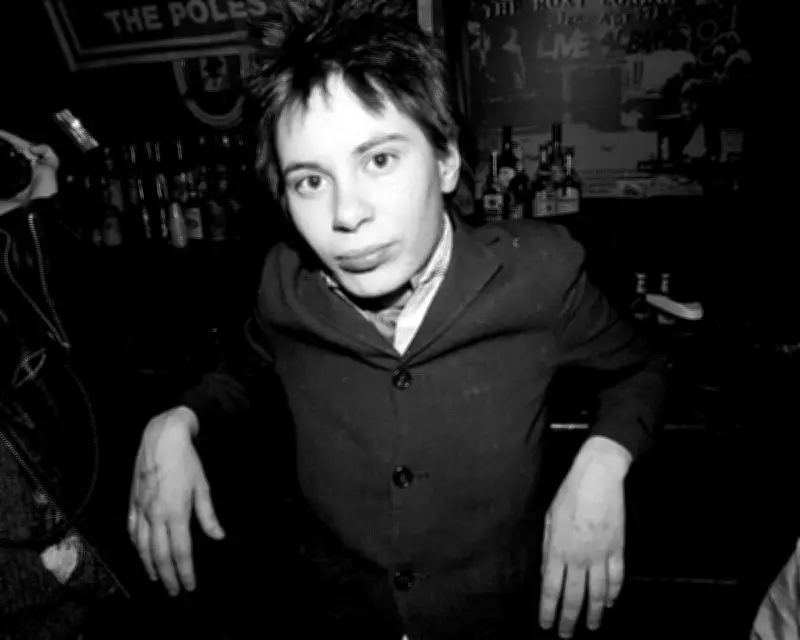
Bertei highlights how femaleness and queerness posed significant barriers in the music industry. Despite the no wave scene featuring many bands with female members, sexism and homophobia were rampant, with gayness often being "verboten." She rejected traditional femininity, adopting a "tough boy gamine with an attitude" persona that was constantly questioned.
Through relationships with photographer Nan Goldin and designer Anya Phillips, she attempted to expand her personal boundaries, but revelations were often stifled by substance abuse. "Emotional intimacy terrified me," she confesses, "I was afraid I'd be discovered as the broken-hearted, unloved girl lurking inside my skin."
The Decline of No Wave and Cultural Shifts
The spread of heroin, the emergence of AIDS, and gentrification ultimately led to the demise of the no wave scene. Artists without financial means were forced out as properties became unaffordable. As the book progresses, the initial wildfire energy dissipates when Bertei is no longer at the heart of the action, instead witnessing subsequent cultural moments from the sidelines.
A series of near misses marked her later years: a screen test for the cult classic Times Square that didn't lead to a role, brief competition with Madonna over a solo single, and working as a personal assistant for Brian Eno without making music together. These experiences mirror the slow fade of the scenes she lived through.

Essential Reading for Music Lovers
Despite its gradual conclusion, No New York remains a vivid and visceral account that is essential reading for anyone with an interest in alternative music. Bertei's memoir not only documents a pivotal era in New York's cultural history but also delves into personal struggles with identity, trauma, and creativity. Published by Faber, this book offers a powerful glimpse into the women who shaped the no wave scene and the enduring impact of their artistry.