Angela Tomaski's Debut Novel 'The Infamous Gilberts' Explores Family Legacy Through Decaying Gothic Mansion
Angela Tomaski's debut novel, The Infamous Gilberts, presents a delicious comfort read that masterfully intertwines themes of loyalty, despair, and the gentle questioning of progress. Set against the backdrop of Thornwalk, a crumbling stately home on the verge of transformation into a luxury hotel, the story unfolds through the eyes of Maximus, the last guardian of the house and loyal valet to the old master.
A House Full of Stories and Secrets
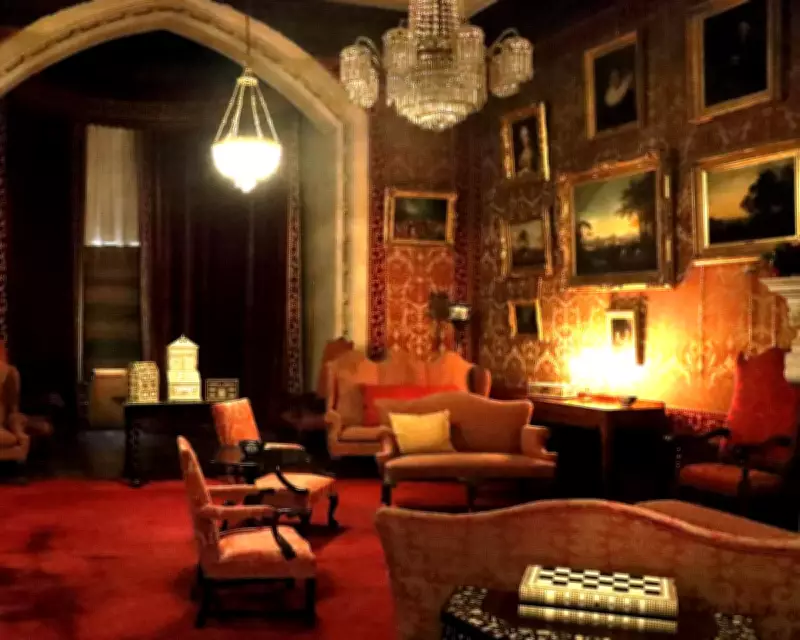
Inspired by the National Trust's 2002 acquisition of Tyntesfield, a sprawling gothic mansion near Bristol purchased just weeks after the death of its reclusive resident baron, Tomaski's novel is a quarter-century in the making. Much like Tyntesfield, which contains at least 47,154 catalogued items, The Infamous Gilberts is structured around objects and their absences, with seventy chapters each corresponding to an item or missing artifact.
Maximus guides readers on a final tour through Thornwalk, revealing the lost lives, loves, and brass buttons of the titular Gilberts. The family includes Lydia, the eldest girl desperate to fall in love; Hugo, the stubborn eldest son; poor little Annabel, dreaming of writing; quiet runaway Jeremy; and unstable actor Rosalind. Room by room, trinket by trinket, stain by stain—from blackcurrant to blood—the narrative delves into one hundred years of family life before it vanishes forever.

The Power of Objects and Memory
The novel is a veritable feast of small things: Monopoly pieces, ammonites, baby clothes never worn. Every object, no matter how broken or aged, holds precious value because of the people who touched, used, or abandoned it. When new owners plan to replace the carpet with an exact replica, Maximus humorously notes that the original is fifty per cent Gilbert DNA ... and the scurf of fifteen beloved Labradors and one Miniature Schnauzer with dermatitis.
Tomaski's narrative voice, channeled through Maximus, is reverent and drily funny, reminiscent of The Remains of the Day with the horror stripped out. While Maximus's character may not be startlingly original, Tomaski's pitch-perfect rendering of the familiar family retainer demonstrates great skill and deftness. The novel joins the ranks of other comfort reads with skeletons in the cupboard, such as Joanna Quinn's The Whalebone Theatre and Lissa Evans's Small Bomb at Dimperley.
A Genre Executed with Precision
In a genre as comfortably crowded as a Victorian sitting room, Tomaski doesn't attempt to write something entirely new. Instead, she executes the familiar with such diligence that she sets a new standard. The book is impeccable in its precision—as meticulously rendered as a collector's doll's house and as poised as a museum diorama. Everything is drawn out and ordered with the same love and care that Maximus has for Thornwalk and for Hugo.
However, like all exquisite small plates, there's a slight yearning for something more substantial—a longing for salty, fatty, filling elements to cut through the elegant wistfulness. While the novel features axes, asylums, escapes, affairs, missing children and adults, madness, betrayal, and despair, Maximus's distancing narration keeps readers curiously insulated from intense plot developments. That will do, I think, he says when nearing emotional exposure, maintaining a safe distance of class and time that makes it hard to feel anyone was ever in danger, even as they die before our eyes.
Looking Toward Tomaski's Future
A lot more could be said, Maximus remarks at one point, but I shall not say it. As a debut, The Infamous Gilberts raises questions about what comes next for Angela Tomaski. What will happen when she permits herself to say the unsayable? What will she write when she turns her gimlet eye for precision and perfect detail from objects to people? The novel, published by Fig Tree at £16.99, establishes Tomaski as a writer to watch, skillfully navigating the enduring lure of the decaying big house and its family secrets.