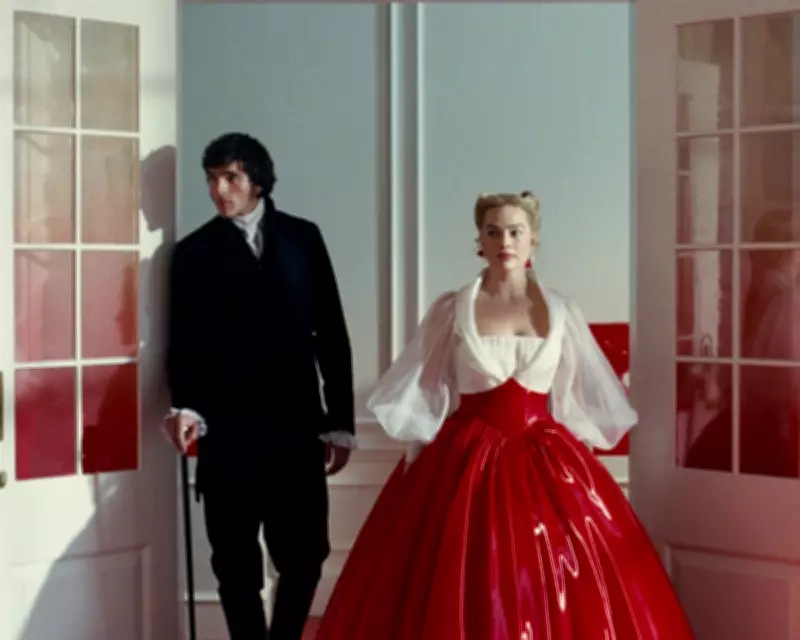
Australian Newspaper's Wuthering Heights Review Sparks Intense Literary Debate
An Australian newspaper has recently published a review of the classic novel Wuthering Heights by Emily Brontë, written by author Nikki Gemmell, which has ignited a significant controversy in literary and media circles. The review, featured in the publication's comment section, has drawn sharp criticism from readers and critics alike, who are questioning its analytical depth and cultural appropriateness.
Content and Criticism of the Review
In her review, Nikki Gemmell offers a personal interpretation of Wuthering Heights, delving into themes of passion, revenge, and the wild Yorkshire moors. However, many literary experts have argued that the review lacks a rigorous scholarly approach, with some describing it as overly subjective and lacking in historical context. Critics have pointed out that the analysis may not adequately address the novel's complex characters, such as Heathcliff and Catherine, or its enduring impact on English literature.
Furthermore, the review has been scrutinized for its potential cultural biases, with commentators suggesting that an Australian perspective might not fully capture the nuances of a 19th-century British literary work. This has led to broader discussions about the role of international media in critiquing canonical texts and whether such reviews should adhere to more traditional academic standards.

Broader Implications for Media and Literature
The controversy extends beyond the review itself, touching on issues of media integrity and literary criticism in the digital age. Some observers have noted that this incident highlights the challenges newspapers face in balancing accessible commentary with informed analysis, especially when dealing with revered classics. The debate has also raised questions about how publications select reviewers and the criteria used to evaluate their contributions.
In response, the Australian newspaper has defended the review, emphasizing its commitment to diverse voices and opinion pieces that encourage public engagement with literature. Nonetheless, the backlash has prompted calls for more transparent editorial processes and a reevaluation of how cultural works are discussed in mainstream media.
This incident serves as a reminder of the powerful role that newspapers play in shaping public discourse on literature and the arts. As the conversation continues, it underscores the importance of thoughtful criticism that respects both the original work and its global audience.