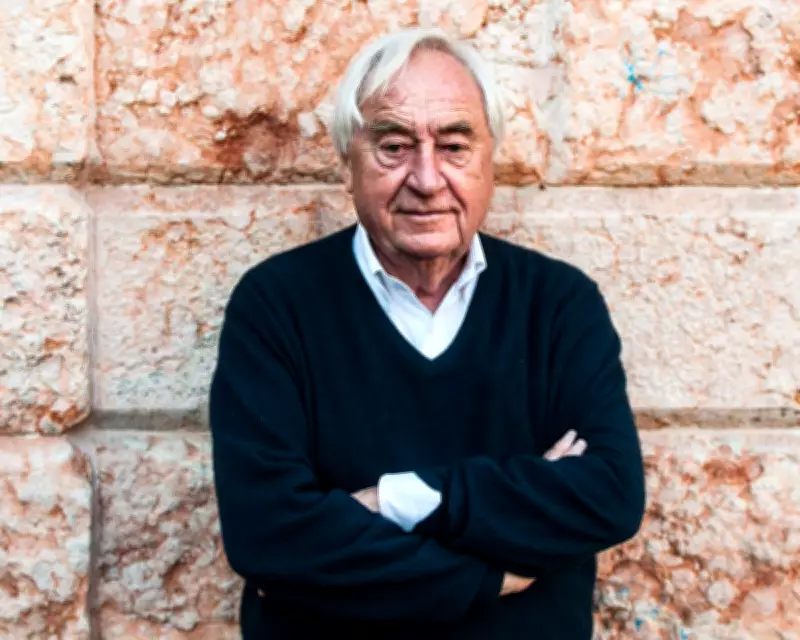
Dutch author Cees Nooteboom's novel 'All Souls' Day' stands as a significant work in contemporary literature, delving deeply into the intricate themes of memory, loss, and historical consciousness. Published in recent years, this book has garnered attention for its reflective and poignant narrative, which resonates with readers on both personal and universal levels.
Plot and Themes
The novel follows the journey of its protagonist, Arthur Daane, a documentary filmmaker who grapples with the sudden death of his wife. Set against the backdrop of Berlin, the story unfolds as Arthur navigates his grief while working on a film about the city's turbulent history. Nooteboom masterfully intertwines Arthur's personal sorrow with broader reflections on Europe's past, particularly the impact of World War II and the Holocaust.
Through Arthur's experiences, the novel explores how memory shapes identity and how individuals cope with trauma. The title 'All Souls' Day' references the Catholic holiday dedicated to remembering the deceased, symbolizing the book's focus on remembrance and mourning. Nooteboom's prose is noted for its lyrical quality and philosophical depth, inviting readers to ponder the nature of time and the persistence of history in everyday life.

Critical Reception and Impact
Since its publication, 'All Souls' Day' has received widespread critical acclaim for its intellectual rigor and emotional resonance. Literary critics have praised Nooteboom's ability to blend personal narrative with historical analysis, creating a work that is both intimate and expansive. The novel has been described as a meditation on the ways in which past events continue to influence the present, offering insights into the collective memory of post-war Europe.
In the literary community, Nooteboom is celebrated for his contributions to Dutch and European literature, with 'All Souls' Day' often cited as one of his most important works. The book has been translated into multiple languages, expanding its reach and allowing a global audience to engage with its themes. It has also sparked discussions in academic circles about the role of literature in processing historical trauma and the ethics of memory.
Author Background and Context
Cees Nooteboom, born in 1933, is a renowned Dutch writer known for his novels, poetry, and travelogues. His works frequently explore themes of travel, identity, and history, reflecting his own experiences as a global traveler and observer of cultural shifts. 'All Souls' Day' builds on these interests, showcasing Nooteboom's skill in crafting narratives that bridge the personal and the political.
The novel's setting in Berlin is particularly significant, as the city serves as a symbol of division and reconciliation in European history. Nooteboom uses this location to examine how places can hold memories of conflict and healing, adding layers of meaning to Arthur's story. This contextual richness enhances the book's relevance in discussions about contemporary Europe and its ongoing reckoning with the past.
Overall, 'All Souls' Day' by Cees Nooteboom offers a compelling exploration of grief and memory, making it a noteworthy addition to modern literary canon. Its thoughtful prose and thematic depth ensure that it continues to be read and studied by those interested in the intersections of literature, history, and human experience.