How Entertainers Became Balm for a Shellshocked Nation
In his compelling new historical work, Camden-based writer Alwyn Turner examines the vital role entertainers played in helping Britain recover from the psychological scars of war. "A Shellshocked Nation: Britain Between the Wars" moves beyond traditional political narratives to spotlight how music and performance provided essential emotional healing for a traumatized population.
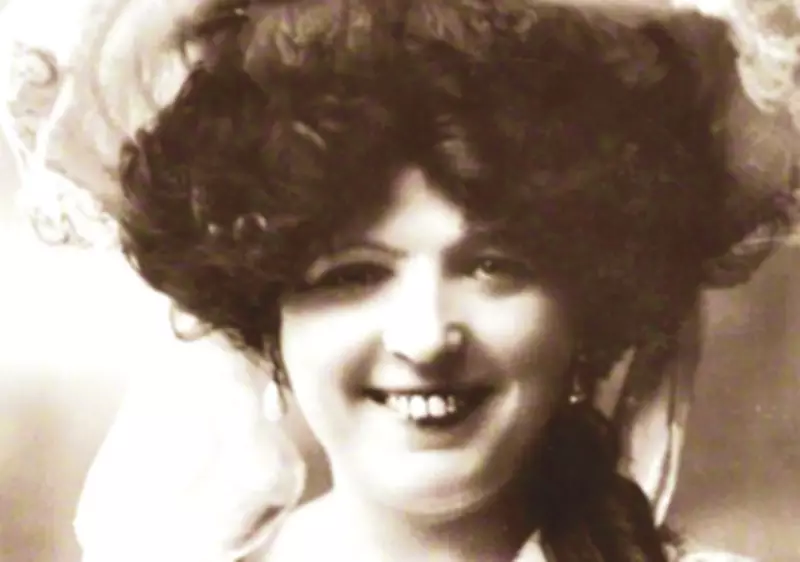
The Extraordinary Legacy of Marie Lloyd
The funeral of beloved singer and comedienne Marie Lloyd in October 1922 became one of Camden's most significant public gatherings. More than 50,000 mourners lined the streets for the two-mile procession to Hampstead Cemetery, with an additional estimated 120,000 fans making pilgrimages to her grave in subsequent weeks.
Born in Hoxton, Marie Lloyd had maintained her position as "Queen of the Music Halls" for three decades through hundreds of performances and international tours. Turner reveals that by February 1920, when she turned fifty, the relentless pace had taken a serious toll on her health.

"For three decades she'd been the 'Queen of the Music Halls' maintaining her position with hundreds of performances," Turner writes. "There were also extensive international tours and the assistance of alcohol – though not as much as any of her three husbands tended to drink."
Marie first gained fame as a cheeky, flirtatious cockney performer singing risqué songs like What's That For, Eh? and Among My Knick-Knacks, with My Old Man (Said Follow the Van) and Oh, Mr Porter becoming her most enduring hits.
A Nation's Emotional Anchor
Turner documents how Marie Lloyd's health deteriorated seriously in her final years, with doctors giving her just three months to live in summer 1921 due to heart and kidney conditions. Despite medical warnings, she returned to the stage in early 1922, only to break down in tears during a performance in Cardiff.
When police at Hampstead Cemetery had to close the gates during her burial due to overwhelming crowds, newspapers struggled to articulate what made Lloyd so special. American poet T.S. Eliot, writing from Bloomsbury in The Dial magazine, captured it perfectly: "It was, I think, this capacity for expressing the soul of the people that made Marie Lloyd unique and that made her audiences, even when they joined in the chorus, not so much hilarious as happy."
Wartime Resilience Through Performance
Turner's book explores how entertainment provided crucial emotional support during both world wars. Sir Harry Lauder, knighted for his charitable work during the First World War, wrote Keep Right On to the End of The Road in 1924 in memory of his son Captain John Lauder, killed in December 1916.
"The death of Lauder's son John threw a completely new light on the song," Turner observes, noting that the Scotsman frequently stayed at The Pennington Hotel in Bloomsbury while performing in London.
Quirky Characters and Cultural Shifts
Among the book's more colorful characters is Queenie Day, who lived at Carleton Road in Tufnell Park in 1937. Her home backed onto Holloway Prison, then Britain's largest women's prison, allowing her to converse with incarcerated friend Elsie Carey until prison authorities intervened and moved Elsie to a less accessible cell.
Turner also documents significant cultural transitions, including the BBC's 1932 move from Savoy Hill near Waterloo Bridge to the newly constructed Broadcasting House above Oxford Circus. The first transmission featured future band leader Henry Hall announcing, "Hello everyone, this is Henry Hall speaking," before his band launched into It's Just The Time For Dancing.
Continuing Historical Exploration
Alwyn Turner, who lives near Camden Lock and enjoys walking in Regent's Park, is already working on his next project—a novel about post-war Britain in the 1950s, possibly titled after the Johnny Kidd and the Pirates record Shakin' All Over.

His previous work, Little Englanders: Britain in the Edwardian Era, received critical acclaim for its clear appraisal of music hall culture, where audiences would frequently shout at performers. Turner's latest book expands this exploration to show how entertainment became therapeutic necessity for a nation recovering from losing nearly a million lives in the Great War.
A Shellshocked Nation: Britain Between the Wars by Alwyn Turner is published by Profile Books and available for £25.