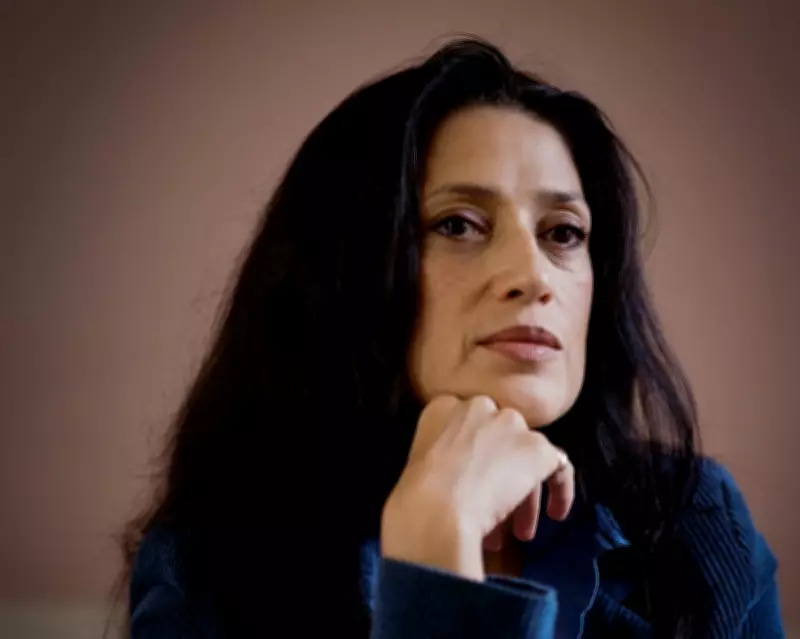
Fatima Bhutto Breaks Silence on Secret Abusive Relationship
Fatima Bhutto, the acclaimed Pakistani author and journalist, has revealed a shocking chapter from her personal life in her forthcoming memoir, The Hour of the Wolf. In a candid interview, Bhutto discusses the decade-long abusive relationship she endured, which she kept hidden from everyone around her while maintaining her public image as a writer, activist, and member of Pakistan's most famous political dynasty.
From Pandemic Project to Personal Revelation
Initially, Bhutto's memoir was going to focus almost entirely on her relationship with her dog, Coco. The pandemic had forced a creative unravelling, and she found herself only able to write about her canine companion. Her agent gently suggested the manuscript needed more substance. After abandoning a second draft, Bhutto had an epiphany: "What if I just tell the truth?"
In approximately three weeks, she completely reworked her draft, revealing the painful story she'd kept secret for years. The resulting book is a raw, vulnerable account of what she now recognises as an abusive relationship that lasted eleven years.

The Man Who Controlled Her Life
Bhutto met the man she refers to only as "The Man" in New York in 2011, while promoting her explosive family memoir, Songs of Blood and Sword. Their relationship was long-distance, meeting about once a month over eleven years, which suited Bhutto's peripatetic lifestyle as a journalist and speaker at international literary events.
Despite her professional success - including being nominated for the Women's Prize for Fiction - The Man became increasingly controlling. His behaviour oscillated between dazzling charm and demonic rage, with Bhutto describing how he would switch between these extremes without warning. He isolated her from friends and routinely humiliated her in public settings, from restaurants to shops to holidays.
Why She Stayed Silent
"I thought it could never happen to me," Bhutto explains, reflecting on why she didn't recognise the abuse sooner. She believed the cliche of breaking a strong woman was too obvious, and because the abuse wasn't primarily physical (though she recounts one incident where he bit her finger so hard it caused nerve damage), she didn't connect her experience with stories of domestic abuse.
The relationship's secretive nature was central to its dynamic. The Man insisted they remain hidden, avoiding normal couple behaviours like meeting each other's friends or family, living in the same city, or sharing a home. This secrecy played into Bhutto's existing need for privacy, shaped by her dangerous upbringing as a Bhutto.
Family Trauma and Political Legacy
Bhutto's childhood was marked by political violence and instability. Her grandfather, Zulfikar Ali Bhutto, was executed in 1979 after a military coup. Her uncle Shahnawaz died under suspicious circumstances in 1982, and her father, Murtaza Bhutto, was killed in a police shootout in 1996 when Fatima was just fourteen.
This traumatic background created patterns that made her vulnerable to The Man's manipulation. "The need for secrets? I understood that because I have had to live like that," she explains, describing how her father would frequently whisk her away on sudden "adventures" with moments' notice for security reasons.
Breaking Free and Finding Happiness
The relationship ended in 2021 when Bhutto, then 39, finally realised The Man would never give her what she needed - particularly her desire to start a family and put down roots. She left him, met her husband Graham in 2022, and has since had two sons within three years.
Bhutto emphasises that writing the memoir was difficult due to feelings of shame and embarrassment, but necessary. "I also know that if I'd read something like this, it would have helped me," she says, hoping her story might assist others in similar situations.

Current Focus and Future Directions
Despite processing this personal trauma, Bhutto remains deeply engaged with global issues. For the past two years, she has been almost completely dedicated to amplifying voices from Gaza, editing the blistering essay collection Gaza: The Story of a Genocide, published in October 2023.
Her experience has made her more compassionate, she notes, "but it just kind of rips you open in a new way." While she acknowledges the family tradition of political involvement, Bhutto has no desire to enter politics herself, valuing what little privacy she has left after a lifetime in the public eye.
The Hour of the Wolf stands as a powerful testament to the fact that strength, accomplishment, and intelligence offer no protection against coercive control. Bhutto's calm, measured prose makes the cruelty she experienced all the more harrowing, serving as a necessary reminder that abuse can happen to anyone, regardless of their public persona or personal achievements.