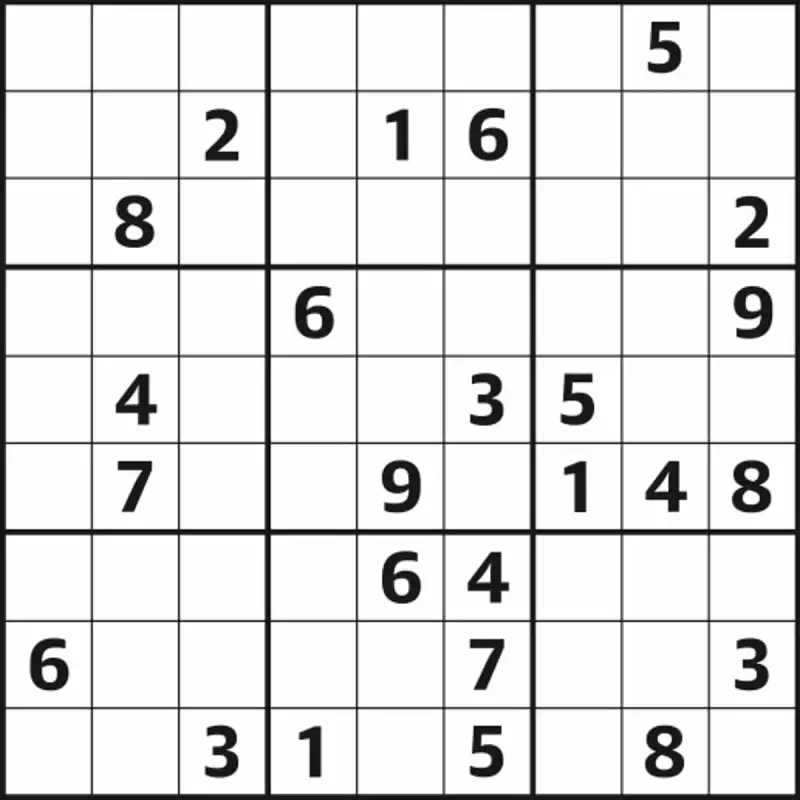
The latest numerical conundrum from The Guardian, Sudoku 7167, is proving a formidable test for puzzle aficionados across the United Kingdom. Published on the paper's website, this grid carries the daunting label of 'hard', setting the stage for a serious mental workout. For dedicated solvers, it represents the next challenge in a long-running series that has become a staple of the nation's puzzle diet.
A Detailed Look at the Challenge
Sudoku 7167 follows the classic 9x9 grid format, divided into nine 3x3 sub-grids or 'boxes'. The objective remains unchanged: fill every row, column, and box with the digits 1 to 9, ensuring no number repeats. What elevates this particular puzzle to its 'hard' classification is the specific arrangement of the given clues. The starting configuration, with its strategically placed numbers, demands advanced solving techniques beyond simple elimination.
Solvers will likely need to employ strategies such as 'pencil marking' potential candidates for empty cells and then using logic patterns like 'hidden pairs' or 'X-Wings' to progress. The puzzle's difficulty lies not in complex arithmetic, but in the deductive reasoning and pattern recognition required to see the path forward. It is a pure exercise in logic, where each correctly placed digit gradually unlocks the next part of the grid.

The Enduring Appeal of Sudoku in the UK
This puzzle's publication underscores the enduring popularity of Sudoku within British culture. Since sweeping into the UK from Japan in the early 2000s, it has become a daily ritual for millions, featuring prominently in national newspapers and dedicated puzzle books. The Guardian's regular offering, with its clear difficulty ratings, caters to everyone from casual beginners to hardened experts seeking a substantial challenge.
The appeal is multifaceted. For many, it serves as a mental warm-up or a moment of focused calm during the day. For others, it is a competitive pursuit against the clock or a personal quest to conquer the hardest-rated puzzles. Sudoku 7167 sits squarely in this tradition, offering a structured and satisfying problem that provides a clear sense of accomplishment upon completion.
Why 'Hard' Puzzles Matter
Puzzles like Sudoku 7167 do more than just pass the time. Cognitive scientists often highlight the benefits of regularly engaging with logic-based problems. They can help maintain mental agility, improve concentration, and enhance short-term memory. Tackling a 'hard'-rated grid pushes these cognitive muscles further, requiring sustained attention and flexible thinking. It is a form of brain training that is both accessible and deeply engaging.
Furthermore, the communal aspect should not be underestimated. Thousands of solvers across the country will be attempting the same grid, sharing in the collective frustration and eventual triumph. Online forums and social media often buzz with discussions about strategies for particularly tricky puzzles, creating a virtual community of enthusiasts.
In conclusion, The Guardian's Sudoku 7167 is more than just a grid of numbers; it is a benchmark for logical prowess and a testament to the UK's lasting love affair with puzzles. Its 'hard' designation is a siren call to those who relish a rigorous mental challenge. Whether solved over a morning coffee or during an evening unwind, conquering this puzzle delivers a unique and quiet victory, proving once again the simple power of logic and patience.