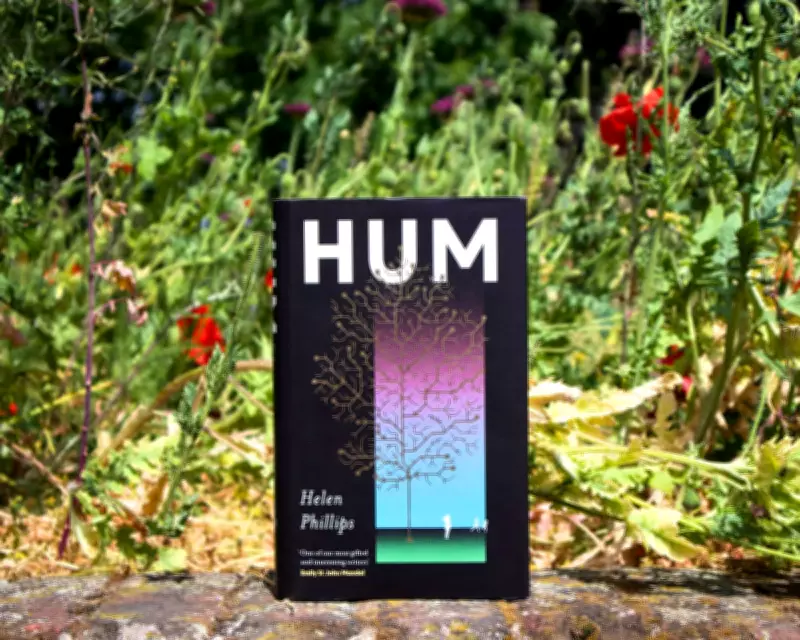
Helen Phillips has been awarded the Climate Fiction Prize for her novel Hum, a story set in a near-future world profoundly altered by climate change and technology. The prize, now in its third year, recognizes outstanding literary works that engage with the climate crisis.
A Dystopian Vision
Hum follows a family navigating a world where environmental degradation and artificial intelligence have reshaped daily life. The protagonist, a mother, struggles to protect her children in a society where surveillance and ecological collapse are intertwined. Phillips' narrative explores themes of love, resilience, and moral ambiguity in the face of planetary change.
Judge's Praise
The judging panel, chaired by author Amitav Ghosh, praised the novel for its "visceral and intimate portrayal of a future that feels both terrifying and plausible." Ghosh noted that Hum "captures the emotional and ethical complexities of living through an era of environmental upheaval."

Significance of the Prize
The Climate Fiction Prize, established by a group of environmental activists and literary figures, aims to highlight fiction that addresses climate change in compelling ways. Past winners include Richard Powers and Jenny Offill. The prize comes with a £10,000 award and a commitment to promote climate literacy through literature.
Phillips' Response
Upon receiving the award, Phillips emphasized the role of storytelling in confronting the climate crisis. "Fiction allows us to imagine different futures and question our present choices," she said. "I hope Hum encourages readers to think critically about the world we are building."
The novel has been praised for its lyrical prose and nuanced characters. Critics have highlighted its ability to make abstract environmental issues feel personal and urgent. Hum is published by W.W. Norton & Company.