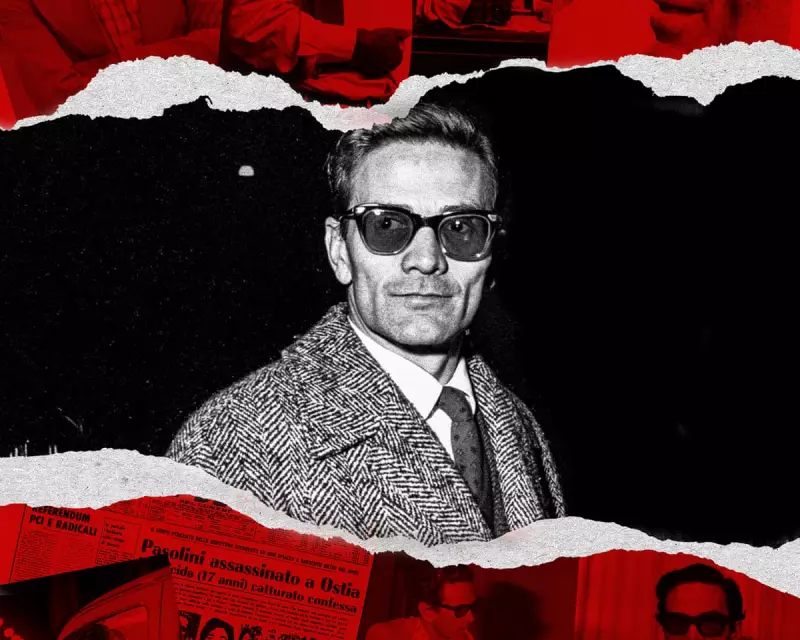
Half a century has passed since the brutal murder of Pier Paolo Pasolini, yet the Italian director's stark warnings about the insidious nature of fascism resonate with unnerving clarity in our contemporary world. The visionary filmmaker, whose life was cut short in 1975, foresaw political currents that would shape the decades to come.
Pasolini understood that fascism wasn't merely a historical relic but a shape-shifting force capable of reinventing itself for new generations. His prescient observations about consumer culture, political language, and social conformity feel less like historical analysis and more like commentary on today's headlines.
The Unheeded Prophet
Long before it became conventional wisdom, Pasolini recognised how fascism could shed its brown shirts and jackboots to emerge in new, more socially acceptable forms. He warned of a 'new fascism' that wouldn't need to ban free speech because it would make criticism seem irrelevant through the sheer force of consumerist conformity.

His final interview, given just hours before his death, reads like a political testament that transcends its time. Pasolini spoke of the 'anthropological mutation' of Italian society—a transformation he believed was more dangerous than the historical fascism of Mussolini.
Art as Political Weapon
Through controversial films like Salò, or the 120 Days of Sodom, Pasolini used shocking imagery to expose the brutal mechanics of power. He believed that true fascism in the modern age would operate through subtle cultural shifts rather than overt political violence.
His work challenged the comfortable assumption that fascism had been definitively defeated in 1945. Instead, he suggested it had simply evolved, finding new ways to enforce conformity and crush individuality.
A Legacy That Demands Attention
Five decades later, as political polarization deepens and authoritarian rhetoric gains mainstream acceptance, Pasolini's insights feel urgently contemporary. His ability to see beyond the political surface to the cultural underpinnings of power makes his work essential reading for understanding our current moment.
The questions Pasolini raised about the relationship between consumer capitalism, media, and political control remain profoundly unsettling—and perhaps more relevant than at any time since his death.