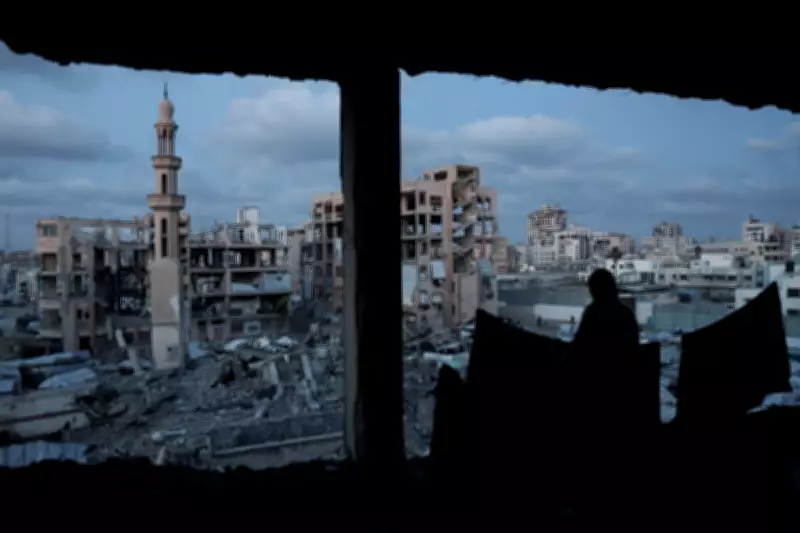
In a groundbreaking academic initiative, twenty poetry students from Gaza have enrolled at the University of Glasgow, marking a historic move that brings voices from one of the world's most conflict-ridden regions to a Scottish institution. The programme, spearheaded by Professor Alison Phipps, aims to provide educational opportunities to those affected by war and displacement.
Background of the Initiative
The University of Glasgow, known for its commitment to human rights and social justice, collaborated with various organisations to facilitate the enrolment. The students, who have faced immense challenges due to the ongoing conflict in Gaza, will pursue studies in poetry and creative writing. This initiative not only offers academic growth but also a platform for their voices to be heard globally.
Professor Alison Phipps' Role
Professor Alison Phipps, a renowned scholar in refugee studies and intercultural relations, played a pivotal role in establishing the programme. She emphasised the importance of education as a tool for healing and empowerment. "These students bring with them stories of resilience and creativity that will enrich our academic community," Phipps stated.

Impact on Students
The students, who have experienced trauma and loss, view this opportunity as a lifeline. Many have expressed gratitude for the chance to continue their education in a safe environment. One student noted, "Poetry has been our means of survival. Now, we can study it without fear." The programme also includes mental health support and integration into campus life.
Broader Implications
This initiative sets a precedent for other universities to follow, highlighting the role of education in addressing global crises. It underscores the power of poetry as a form of resistance and expression. The University of Glasgow hopes this will inspire similar programmes for displaced students worldwide.
Challenges and Future Plans
While the enrolment is a significant step, challenges remain, including visa issues and funding. The university is working to secure scholarships and support services. Future plans include expanding the programme to include other art forms and disciplines, fostering a multidisciplinary approach to refugee education.
This historic move not only transforms the lives of these twenty students but also enriches the academic landscape of the University of Glasgow, proving that poetry and education can transcend borders and conflict.