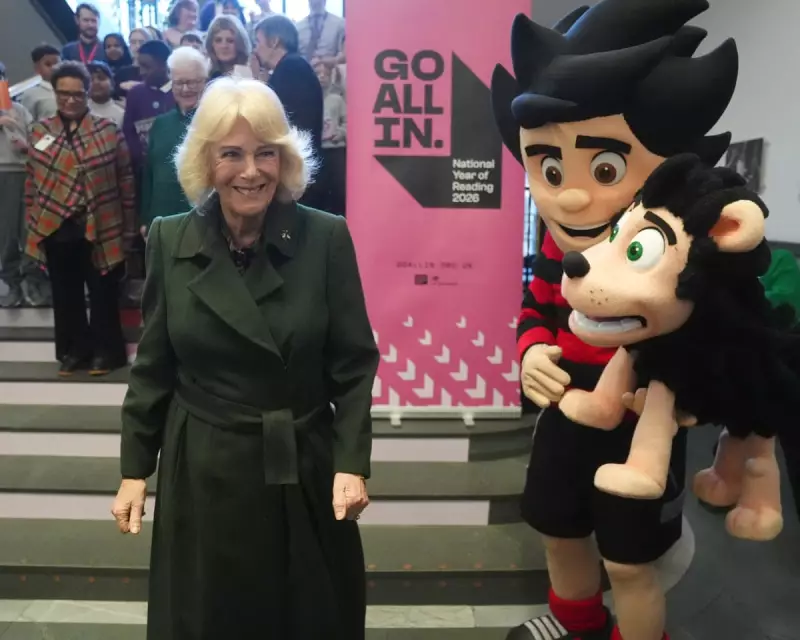
Queen Camilla Makes Surprise Beano Appearance to Boost Reading
In a striking royal endorsement for literacy, Queen Camilla has graced the pages of the iconic British comic, the Beano, sharing a panel with the mischievous Dennis the Menace and his faithful dog, Gnasher. This unexpected collaboration forms part of a broader campaign to encourage reading among young people, with the Queen delivering a clear message: "Comics and audiobooks count too!"
Royal Support for Audio as a Valid Form of Reading
During her animated cameo, Queen Camilla urged Dennis to "go all in" for reading, sparking a wider conversation about what constitutes proper engagement with literature. Her comments come at a time when audiobooks are experiencing a significant surge in popularity across the United Kingdom. Recent data reveals that revenue from audiobooks for UK publishers soared by nearly one-third in the 2023-24 period, underscoring their growing importance within the publishing sector.
Debunking Myths: The Value of Listening to Books
The question of whether listening to an audiobook while performing daily tasks—such as washing dishes, walking the dog, or relaxing before sleep—holds the same value as traditional reading has long been debated. However, experts from the publishing industry and literacy charities are increasingly affirming its merits. Debbie Hicks, Creative Director of the Reading Agency, asserts: "Reading is about the content and not the medium." She advocates for a shift away from outdated hierarchies that privilege print, highlighting that audio can be equally effective for developing comprehension skills and expanding vocabulary.

The benefits of audiobooks are particularly evident for specific groups:
- Individuals with visual impairments or dyslexia
- Those with limited time due to busy schedules
- People who may be less inclined to engage with printed text
Notably, research indicates that while more women than men are traditional readers, a higher percentage of men (33%) listen to audiobooks weekly compared to women (24%), suggesting audio serves as a valuable gateway to storytelling.
Industry Insights: Audio's Rising Centrality
Jon Watt, Chair of the Audio Publishers Group at the Publishers Association, welcomed Queen Camilla's endorsement, pointing to a 2024 National Literacy Trust study. This research found that 37.5% of children and young people reported that listening to audiobooks encouraged them to read more traditionally, while over half (52%) said it helped reduce stress. Watt emphasises: "Listening is a gateway to reading. It inspires a love of storytelling which is absolutely critical in getting children to want to read or listen or engage with a story."
In his role as Audio and Business Development Director at Bonnier Books, Watt observes that audiobooks have become "absolutely critical" to the publishing industry. No longer an afterthought, audio is now considered alongside print and digital formats from the outset of book acquisitions. Evidence of this shift includes:
- An increasing number of titles selling more audio copies than print or digital versions
- Celebrity memoirs now routinely narrated by the authors themselves
- New platforms like Spotify and Spiracle entering the audiobook market
High-profile productions, such as Amazon's Audible release of Pride and Prejudice featuring stars like Marisa Abela and Glenn Close, further illustrate audio's growing prestige.
Authors Embrace Audio-Only Publishing
For some writers, the audio format offers new creative freedoms. Peter Bradshaw, The Guardian's film critic, has published three traditional novels but chose an audio-only route for his latest work, Mercy, a story about a troubled NHS nurse. He pitched the project directly to Audible, with actor Joanna Scanlan as narrator, describing the experience as "an amazingly liberating and exciting experience." Bradshaw reflects that, while he once viewed physical reading as the authentic method, he now recognises that listeners can derive equal engagement and value from audiobooks, potentially signalling a future trend in publishing.

This royal initiative, coupled with expert backing, highlights a transformative moment for literacy and the publishing world, championing inclusivity and innovation in how stories are consumed and enjoyed.