

Tales of the Suburbs Review: An Entertaining Alternative History of Queer Britain
Generations of readers have cherished Armistead Maupin's Tales of the City novels, which chronicle queer life starting in 1976 within the eclectic glamour of San Francisco's Barbary Lane. However, even Maupin eventually shifted settings, with the latest instalment, Mona of the Manor, featuring a key character navigating life in the Cotswolds. Social historian John Grindrod nods to this legacy in his fantastically entertaining alternative history of queer life in Britain, Tales of the Suburbs, which departs from typical city-based narratives to explore LGBTQ+ experiences in suburban areas.
Defining the Suburban Landscape
The suburbs resist easy definition, and Grindrod handles this complexity with a light touch. Sometimes marked by social class, other times by geography, these facets blur into one another. His locations span from London's commuter belt to hamlets, farms, and towns, including the edges of Portsmouth and Hull, pockets of Glasgow and Wilmslow, and a tiny village in Lincolnshire. In one poignant story, a gay builder finds protection from homophobic abuse in a local pub thanks to the darts team.
Grindrod, who grew up in Croydon and now lives with his partner in Milton Keynes, opens the book with an anecdote about the thrill of discovering next-door "gaybours." His deep fascination and personal connection to the subject enable him to weave an intelligent and sensitive collection of stories. He intersperses research from libraries, archives, books, newsletters, and reports with original interviews, creating a work that is as much a political, architectural, and cultural history as it is a social one. For instance, he links the popularity of bay windows to the rebellious Arts and Crafts movement.

Humour and Human Stories
The book is filled with wonderful moments of humour, citing Alan Bennett, Caroline Aherne, and Jack Rooke as the "sharpest observers" of suburban life. Grindrod's writing shares a similar observational flair. In 1985, a young lesbian abandoned her dream of joining the RAF due to bans on homosexuality in the armed forces, opting for a job in a department store instead. "For all of its shortcomings, at least it's not illegal to be a lesbian in Debenhams," he notes, a line that echoes the tragicomedy of Victoria Wood.
Many brief chapters almost double as short stories. One tale involves picking up a dentist at a pub and being introduced to his mother, wife, and young daughter—a wonderfully strange encounter. Another story follows a young woman in rural Somerset whose father comes out to her on his farm and introduces her to patrons of a tiny underground gay club in Taunton, a narrative rich enough to be a novel in its own right.
Historical Depth and Community
Deeply researched chapters offer a form of time travel to scenes of brutal police raids, same-sex soldier sweethearts, and furtive telephone chat lines. The book details protests, prosecutions, and acts of great courage, with the Aids epidemic claiming many lives. It also explores the lasting impact of Section 28, which banned the promotion of homosexuality in schools until its repeal in 2003. These historical currents manifest in abusive graffiti on garage doors, family estrangements, and the strengthening of other bonds.
Community emerges as a vital theme across decades, with group meetings—from goth nights to coffee evenings and even a Bennett-esque "gay treasure hunt in Tunbridge Wells"—empowering individuals as they discover their identities.
A Note of Optimism
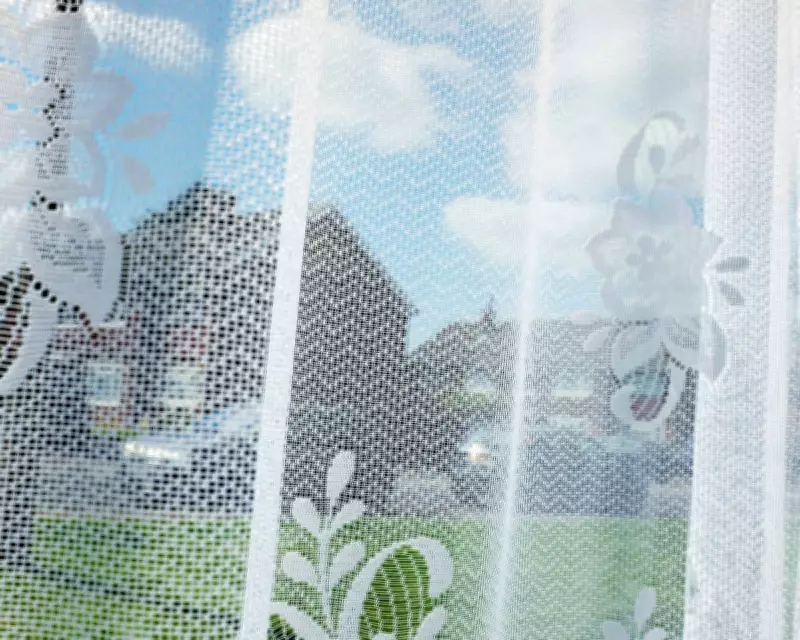
Primarily focusing on queer lives in the 20th century, Grindrod suggests that the 21st century has "completely rewritten" the rules of LGBTQ+ culture, allowing him to end on an optimistic note. Some subjects fled the suburbs as soon as possible, others stayed, some returned to care for sick parents, and some came back simply because it felt like home. In its fondness for the complexities of lives behind—and in front of—those twitching curtains, Tales of the Suburbs is ultimately about what it means to call somewhere home.
Tales of the Suburbs: LGBTQ+ Lives Behind Net Curtains is published by Faber (£18.99).






