Women's Prize for Nonfiction 2026 Longlist Announced
The Women's Prize for Nonfiction has unveiled its 2026 longlist, featuring sixteen distinguished authors competing for the prestigious £30,000 award. This prize, established in 2024, aims to rectify the historical gender imbalance in nonfiction literary awards across the United Kingdom.
Prominent Authors and Diverse Subjects
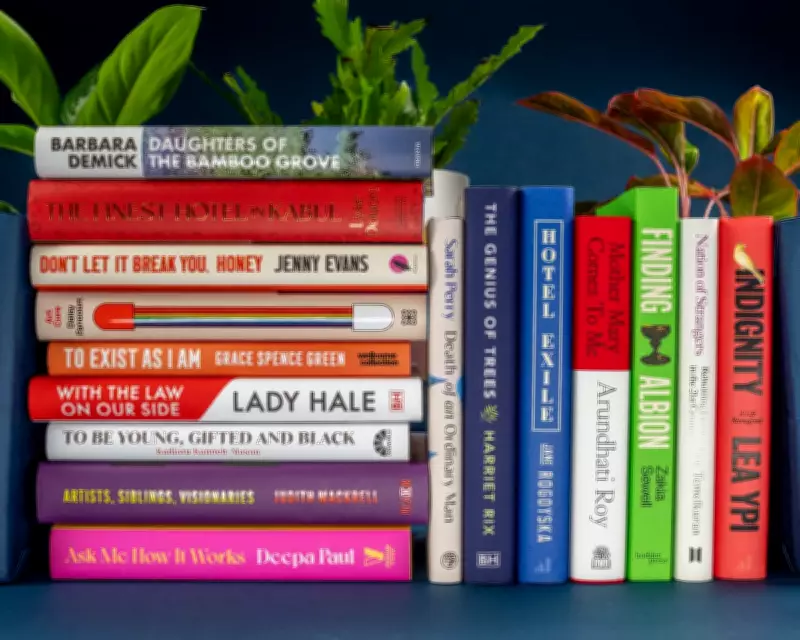
Among the notable names on the longlist are Booker Prize-winning novelist and activist Arundhati Roy, nominated for her debut memoir Mother Mary Comes to Me. British author Sarah Perry is recognized for Death of an Ordinary Man, a poignant meditation on grief and family. Academic Lea Ypi earns a spot with Indignity: A Life Reimagined, blending personal history with political narratives from the Balkans.
The longlist spans a wide array of genres, including politics, memoir, science, art, history, and biography. Seven debut authors are featured, highlighting emerging voices in nonfiction. Chair of judges and Labour peer Thangam Debbonaire praised the selection as "hopeful," noting that it showcases "women writing excellently on a wide range of subjects, each uncovering something new about our world."

Key Titles and Themes
The list includes works that tackle significant historical and contemporary issues:
- Lyse Doucet's The Finest Hotel in Kabul offers a people's history of Afghanistan through the lens of Kabul's InterContinental hotel.
- Barbara Demick's Daughters of the Bamboo Grove explores the human impact of China's one-child policy via the story of separated twins.
- Jane Rogoyska's debut Hotel Exile delves into the wartime history of Paris's Hotel Lutetia, used by German intelligence during World War II.
Social and cultural themes are also prominent, with titles like Lady Hale's With the Law on Our Side, which provides insights into the legal system, and Ece Temelkuran's Nation of Strangers, examining exile and migration. Scientific and artistic contributions include Daisy Fancourt's Art Cure on the health benefits of creativity and Harriet Rix's The Genius of Trees, studying trees' ecological and historical influence.
Addressing Gender Imbalance
The creation of the Women's Prize for Nonfiction was motivated by research revealing that only 35.5% of winners across seven major UK nonfiction awards over the past decade were women. Claire Shanahan, executive director of the Women's Prize Trust, emphasized the importance of diverse perspectives: "Reading and hearing a multiplicity of experiences through nonfiction is vital for learning from the past, challenging injustice, and imagining new futures."
Last year's winner was Dr Rachel Clarke for The Story of a Heart, with Naomi Klein winning the inaugural prize for Doppelganger. The 2026 shortlist of six titles will be announced on March 25, and the winner will be revealed on June 11. The victorious author will receive £30,000 and a limited-edition artwork known as the Charlotte.
Judging Panel and Future Steps
The judging panel, led by Thangam Debbonaire, includes engineer and broadcaster Roma Agrawal, NEOM Wellbeing founder Nicola Elliott, novelist Nina Stibbe, and crown court judge Nicola Williams. Their selection process underscores the prize's commitment to recognizing excellence and diversity in nonfiction writing.