Women's Prize for Fiction 2026 Longlist Showcases Diverse Literary Voices
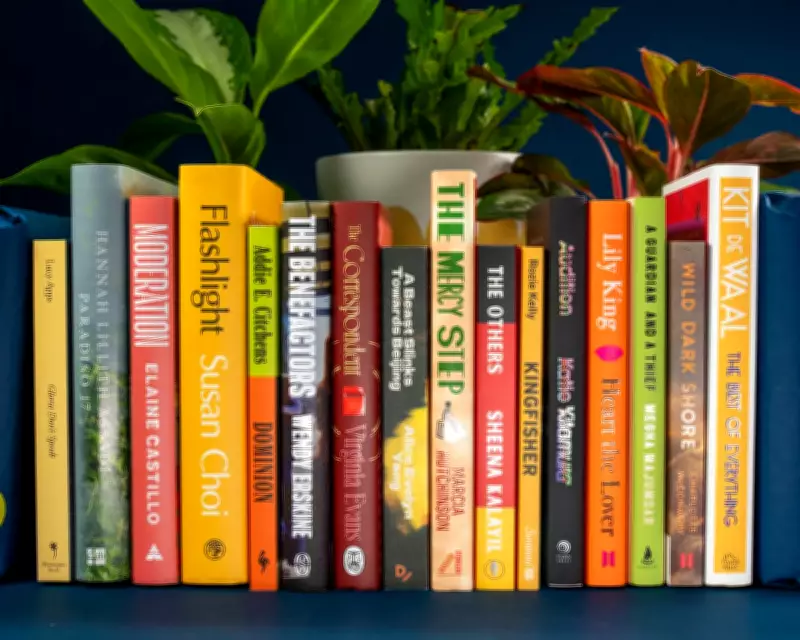
The 2026 Women's Prize for Fiction longlist has been announced, featuring sixteen novels by acclaimed authors such as Susan Choi, Katie Kitamura, Kit de Waal, and Lily King. Now in its 31st year, this prestigious award offers a £30,000 prize and celebrates outstanding women's writing in English, highlighting works that span from climate-ravaged islands to near-future Kolkata.
Notable Authors and Their Works
Susan Choi's Flashlight, a Booker-shortlisted historical family saga, explores generational trauma across North Korea and Indiana, praised for its geopolitical boldness. Katie Kitamura's Audition, also Booker-shortlisted, delves into identity and performance through an actor's life. Kit de Waal returns with The Best of Everything, a poignant tale set in 1970s Birmingham, while Lily King's Heart the Lover follows a campus love story into mid-life with vivid emotion.
Themes of Political and Environmental Turmoil
Many longlisted novels address political upheaval, such as Hannah Lillith Assadi's Paradiso 17, which traces exile from Palestine to New York, and Sheena Kalayil's The Others, set during the fall of the Berlin Wall. Environmental breakdown is central to Charlotte McConaghy's Wild Dark Shore and Megha Majumdar's A Guardian and a Thief, imagining a flooded Kolkata.

Debut Novels and Family Dynamics
Debut authors focus on mothers and children, with Wendy Erskine's The Benefactors examining class tensions in Belfast, and Addie E Citchens' Dominion exploring pressures on Black mothers. Other debuts include Lucy Apps' Gloria Don't Speak about a woman with a learning disability, and Elaine Castillo's Moderation on workplace relationships.
Judging Panel and Ceremony Details
Chaired by former Australian Prime Minister Julia Gillard, the judging panel includes poet Mona Arshi and broadcaster Salma El-Wardany. Gillard praised the longlist for its international scope and exploration of human experiences. A shortlist of six will be announced on April 22, with the winner revealed on June 11 in London, alongside the nonfiction prize winner.
Last year's winner was Yael van der Wouden for The Safekeep, with past recipients including Barbara Kingsolver and Zadie Smith. The longlist features nine titles from independent publishers and seven debuts, underscoring the prize's commitment to diverse and emerging voices in literature.