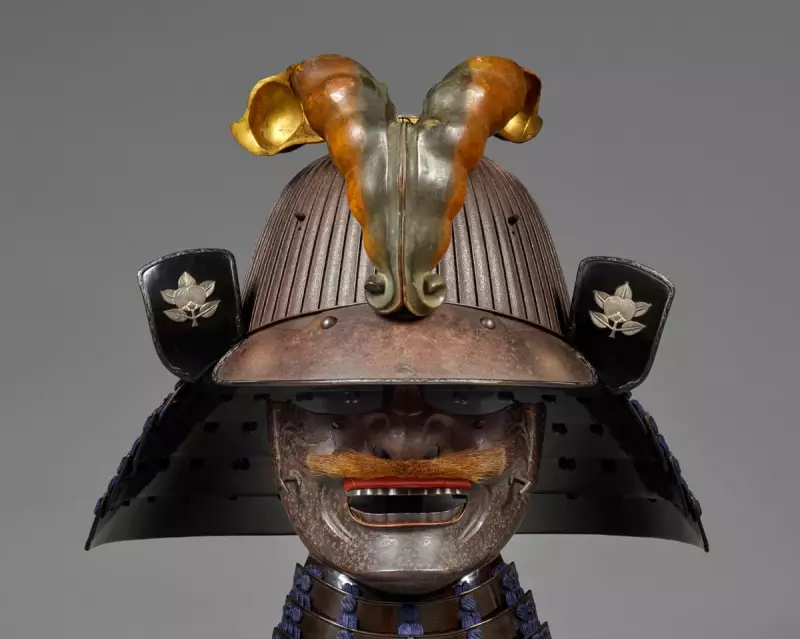
A major exhibition set to open at the British Museum promises to dismantle popular misconceptions about Japan's legendary samurai warriors. Titled simply Samurai, this blockbuster show will present a nuanced view that extends far beyond the armour-clad, sword-wielding figures familiar from cinema and video games.
Beyond the Sword: The Complex Reality of Samurai Life
Opening on 3 February 2026 and running until 4 May 2026, the exhibition will feature more than 280 objects, many never before seen in the UK. Lead curator Rosina Buckland told The Guardian that this ambitious project aims to address widespread misunderstandings about the warrior elite.
"This is the first exhibition to tackle the myths," Buckland stated. "Most previous exhibitions have focused on what I sometimes call the 'boys' toys' – the weapons. Swords are important, but they are by no means the whole story."

The exhibition reveals that much of what modern audiences recognise as "samurai" culture, including the word "samurai" itself, represents a later invention linked to mass media and pop culture rather than historical reality.
Women Warriors and Artistic Pursuits
One of the most significant revelations challenges the hyper-masculine image dominating films and games. The exhibition demonstrates that samurai women were educated, governed territories, and even fought in battles.
Buckland emphasised: "This rediscovery of female samurai history reframes centuries of gendered myth and challenges the hyper-masculine image that still dominates."
Among the remarkable exhibits is a woman's firefighting jacket and hood worn while serving within Edo Castle. Fires occurred so frequently in the wooden city of Edo – modern-day Tokyo – that they were known as "flowers of Edo." High-ranking samurai held responsibility for raising alarms and supervising firefighting operations.
The exhibition also highlights the samurai's artistic and intellectual pursuits during centuries of peace. Displayed works range from botanical studies to a charming cat painting created by a samurai lord's wife, revealing a sophisticated cultural life beyond warfare.
Evolution of an Elite Class
The samurai emerged as early as the 900s, serving as mercenaries for the imperial court. They gained political dominance from the 1100s and, during the prolonged peace beginning in 1615, transformed into government officials, scholars, and arts patrons.
Buckland explained: "What I want to address is the way perception has narrowed to just the male warrior in armour wielding a sword. That's a tiny part of what they were over hundreds of years. There was a balance between the military, the literary, and the artistic."
The British Museum's own substantial Japanese collection, among the largest outside Japan, forms part of the exhibition alongside international loans. Many objects are too delicate for permanent display.
Visitors will encounter a spectacular recently acquired suit of armour featuring a helmet with golden standard shaped like iris leaves. Such suits served as status symbols and were often recycled across generations, with robust sections preserved while more delicate elements like silk sleeves were replaced.
Tickets for Samurai go on sale on Monday 10 November, offering British audiences an unprecedented opportunity to explore the complete story behind one of history's most mythologised warrior classes.