Ovid's Metamorphoses Reimagined: Rijksmuseum Exhibition Blends Ancient Myths with Modern Art
The Rijksmuseum in Amsterdam has unveiled a groundbreaking exhibition titled Metamorphoses, which delves into the enduring legacy of the ancient Roman poet Ovid's epic poem. This ambitious show brings together a diverse array of artworks, spanning from classical masters to contemporary creators, to reinterpret the myths that have captivated artists for over two millennia.
A Fusion of Classical and Contemporary Perspectives
At the heart of the exhibition is a compelling juxtaposition of rarely lent works by iconic artists such as Caravaggio, Bernini, Rodin, and Brâncuși with modern reinterpretations. These pieces explore the often uncomfortable and erotic parables from Ovid's Metamorphoses, where tales of male gods exerting power and the transformation of the powerless unfold. The show features provocative elements, including transgender bodies, bare breasts, and even a volcanic vulva, challenging traditional narratives.
Taco Dibbits, the general director of the Rijksmuseum, emphasises the relevance of these ancient stories in today's rapidly changing world. "The Metamorphoses have inspired artists for over 2,000 years, and the subject is very relevant today, when everything is changing," he states. "It's about the force of nature and giving an explanation to our passions, to our sadness, to our fears. That's what makes it so intensely human."

Highlighting Transformative Artworks
The exhibition showcases several standout pieces that embody themes of metamorphosis:
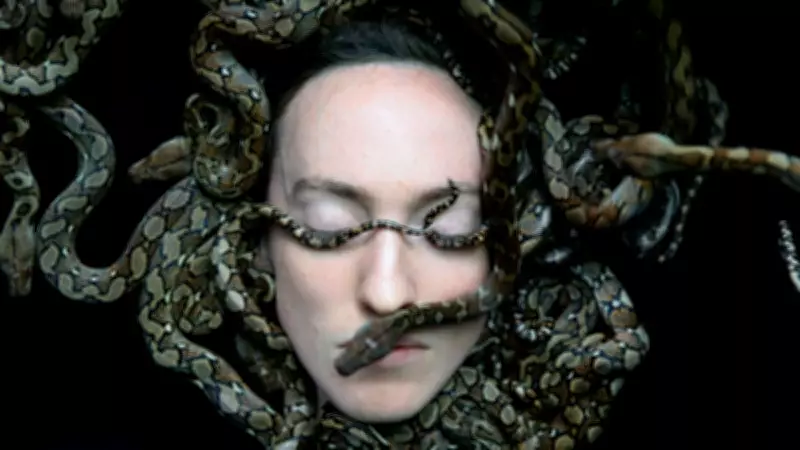
- Juul Kraijer's Medusa: In a darkened room, three massive screens display snakes gliding over the artist's face, portraying a silent yet terrifying Medusa, symbolising the power and fear in Ovid's myths.
- Bernini's Sleeping Hermaphroditus: A rare loan from the Louvre, this 17th-century carving features an ancient Roman sculpture of a hermaphrodite on a lifelike marble mattress, inspired by Ovid's story of merged bodies in sexual union.
- Louise Bourgeois's Spider: The late French-American artist's massive bronze spider statue reimagines the tale of Arachne, who challenged the goddess Minerva and was transformed into a spider.
- Nandipha Mntambo's Jupiter as a Bull: This 2009 bronze sculpture by the South African artist casts Jupiter in a powerful, female form, offering a fresh perspective on the myth.
Addressing Modern Discomfort and Nuance
Frits Scholten, senior curator of sculpture at the Rijksmuseum, acknowledges the modern discomfort with the sexualisation of rape in some of Ovid's stories and the art they inspired. "All these early stories in Ovid were reinterpreted by each generation, and our generation looks at them in a different way," he explains. "We do address the fact that it's often not very friendly to women. At the same time, we say that you have to be nuanced in your view: these were scenes from fantasy, from ancient fairy tales, and they were often symbolic."
Scholten points to a copy of Michelangelo's painting of Leda and the Swan, noting its historical context as a bedchamber piece and its destruction by a French queen who disliked it, highlighting themes of power and censorship.
A Message of Hope and Transformation
Despite the darker elements, Dibbits frames the exhibition as ultimately about hope. "It gives a form to our fears, to the violence change often brings forth, but also the softness and the sweetness of it," he reflects. "Everything undergoes a metamorphosis, but the soul stays. That's the hope: we haven't lost our souls."
The Metamorphoses exhibition at the Rijksmuseum runs from 6 February to 25 May, inviting visitors to explore these timeless tales through a lens that bridges ancient mythology and contemporary artistic expression.