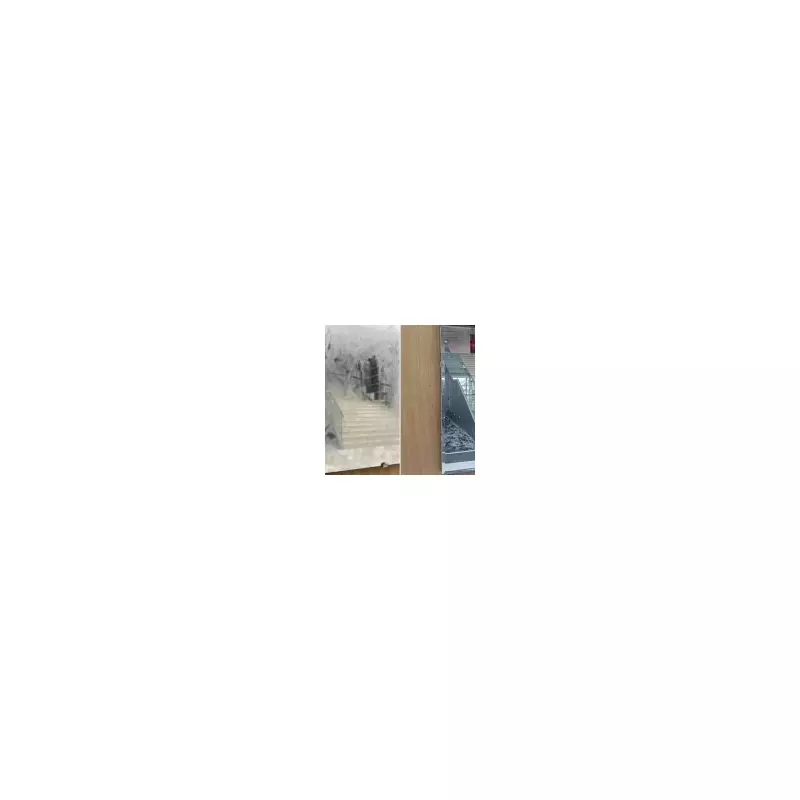
In a bizarre art world mishap, a well-intentioned volunteer at a Taiwanese museum has accidentally ruined a valuable contemporary artwork by attempting to clean it with toilet paper.
The Costly Clean-Up
The incident occurred at the Keelung Museum of Art in Taiwan during their contemporary art exhibition titled We Are Me. The exhibition featured works constructed from building materials and household objects, including a particular piece by artist Chen Sung-chih.
Chen's installation featured a dust-covered mirror mounted on a plain wooden board, intentionally left with a smudge in the middle. This was not an oversight but a deliberate artistic choice, meant to symbolise the cultural consciousness of the middle-class.

The volunteer, however, misinterpreted the artwork's aesthetic. Believing the piece was merely dirty, they took it upon themselves to clean the mirror, removing decades of carefully accumulated dust with toilet paper before colleagues could intervene.
Irreversible Damage and Interpretation
Despite the swift action of museum staff, the damage was already significant. The 40 years of dust was mostly cleaned off, and the artwork could not be fully restored to its original state.
Chen's work was designed to explore themes of memory, ritual, and transformation. By integrating dust-covered mirrors with raw panels, the artist aimed to symbolise disappearance and flux while reflecting on human persistence and change.
In a surprising twist, some critics have suggested that the accidental cleaning has now become part of the artwork's history and narrative. They argue the piece should be left in its newly altered state, incorporating the volunteer's intervention into its story.
Legal and Financial Repercussions
The Keelung Culture and Tourism Bureau has formally apologised to the artist and now faces potential compensation claims for the damage.
However, the legal situation remains complex. Lawyer Tsai Chia-hao has pointed out that simply wiping dust from an artwork may not constitute tangible property damage under the law. This legal technicality could potentially affect the artist's ability to successfully claim compensation for the incident.
The museum now faces the difficult task of reconciling the accidental alteration of an artwork meant to explore the very nature of change and transformation.