Aja Monet: Reclaiming Radical Culture Through Afro-Surrealist Poetry
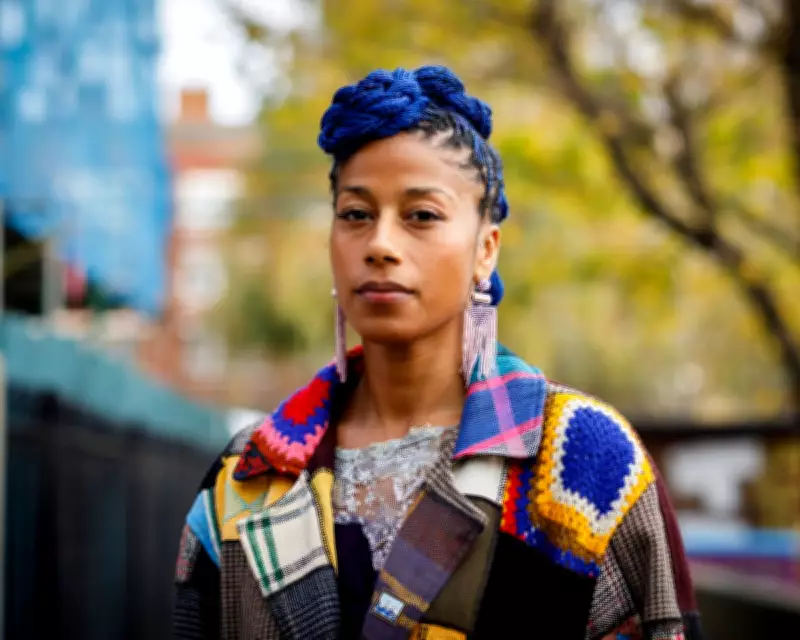
In a London cafe, Aja Monet, the Los Angeles-based artist known for her striking blue braids and profound voice, reflects on her identity as a "surrealist blues poet." Her latest album, The Color of Rain, draws inspiration from surrealism's historical role as a response to fascism, blending experimental jazz with psychedelic rhythms to explore themes of love, resistance, and societal absurdity.
Art as Spiritual Warfare Against Systemic Oppression
Monet's work offers a balm against the suffering inflicted by establishment power, with her poetry and music nominated for awards by organizations like the NAACP. She performed alongside Stevie Wonder at Time magazine's Martin Luther King Day event, showcasing her commitment to civil rights through art. Her upcoming Carnegie Hall show will highlight The Color of Rain, an album that portrays Los Angeles post-wildfires as a surreal apocalyptic landscape in tracks like Hollyweird.
"African people are surreal," Monet asserts. "We move through the world with a surrealist lens, contending with the absurdities of racism and sexism." She cites Afro-surrealism in films like Get Out and movements like the Harlem Renaissance as key influences, arguing that surrealism fosters insurgent consciousness in the face of colonialism's limitations.

Confronting Institutional Exploitation in Culture
As the Barbican's artist in residence, Monet's sold-out London Jazz Festival performance demonstrated her ability to merge disciplines, challenging elitist perceptions of poetry. "Poetry is taught in academia to create division," she explains, viewing culture as a tool for self-determination that is often controlled by institutions and algorithms to manipulate and uphold colonial hierarchies.
Monet criticizes how art forms like hip-hop have been reduced to entertainment under capitalism, focusing on engagement and consumption rather than liberation. Born to Jamaican, Cuban, and Puerto Rican parents, she identifies strongly as Black, noting that systemic issues like police profiling ignore ethnic nuances. "The police saw Black people," she recalls, highlighting her uncle's incarceration as a catalyst for understanding systemic injustice.
Poetry as Ministry and Community Building
At 16, Monet left home and found solace in church communities, where poetry became a form of testimony and ministry. She gravitated toward poetry cafes that openly addressed issues like rape and gender justice, contrasting with mainstream culture's focus on upward mobility. Her work extends globally, addressing conflicts in Sudan, the DRC, and Palestine, inspired by early encounters with poet Tahani Salah.
Beyond her art, Monet works full-time with V-Day, an organization combating violence against women and girls. As artistic creative director, she is developing an audio play for US prisons, finding spiritual and material support in this role. "Love is the core value for pushing back against adversity," she emphasizes, citing her deep friendship with manager Daphne, forged through shared struggles with family health issues and the pharmaceutical industry.
For Monet, poetry provides structure, freedom, and family, shaping her worldview and relationships. "The goal is to be the poem you've been trying to write your whole life," she concludes, with The Color of Rain set for release on May 22, marking another step in her journey of cultural reclamation and resistance.