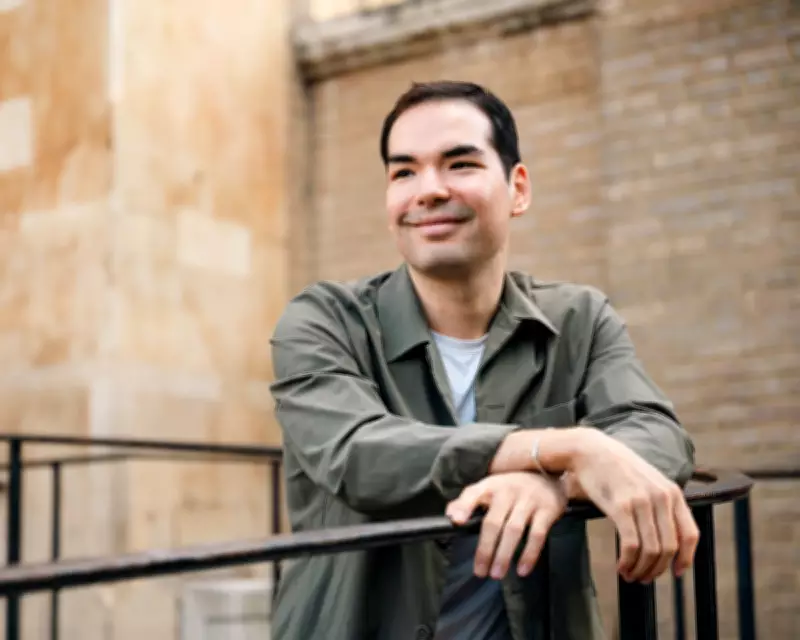
Alim Beisembayev Showcases Romantic Mastery in Cardiff Performance
Kazakh-born pianist Alim Beisembayev, the celebrated winner of the 2021 Leeds International Piano Competition, recently presented a compelling recital at the Royal Welsh College of Music and Drama in Cardiff. His program traced the passionate evolution of Romanticism across three decades, moving from Schubert through Chopin to Liszt with remarkable intimacy and conviction.
Schubert's Moments Musicaux: Calm and Evocative
Beisembayev began with Schubert's Moments Musicaux, D780, adopting a calm and understated approach that highlighted the stark contrast with the Liszt pieces to follow. Utilizing the fine acoustics of the Dora Stoutzker Hall, he created an intimate atmosphere where Schubert's characteristic shifts between major and minor modes became quietly evocative. The two F minor moments—No. 3, with its dance of sadness and insouciance, and No. 5, with more dramatic outbursts—subtly foreshadowed the key of Chopin's Fantaisie, Op. 49.
Chopin's Fantaisie: Melancholy and Precision
In Chopin's Fantaisie, Beisembayev demonstrated a strong affinity for the composer, skillfully shaping the long, arching melodies and capturing their particular melancholy. His performance featured carefully placed chromatic harmonies and glistening, mercurial passagework. With a composed and contained keyboard manner—his austerity countered only by the bling of a lapel brooch—he nevertheless fired volleys of notes with fierce conviction, embodying Schumann's description of Chopin's works as "cannon buried in flowers."

Liszt's Sonata in B Minor: Diabolical and Technical Mastery
The key of F minor provided coherence to the first half of the program, while also, together with Liszt's Sonata in B minor, emphasizing the interval of a diminished fifth, historically perceived as the Diabolus in Musica. The sonata's diabolical element was apparent from the hushed, mysterious opening to the percussive force of its answering phrases, reaching a peak in the virtuosic episodes' general bombardment.
Beisembayev's precise management of Liszt's transitions—from apocalyptic maelstroms to serene melodic spinning, with moments of silence held in the air—showcased that the technical assurance he displayed when winning the Leeds competition at age 23 is now allied with far deeper interpretative insights.
Debussy Encore: A Glimpse into the 20th Century
This growth was further evidenced in his Debussy encore, which tipped over into the 20th century with liquid balm, beautifully delivered. The performance underscored Beisembayev's evolving artistry and his ability to bridge musical eras with grace and power.
Overall, Alim Beisembayev's recital in Cardiff was a masterful exploration of Romanticism, marked by intimate moments and technical brilliance, solidifying his reputation as a pianist of profound interpretative depth.