Bradford's 1 in 12 Club: 45 Years of Anarchic Culture and Resistance
In the early 1980s, Bradford was a city grappling with severe unemployment and economic hardship. Gary Cavanagh, working for the claimants union, recalls a time when people were "thrown on the scrap heap." It was against this grim backdrop that a government report claimed one in twelve dole recipients were defrauding the state—a statistic Cavanagh and his friends found ludicrous. They reclaimed it as an identity, birthing the 1 in 12 Club, a nomadic venue that would become a beacon of community and artistic passion for decades to come.
From Nomadic Beginnings to a Permanent Home
Initially, the club operated in the upstairs rooms of pubs, hosting gigs and leftwing political meetings. It offered affordable access to bands like New Model Army, fostering camaraderie among the unemployed while promoting anarchist principles of self-management, co-operation, and mutual aid. The club's ethos was built on the words liberty, equality, and solidarity, which remain painted on a mural at its permanent home since 1988—a space transformed through two years of voluntary work.
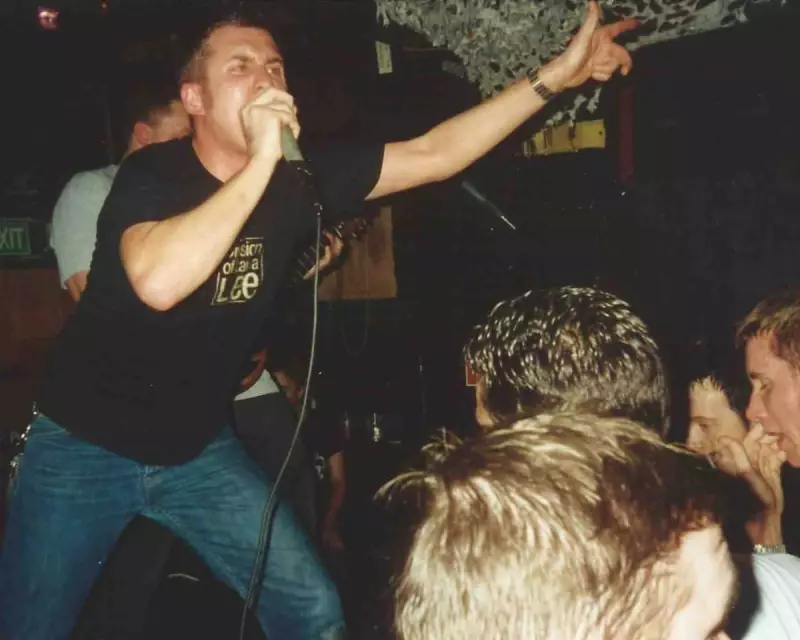
As part of Bradford's year as the 2025 UK City of Culture, a new book and three-part podcast, in collaboration with cultural history organisation Home of Metal, now tell the club's story. Contributions come from members and bands such as Lankum, Chumbawamba, Therapy?, and Neurosis. Alice Nutter of Chumbawamba reminisces about sweaty, intense gigs on a tiny stage, where the atmosphere was electric despite the conditions.

A Space for Inclusivity and Self-Expression
E, a trustee who has frequented the club since his teens, describes it as a unique space where punks, hippies, and others mingled freely. "I'm from a Traveller background but nobody looked at you wrong," he says, highlighting its role as a home from home. The club spans three floors, each adorned with leftist stickers and posters, featuring a cafe, members' bar, games room, and extensive library. Its 90-capacity gig room has hosted legendary acts from Pulp to Bikini Kill, alongside booming raves.
In its early days, the club faced threats from the National Front, but Cavanagh asserts, "We were always fighting fascists." However, politics are not forced on attendees; it's not a "summer school for Marxists." Instead, the club encourages independent thought, with E describing it as an intersectional or leftist space where people can simply be themselves.
Playful Resistance and Creative Freedom
The club's inclusivity is matched by a playful spirit. When Canadian post-hardcore band Fucked Up played in 2008 with the NME in attendance, members staged a protest with a giant cardboard Trojan horse bearing the message "NME Out of Our Scene," which they smashed to bits. This act symbolised the club's independent, volunteer-led nature, sustained by bar income and occasional grants.
Alice Nutter emphasises that the 1 in 12 Club is "more than a venue." She has participated in reading groups, the peasant collective—which provides free communal meals from allotment-grown food—and her partner played on the football team. The bar, she notes, is a place where you can always find good company. Nutter's first play was performed there, thanks to the club's willingness to facilitate creativity. "If you were willing to put the work in, they would give you the keys," she says, contrasting this with the high costs of traditional theatres.
Legacy and Ongoing Battles
Despite recent celebrations, the club mourns the loss of founding member Tony Grogan, described as vital and instrumental. Cavanagh, the sole remaining founder, continues to attend gigs, with his daughter now a member. He reflects on the club's longevity, noting that there is still a need for its cultural resistance, especially as far-right elements become emboldened in Bradford. "It upsets me that we're still fighting the same battles," he admits, but the club remains committed to its founding principles of liberty, equality, and solidarity.

The 1 in 12 Club stands as a testament to the power of community and artistic passion in the face of adversity. For 45 years, it has provided a sanctuary for those seeking connection, creativity, and a fight against injustice, ensuring its story continues to inspire through new media and ongoing activism.