Classical Mixtape Review: Queues and Programming Issues Mar Southbank's Orchestral Extravaganza
The Southbank Centre's ambitious Classical Mixtape event promised a night of musical exploration with six world-class orchestras performing in a live mix-tape format. Audiences were encouraged to roam between venues, creating their own personalised concert experience. However, the reality fell short of expectations, with long queues and uninspired programming significantly detracting from what could have been a groundbreaking evening.
Concept Versus Execution
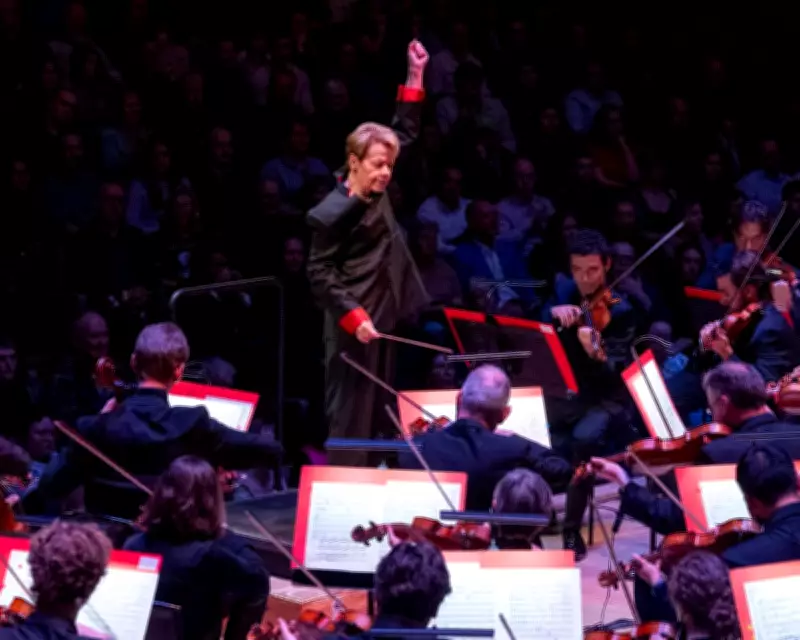
Marketing materials described the event as an opportunity to "hear music in different ways" through a cross-site takeover, allowing attendees to listen again, skip between orchestras, or pause at bars. This innovative approach had proven successful during the centre's summer dance takeover, raising hopes for a fresh perspective on classical music. The evening commenced in the Royal Festival Hall with the London Philharmonic Orchestra delivering a brisk performance of Beethoven's Fifth Symphony, followed by film music from Howard Shore's Lord of the Rings.
Media personality Vogue Williams hosted the opening, though her enthusiastic commentary felt somewhat misplaced given the orchestra's extensive experience with demanding repertoire. Following this, the audience was free to explore four other orchestras performing in smaller Southbank spaces, with each set repeated three times over seventy-five minutes.

Logistical Nightmares and Audience Frustration
The fundamental flaw in planning became immediately apparent. With the Royal Festival Hall at full capacity of 2,700 people, disgorging this crowd into four smaller venues with insufficient combined capacity created inevitable bottlenecks. Attendees found themselves spending more time in queues than enjoying music, with conversations often revolving around whether anyone had actually managed to hear a performance yet.
When audiences did reach the music, the results were mixed. In the Clore Ballroom, members of the Chineke! Junior Orchestra were arranged on individual podiums, performing Margaret Bonds' Montgomery Variations while audiences wandered between players. Some younger musicians appeared uncomfortable in this challenging setup.
Highlights Amid the Chaos
Beneath the Queen Elizabeth Hall, the London Sinfonietta delivered three extracts from Steve Reich works in an industrial space lit like a nightclub, creating a hypnotic atmosphere for those fortunate enough to gain entry. Meanwhile, the Purcell Room hosted players from the Aurora Orchestra on a musical adventure inspired by the Mahlers' Alpine experiences, though few managed to witness this due to capacity constraints.
A particular highlight emerged in the foyer, where the Orchestra of the Age of Enlightenment embraced Bavarian attire and instruments for a Sound of Music medley, complete with beer glass percussion and evident enjoyment. This playful approach demonstrated how classical music can engage audiences in unconventional ways.
Missed Opportunities and Programming Concerns
Comparisons with the Barbican's successful Sound Unbound festival highlighted what might have been achieved. While that event spread music across nineteen venues over an entire weekend, Classical Mixtape curiously left the Queen Elizabeth Hall's 900-seat capacity unused and failed to utilise the Royal Festival Hall's six floors for smaller ensemble performances.
Despite attracting a noticeably younger and more diverse audience than traditional classical concerts, the event ultimately failed to serve them adequately. Unambitious programming combined with poor logistical planning created a dispiriting experience that saw some attendees departing before the Philharmonia's finale performance of Holst's The Planets and the Star Wars theme.
The Classical Mixtape concept contained genuine potential for reinvigorating classical music presentation, but execution flaws transformed what should have been a celebratory jamboree into an exercise in queue management and missed opportunities.