The Symphony of Togetherness: How Classical Music Fights Modern Division
In a world increasingly characterised by individualism and polarisation, one Sheffield musician has highlighted the profound social value of classical music participation. Chris Scarlett, an active member of his local amateur orchestra, has penned a compelling response to James Murphy's recent article celebrating classical music's capacity to bring joy and meaning.
The Orchestra as Collective Experience
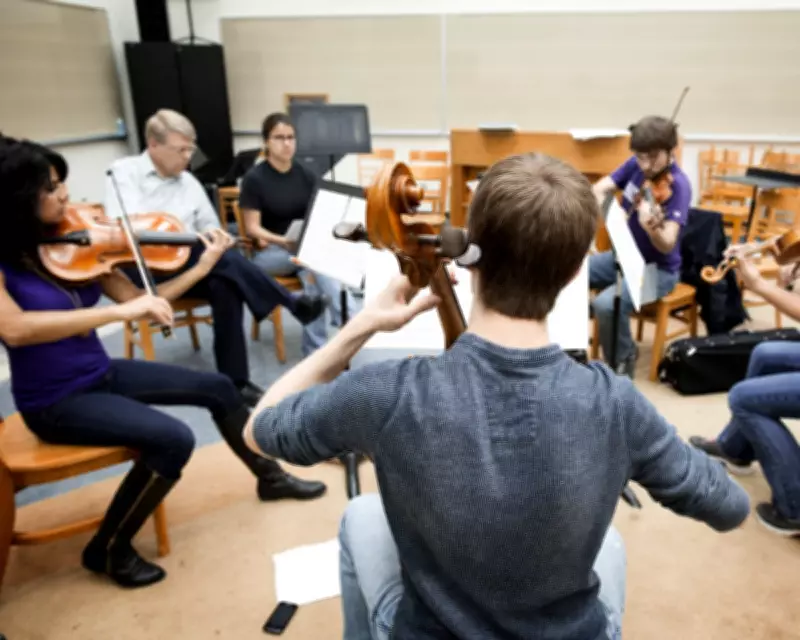
Scarlett writes from the perspective of what he calls "the infantry" - those dedicated amateur musicians who play in and help organise community orchestras. He passionately agrees with Murphy's assertion that striving alongside others to deliver the best possible musical performance fundamentally reinforces our shared humanity and interconnectedness.
"We need each other to play a symphony," Scarlett emphasises, capturing the essential truth of orchestral music. "We have to work together, listen to each other, follow each other, stay connected."

Learning Collaboration Through Music
The amateur orchestra experience teaches participants something increasingly rare in contemporary society: meaningful collaboration. According to Scarlett, this musical endeavour requires participants to temporarily set aside individual ego to become part of a collective "us" rather than remaining isolated "me" figures.
- Musicians must synchronise their timing perfectly
- Different sections must balance their volumes appropriately
- Individual players must follow the conductor's guidance while remaining aware of fellow musicians
- The entire ensemble must work toward a shared artistic vision
Scarlett describes this process as "one of the best collaborative and collective experiences we have available" in modern life. Only through this intricate cooperation does the musical magic truly manifest.
A Social Antidote in Troubled Times
While the connection between classical music participation and global politics might not seem immediately obvious, Scarlett argues persuasively that the skills developed in amateur orchestras provide exactly what our divided world needs most.
The collaborative mindset cultivated through symphonic performance offers what Scarlett terms "a much-needed antidote to the prevailing zeitgeist of 'me first' and divisiveness that is dragging our world to its knees." In an era marked by social fragmentation and political polarisation, the orchestra stands as a powerful model of successful cooperation.
This Sheffield-based perspective reminds us that beyond its artistic and entertainment value, classical music participation serves as vital social glue - teaching listening, cooperation, and mutual respect through the shared endeavour of creating beautiful music together.