The Resurgence of Dutch 'Ludiek' Playfulness in Modern Music
Imagine Amsterdam's noisy city center transforming into chocolate, with children gleefully devouring the sweet architecture before it melts away as you board a train from Amsterdam Lelylaan to Haarlemmermeer. This whimsical scenario forms the core of Amsterdam is opeens van chocolade ("Amsterdam is suddenly chocolate"), a song by emerging alt-pop musician Thor Kissing that exemplifies the cheeky, rebellious spirit of Dutch ludiek (playfulness) experiencing a contemporary revival.
The New Dutch Naivety Project
Kissing stands at the center of a groundbreaking musical initiative called Nieuwe Nederlandse Naïviteit (New Dutch Naivety), which seeks to redefine what ludiek means in the 21st century. The project has produced two compilation albums featuring diverse contemporary Dutch-language alternative pop artists. The first volume launched in October 2024 at a minimalist youth center in Zaandam's outskirts, while volume two is scheduled for release this March in Amsterdam's trendy districts.
The musical styles on these compilations range dramatically from glitchy electronic pop to 1990s alternative rock and atmospheric post-punk reminiscent of The Cure. Flemish voice artist Lila Maria de Coninck, who performed at the 2024 launch and appears on the latest compilation as part of duo Welnu, praises the music's "playfulness and imagination" that "challenges how music and language should sound and function." She highlights artists like Niek Hilkmann, Miriam Hochberg, and Joris Anne who create vibrant autodidact worlds on pop's fringes.

Simple Songs with Complex Messages
Many tracks embrace straightforward, direct character while maintaining a resilient, "bounce-back" quality even during introspective moments. The philosophical spirit of footballer Johan Cruyff's famous riddle Elk nadeel heb z'n voordeel ("Every disadvantage has its advantage") echoes through works like Domtuig and Lucky Fonz III's alternative gabber anthem Allen verloren (begin opnieuw) ("All lost, start over") and Zaandam band Tupperwr3's Amsterdam.
The latter offers a gently satirical tribute to a city with efficient transport networks, highly educated residents, and restaurant menus featuring "pictures of the meals by each dish!" This perspective counters prevailing narratives of Amsterdam as overcrowded and prohibitively expensive.
Historical Roots and Contemporary Expression
The ludiek concept traces its origins to Dutch academic Johan Huizinga's 1938 work Homo Ludens, which identified play as fundamental to human social development. The concept gained prominence during the 1960s through the anarchist Provo protest movement, subsequently challenging mainstream Dutch society through art, performance, and television programming like absurdist show Jiskefet and children's program Erwassus, which reinterpreted fairy tales through gabber culture.
Unlike similar European movements like Monty Python or dada that often carried stronger political critiques, Dutch ludiek typically presents a jaunty, versatile playfulness that proposes more inclusive, agreeable ways of living.
The Vision Behind the Movement
Project organizer Joost Weemhoff, a charismatic educator in his 50s who works with "tough teenagers" in pre-vocational secondary education and sings with Tupperwr3, describes growing up in the "dirty, noisy and smelly" Amsterdam of the early 1980s during the punk explosion. What resonated most was the punk rallying cry: Wij maken onze eigen wereld ("We're gonna make our own world").
While most participating artists are young, white, middle-class progressives, they deliberately engage with elements that don't fit into the Netherlands' increasingly homogeneous cultural landscape. Weemhoff identifies an eclecticism in their work that promotes broader concepts of autonomy and freedom, while specifically challenging "behavior standards" and the "masculine pretentiousness" he perceives as pervasive in the Dutch music industry.

Language and Cultural Identity
Weemhoff emphasizes the project's "modest and democratic" nature, acknowledging its strong Dutch Protestant character while noting he's earned "not one penny" from the enterprise. This Protestant influence connects to the Dutch social propriety maxim: Doe maar gewoon, wees maar gewoon jezelf ("Just act normal, just be yourself"), which suggests singing in Dutch represents authenticity rather than limitation.
"Why must you sing in English nowadays?" Weemhoff questions, critiquing what he sees as an unspoken "gratitude to our American liberators" within the Netherlands' pop music scene, enhanced by ongoing enthusiasm for Anglo-American trends. "If you sing in Dutch, you have to be poetic, like Boudewijn de Groot, or sentimental, or vulgar," he observes. "But your music wasn't ever going to be 'really cool' or international, like the British or Americans."
Uncool Rules and Everyday Themes
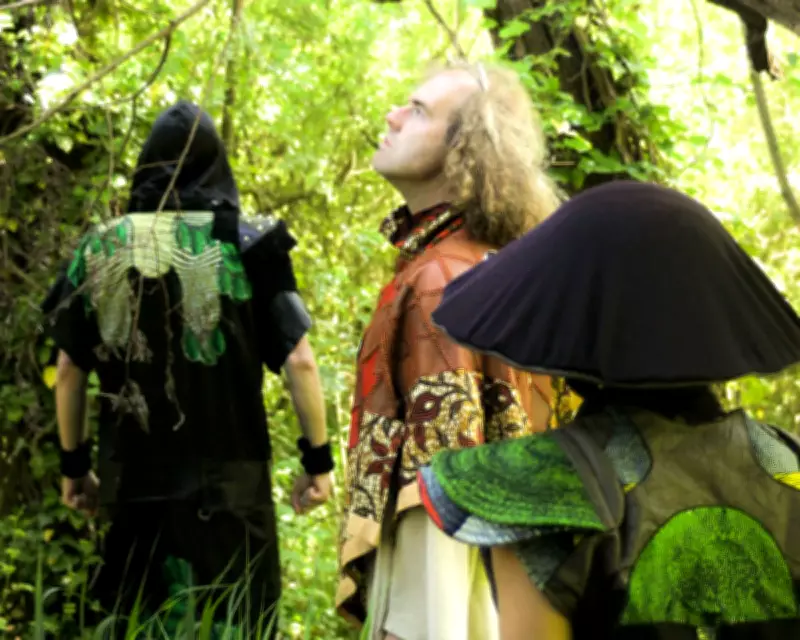
Today, "uncool" appears to be gaining traction. Buurtbeheer's esoteric singer Jacco Weener, typically clad in a homemade "magic robe," exhorts young peers to "respect our veterans!" Kwartet Niek Hilkmann sings about challenges maintaining public allotments. Other artists reference mundane aspects of daily life: dreary weather, workplace coffee breaks, or, in Miriam Hochberg's splenetic track Antirookbeleid ("No-smoking policy"), increasing frustration with public smoking restrictions.
Promotional materials sometimes feature disappearing Dutch street-life symbols like the snoep- en tabakswinkel (sweet and cigarette shop) or local Chinese takeaways, raising questions about whether this music expresses discontented nostalgia.
Progressive Rebellion
While subject matter occasionally echoes the sentiment Vroeger was alles beter ("Everything was better before")—a phrase sometimes associated with right-leaning protests about government accountability, farmers' rights, and asylum seekers—Weemhoff insists some things genuinely were better, particularly those reflecting a more tolerant, progressive society.
Recalling his 1990s primary school teaching experience, Weemhoff laments the gradual disappearance of broad education encompassing crafts, arts, and social responsibility: "Now, none of this remains: just subjects geared towards getting grades." He perceives the Netherlands as having become steenrijk ("filthy rich") yet increasingly intolerant, hoping the New Dutch Naivety project can redirect Dutch rebelliousness toward progressive ends.
Jacco Weener's magic robe and sloganeering directly reference Robert Jasper Grootveld's Provo shock actions from the early 1960s. At the album launch, a boy named Teuntje in a skeleton suit sang "You've got cancer in your legs because of nuclear weapons" over his parents' band Kunsttranen's ("Art tears") melancholic soundtrack. The performance embodied modern ludiek: simultaneously daft, Dutch, naive, and daring, serving as a touchstone for more expressive, questioning, and inclusive individualism.